Post by : Saif
Al-Najjar
In a significant announcement, President Donald Trump declared that the United States intends to acquire between 30 and 50 million barrels of oil from Venezuela at current market prices. The revenue generated from this oil transaction is aimed at benefiting both American and Venezuelan citizens. This news emerges amidst heightened tensions following a U.S. military operation that resulted in the capture of Venezuelan President Nicolás Maduro, who now faces drug charges in the U.S.
This announcement has garnered international attention because it intertwines energy resources, military actions, and political changes within one of the world's most oil-rich countries. Venezuela has been grappling with an economic crisis, fuel shortages, and political unrest, despite possessing enormous oil reserves. Trump's remarks suggest a desire for Washington to play a direct role in reshaping Venezuela's future, particularly regarding its energy sector.
On Tuesday, updates from Venezuelan officials indicated that at least 24 security personnel were killed during the U.S. military operation, with later numbers revising that figure to a minimum of 56 fatalities. Venezuela's attorney general has assigned three prosecutors to investigate these fatalities, labeling the operation a potential war crime. Such assertions elucidate the contentious nature of U.S. actions, both domestically and across the globe.
With Maduro's capture, control has shifted to Delcy Rodriguez, the former foreign minister and now acting president. Although Rodriguez is known to U.S. officials, her new position puts her in the spotlight amid a national crisis. She has vehemently rebutted Trump's comments, disregarding warnings about potential consequences if she disregards U.S. demands.
Trump's administration has made it clear that it seeks to invite American corporations to tap into Venezuela's oil resources. He emphasizes that U.S. expertise is essential to revive the country's faltering oil industry. To this end, the White House is arranging a meeting with major U.S. oil company executives, including representatives from Exxon, Chevron, and ConocoPhillips, to deliberate on prospective involvement in Venezuela's energy sector.
This oil agreement may benefit the U.S. by enhancing energy supplies and decreasing reliance on other foreign sources. However, the situation for Venezuela is considerably more intricate. While foreign investment might assist in revitalizing oil production, many Venezuelans harbor fears about relinquishing control over their most cherished national asset. Years of sanctions, mismanagement, and widespread corruption have already eroded the industry, fostering skepticism about foreign commitments.
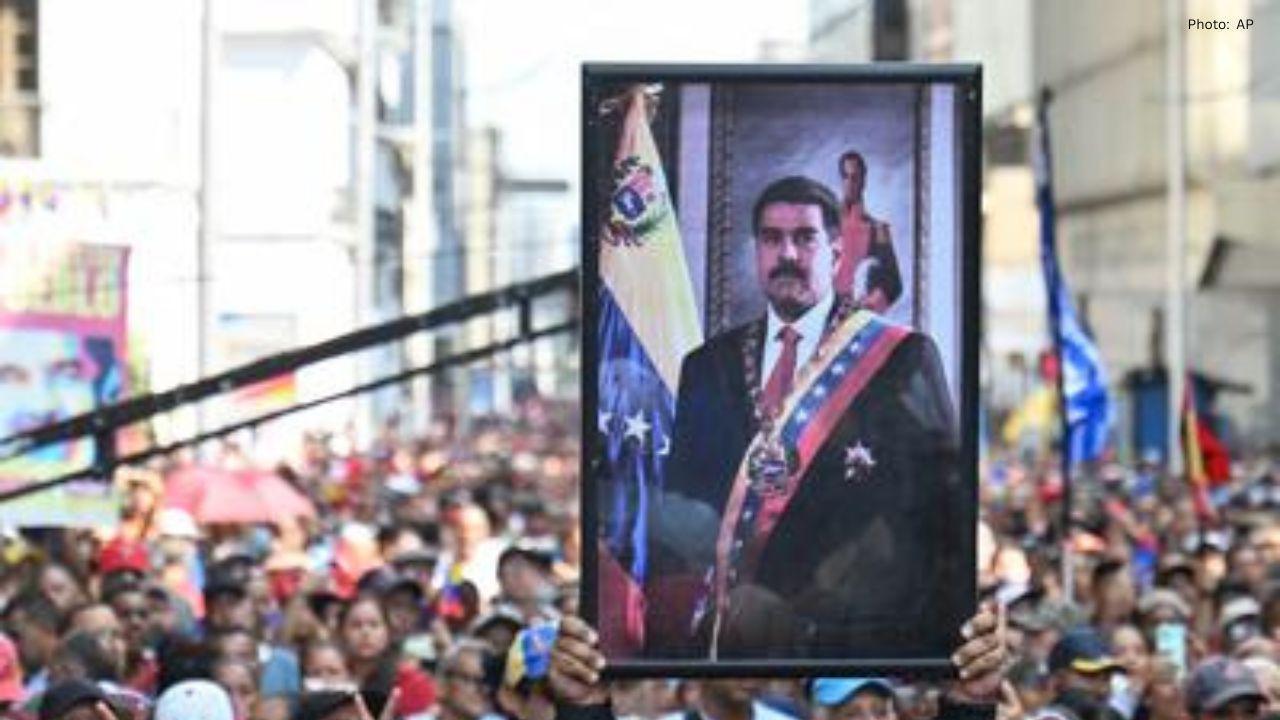
In Venezuela, the news of Maduro's capture has spurred protests and public outrage. His supporters have converged in Caracas, with large women-led marches demanding his reinstatement. Government backers have participated in public gatherings to demonstrate solidarity, although the nation remains considerably fractured. Some citizens are hopeful that these changes might alleviate poverty and shortages, while others perceive U.S. actions as infringements on national sovereignty.
From an analytical standpoint, this situation raises critical questions about the application of military force to drive political changes. Although improving the living conditions for Venezuelans is vital, enduring stability cannot be ensured solely through pressure. Historical patterns show that external interventions frequently lead to prolonged instability rather than peace.
While the proposed oil arrangement may result in short-term economic gains, it fails to tackle more profound concerns such as weak governance, lack of political trust, and societal fractures. Any genuine recovery in Venezuela demands transparent governance, adherence to the rule of law, and solutions that are primarily based on the aspirations of the Venezuelan people.
Trump's declaration signals a pivotal moment in U.S.-Venezuela relations. The outcomes of this situation, whether they lead to restoration or continued conflict, will hinge on how power dynamics are navigated moving forward. It is essential that Venezuela's future be shaped not only by military might or oil agreements, but by a process that genuinely reflects the will and welfare of its citizens.


 English