Post by : Mariam
Al-Faris
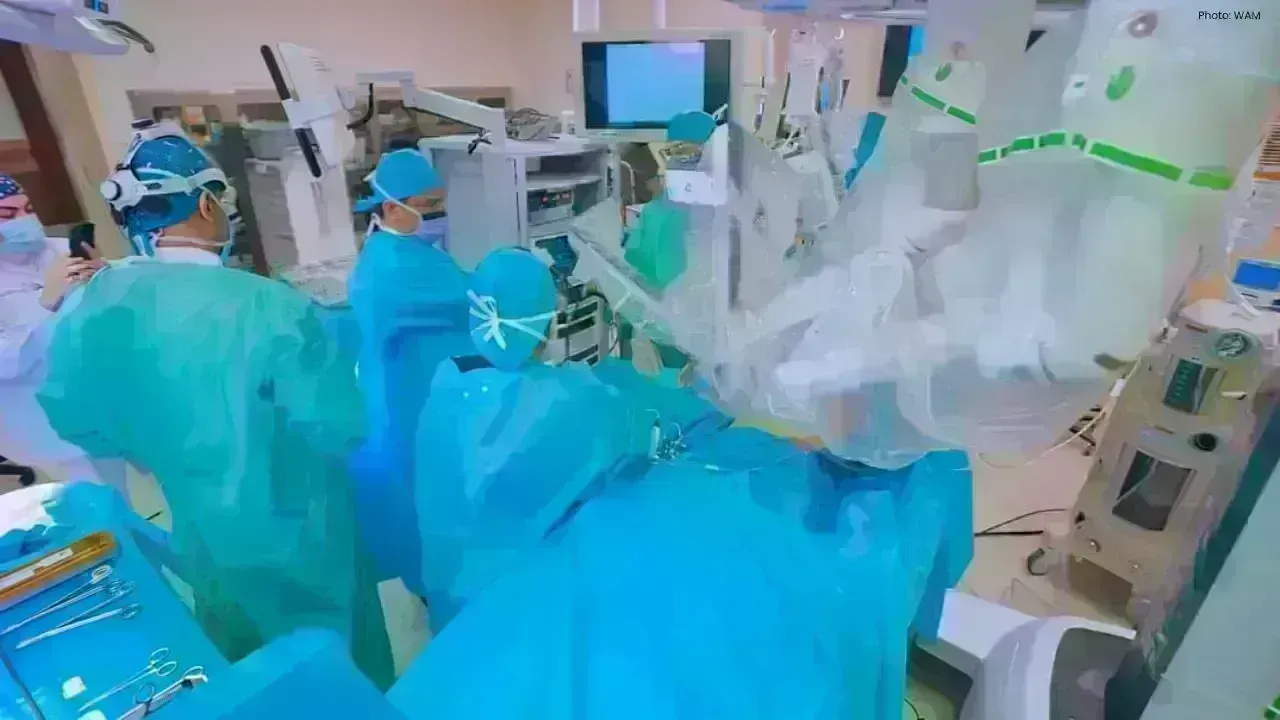
The UAE health sector achieved remarkable progress in 2025, marking a major step forward in strengthening the country’s healthcare system and its global reputation for medical excellence. These achievements covered diagnostics, treatment, research, public health, and healthcare legislation, reflecting the UAE’s long-term vision to protect community health and improve quality of life.
This progress was driven by strong national strategies focused on modern infrastructure, skilled healthcare professionals, global partnerships, and forward-looking policies. As part of this effort, the UAE Cabinet approved the National Policy for Combating Health Risks and restructured the UAE Health Council and the National Public Health Committee to improve coordination and preparedness.
A major legislative development came with the issuance of a Federal Decree-Law amending regulations related to organ and tissue donation and transplantation. The updated law aligns with international health standards and allows advanced treatment options such as animal-derived or manufactured organs under strict medical controls, ensuring patient safety and preventing unsafe practices.
Several infrastructure and investment projects also highlighted the year. Health insurance coverage was approved for Fujairah Government employees, while Abu Dhabi inaugurated a regional vaccine distribution centre. Dubai Healthcare City announced a AED 1.3 billion expansion plan that includes a new medical complex. In Sharjah, three new pharmaceutical manufacturing facilities were announced with investments exceeding AED 308 million, boosting local drug production.
The UAE strengthened its position in advanced diagnostics through a joint project involving NYU Abu Dhabi, Yas Clinic–Khalifa City, and the Abu Dhabi Stem Cells Centre. This initiative introduced AI-supported MRI analysis into clinical testing. Additionally, plans were announced to establish the Middle East’s first heavy-ion cancer therapy centre, offering one of the most precise radiation treatments available.
Public health also saw major progress. The Ministry of Health and Prevention completed over 95 percent of the National Health Survey and most of the National Nutrition Survey. Updated scientific guidelines were released for the National Tuberculosis Control Programme to strengthen disease prevention.
UAE healthcare institutions gained global recognition. Emirates Health Services received international accreditation for its Diabetes Clinical Care Programme, becoming the world’s largest accredited diabetes care network. The organisation also became the largest CARF-accredited rehabilitation provider in the region and won four global awards.
Internationally, the UAE ranked first in health awareness and community engagement. The Hayat programme recorded more than 2,034 organ transplants and trained over 10,000 specialists, while the country also expanded global efforts to prevent chronic diseases through advanced research initiatives.


 English