Post by : Saif
Al-Najjar
The United States has intensified its crackdown on Venezuela by capturing two oil tankers in the Atlantic, one of which was sailing under a Russian flag. This significant move aligns with President Donald Trump’s vigorous strategy to control oil distribution in the Americas and reshape Venezuela’s energy sector in alignment with US interests. The decision has triggered a ripple effect across global energy markets, raising alarms among major international players.
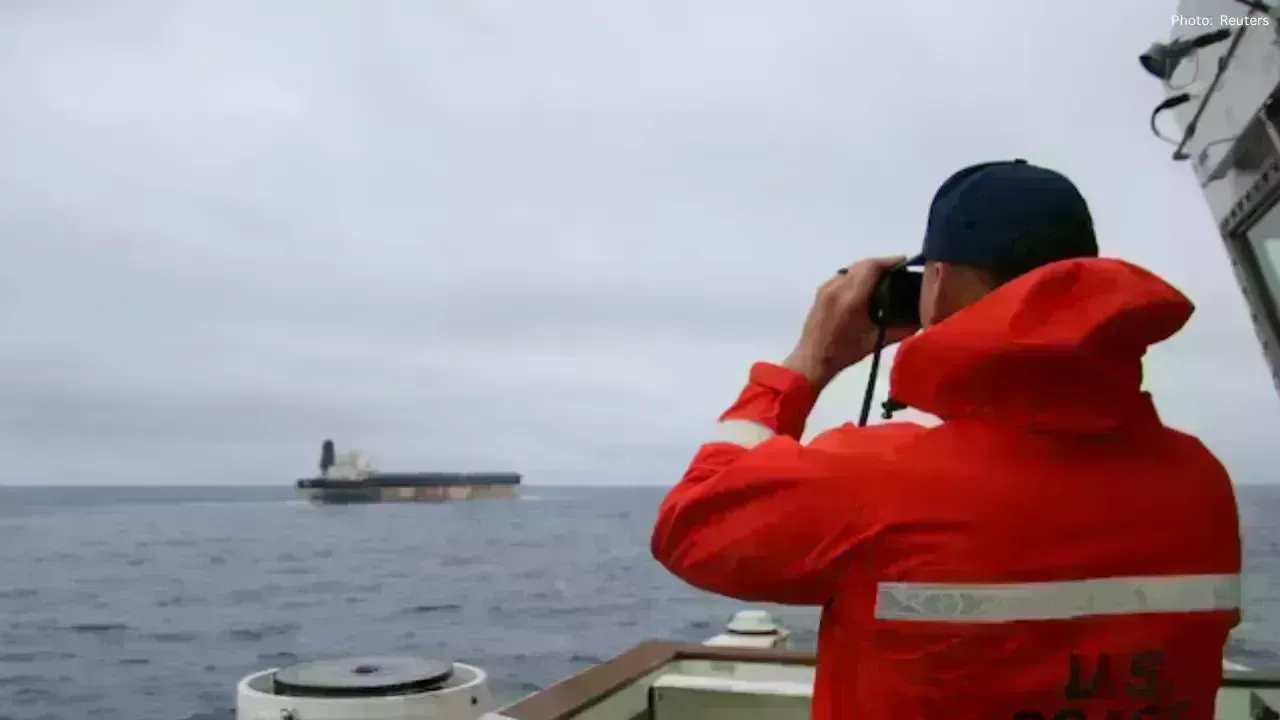
US military special forces, along with the Coast Guard, successfully intercepted the Marinera, formerly known as Bella-1, after a prolonged chase in the Atlantic. This tanker had previously resisted boarding attempts and later reflagged as Russian to evade US sanctions, according to US officials. Though the vessel wasn’t carrying oil at the time of seizure, Washington claims it was integrated into a covert network transporting banned crude oil.
Simultaneously, another tanker, the M Sophia, fully laden with Venezuelan oil and under the Panamanian flag, was seized on the same day. This marked the fourth such capture in a span of weeks, underscoring the US commitment to enforcing sanctions and managing maritime transport linked to Venezuela’s oil sector.
These actions come just days after a notable US military operation in Caracas led to the apprehension of Venezuelan President Nicolas Maduro. The US accuses Maduro of drug trafficking and collaborating with hostile nations, charges he has publicly denied while maintaining his innocence in a US court. His arrest has fundamentally shifted Venezuela's political landscape and amplified international discussions.
The Trump administration indicates that Venezuelan oil exports will now be permitted solely if they adhere to US legal and security stipulations. Concurrently, the White House has suggested selective easing of some sanctions implemented during Trump’s initial term, aiming to rejuvenate Venezuela’s oil sector while facilitating opportunities for American companies.
President Trump has openly declared plans to refine and commercialize up to 50 million barrels of Venezuelan oil under sanctions, asserting that the proceeds will be utilized by Venezuela to purchase American products including food and medicine. Critics describe this strategy as a form of economic imperialism.
The capture of a Russian-flagged tanker has sparked concerns of a broader confrontation with Russia, which has been vocal in condemning US actions in Venezuela. Meanwhile, China, Venezuela's major oil buyer, has reacted strongly, accusing Washington of coercion and overreach.
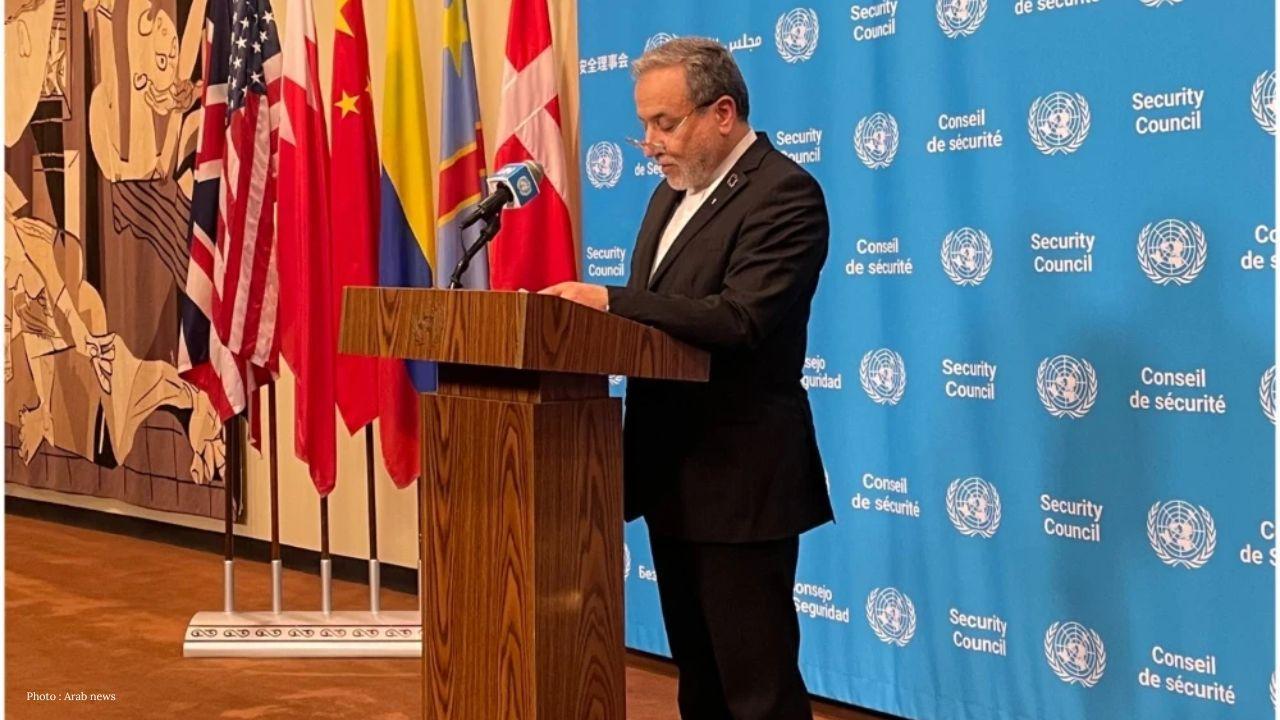
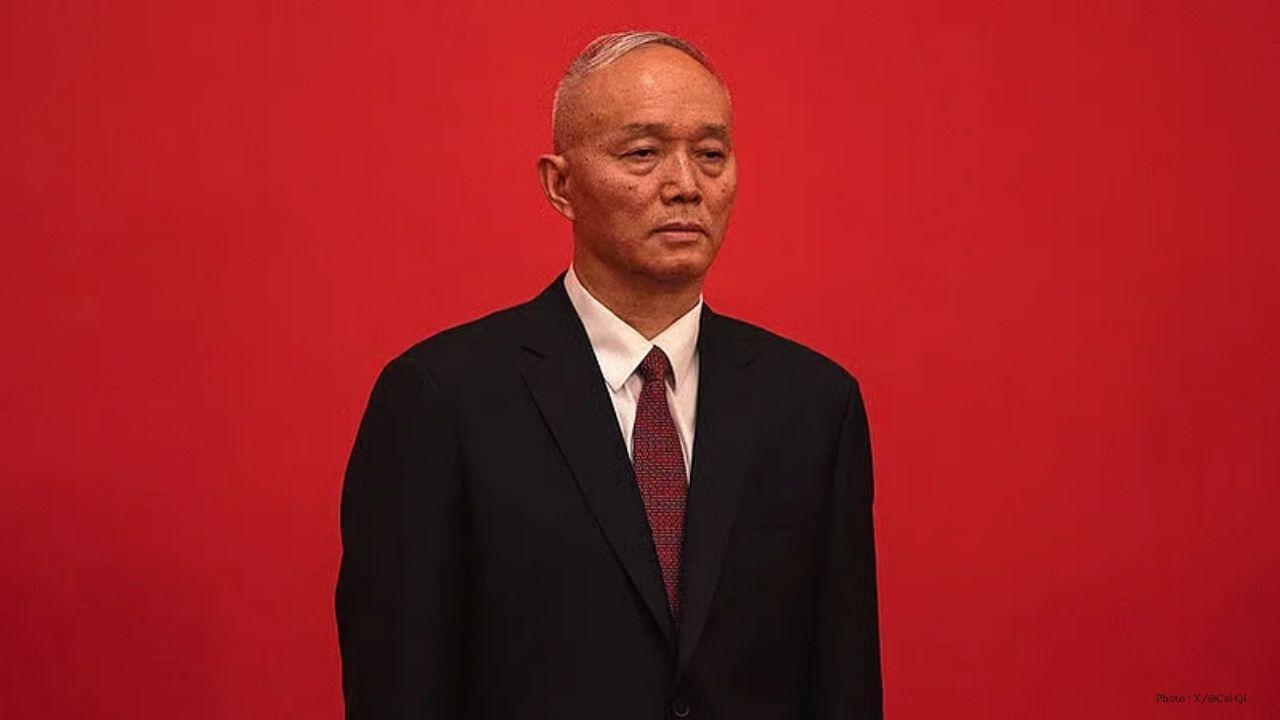
Chinese officials have asserted that the US has no jurisdiction over how Venezuela manages its oil affairs, cautioning that forceful control over energy resources is setting a perilous precedent. Russia, China, and various left-leaning governments have also cast a spotlight on the US’s actions against a sitting president, arguing that such actions threaten international norms and may lead to geopolitical instability.
In the United States, this controversial policy has ignited vigorous political discourse. While senior officials have provided closed-door updates to Congress, some lawmakers expressed significant concern, with Democratic leaders accusing the administration of seeking to dominate Venezuela through its oil, cautioning that this could invite long-term upheaval and conflict.
Following these developments, global oil prices saw a decline as the markets reacted to the potential influx of oil supplies. Experts warn, however, that Venezuela’s oil infrastructure has suffered severely from years of mismanagement, indicating that recovery will be a protracted endeavor. US oil companies are exhibiting caution, demanding strong assurances before investing in Venezuelan projects.
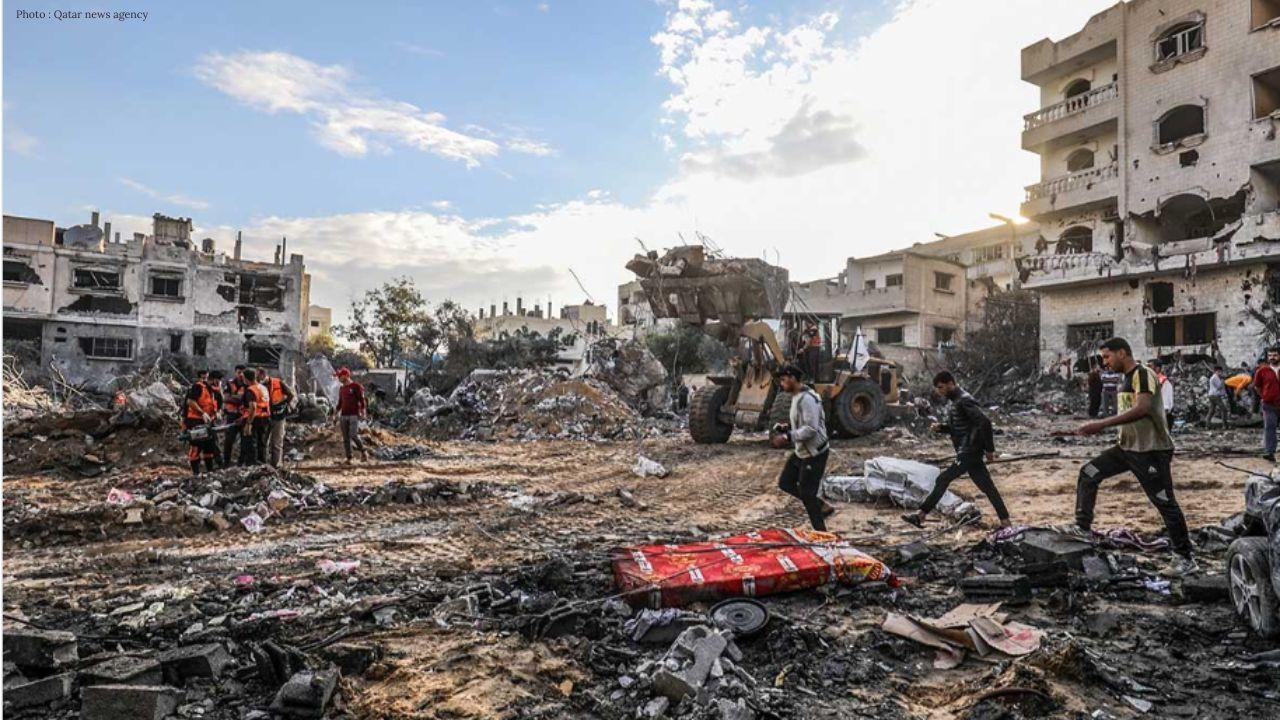
In the meantime, Venezuela remains politically fractured. Reports suggest numerous casualties during the US operation leading to Maduro’s arrest. Maduro's political faction continues to wield significant influence, while Acting President Delcy Rodriguez seeks to manage popular discontent alongside negotiations for a potential oil arrangement with the US.
The state-owned oil company PDVSA has affirmed ongoing discussions with the US, stressing that any resulting agreement must be legal, transparent, and equitable. Rodriguez has indicated Venezuela’s openness to energy collaboration, which may suggest that, despite prevailing tensions, both nations are possibly approaching a new yet precarious relationship.
The seizure of these oil tankers signifies a pivotal shift in global energy dynamics. The US is moving beyond solely relying on sanctions and diplomatic measures, now employing direct intervention to determine who can sell oil and where it can be directed. Proponents argue that this aligns with American interests, while detractors caution that it may lead to broader instability.
Ultimately, oil remains an influential instrument in international affairs. The developments surrounding Venezuela illustrate the intricate connection between energy resources, military action, and diplomacy. The results of this strategy may not only define Venezuela's future but also reshape the very nature of power relations in the global energy market.


 English