Post by : Saif
Al-Najjar
The Iranian military presence near pivotal Gulf waterways has sparked fears regarding the stability of the region and the safeguarding of global energy supplies. Recent maneuvers involving Tehran, Washington, and Jerusalem have plunged the Middle East into a fresh period of unpredictability, drawing the watchful eyes of governments worldwide. Increased military exchanges, security threats, and heightened tensions surrounding key shipping routes have fueled anxieties that the situation could spiral out, influencing both regional tranquility and the global economy.
These developments emerge as the Middle East grapples with ongoing security dilemmas. The longstanding rift between Iran and Israel has frequently led to volatile scenarios over the years. Current disturbances are exacerbated by the engagement of major global powers, all while apprehensions grow that further incidents might ignite a wider conflict.
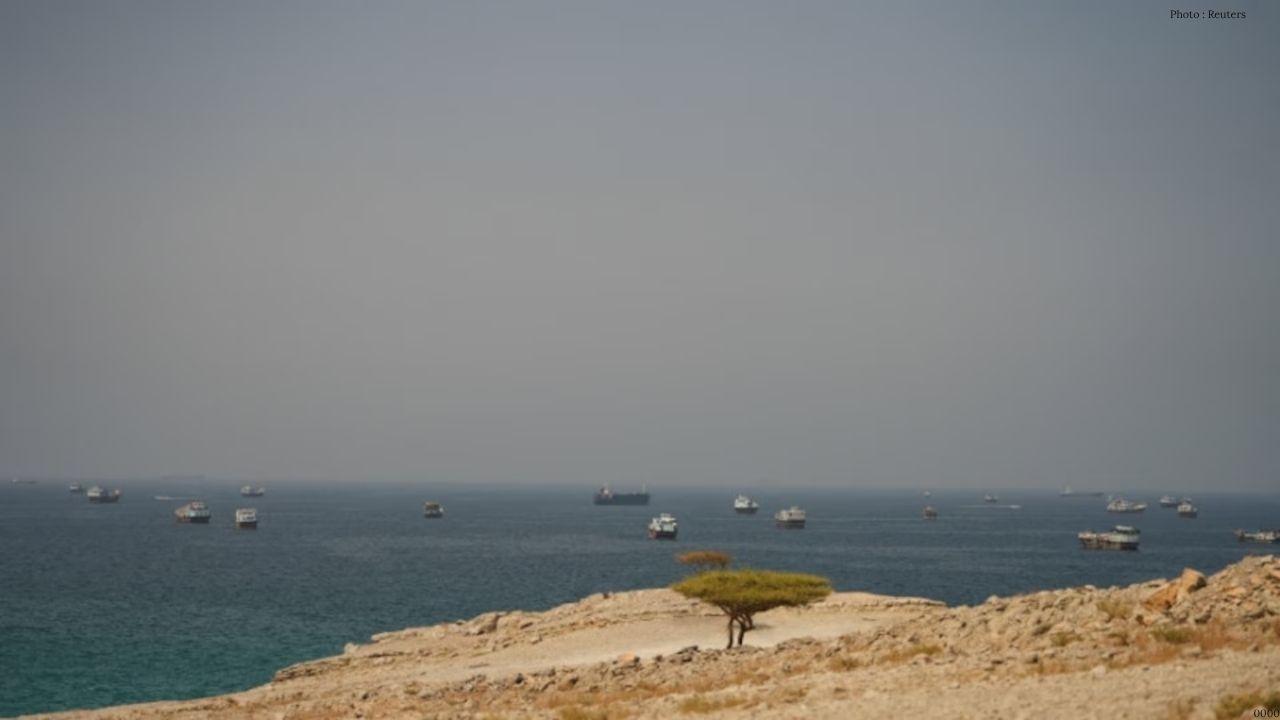
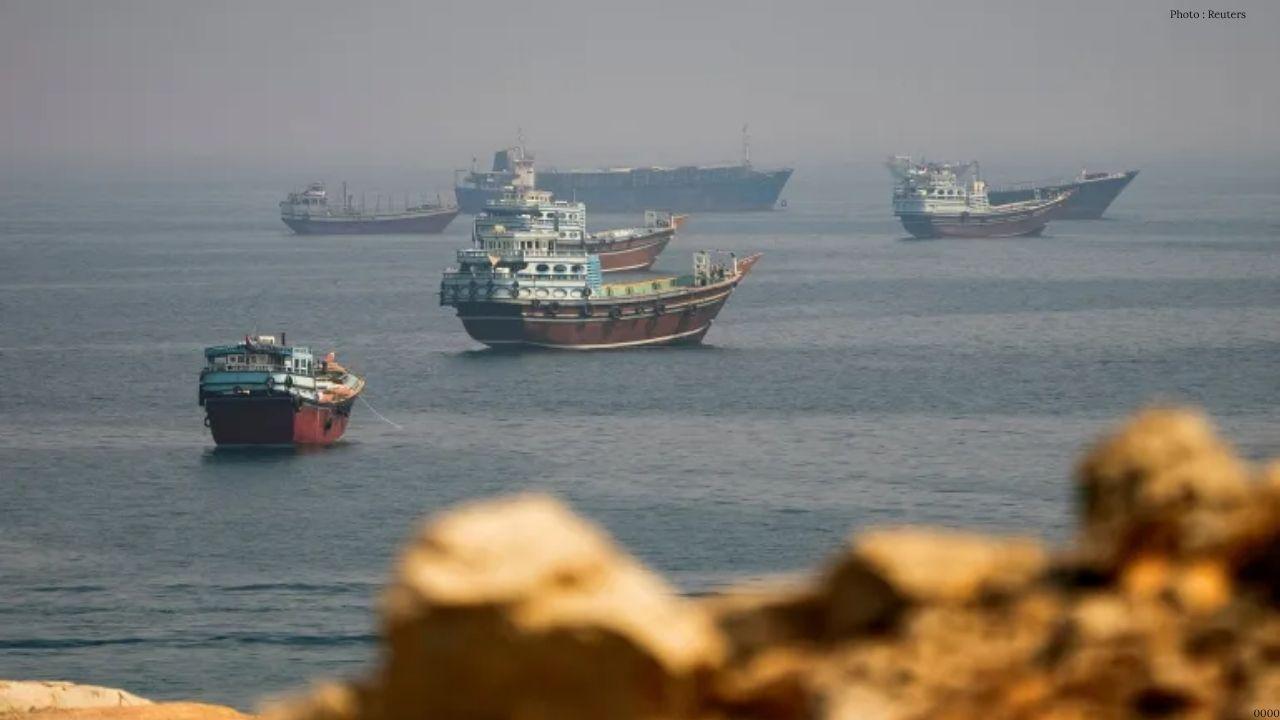
Center stage in this situation is the Strait of Hormuz, a crucial channel linking the Persian Gulf to the international marketplace. A considerable portion of the world’s oil trades through this vital route daily. Energy supplies from Gulf nations navigate these waters before arriving at various countries across Asia, Europe, and beyond. Threats to navigation here draw immediate global attention due to their potential impact on fuel availability and international trade.
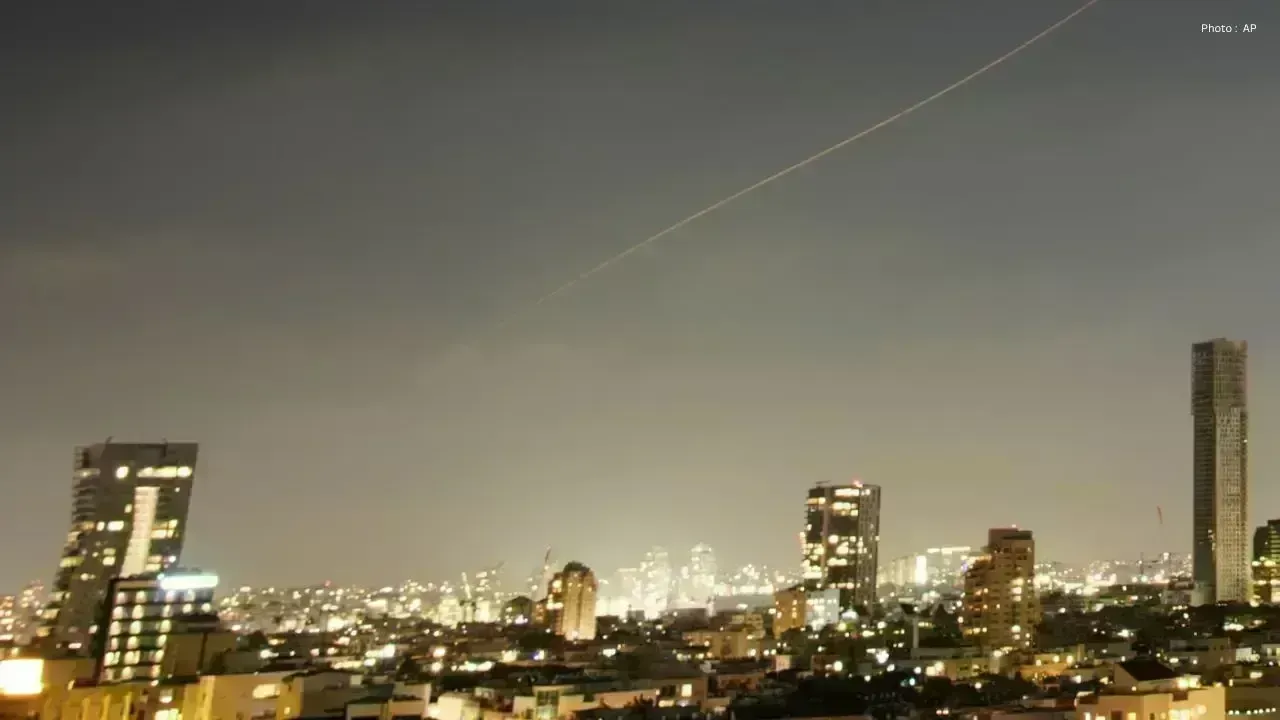
Recent military operations in the vicinity have further raised concerns over maritime safety. Reports indicate drone activity, missile demonstrations, and defensive countermeasures prompting governments to bolster their surveillance endeavors across the region. Military assets are on heightened alert to ensure the safety of commercial shipping and uphold stability along critical trade lanes.
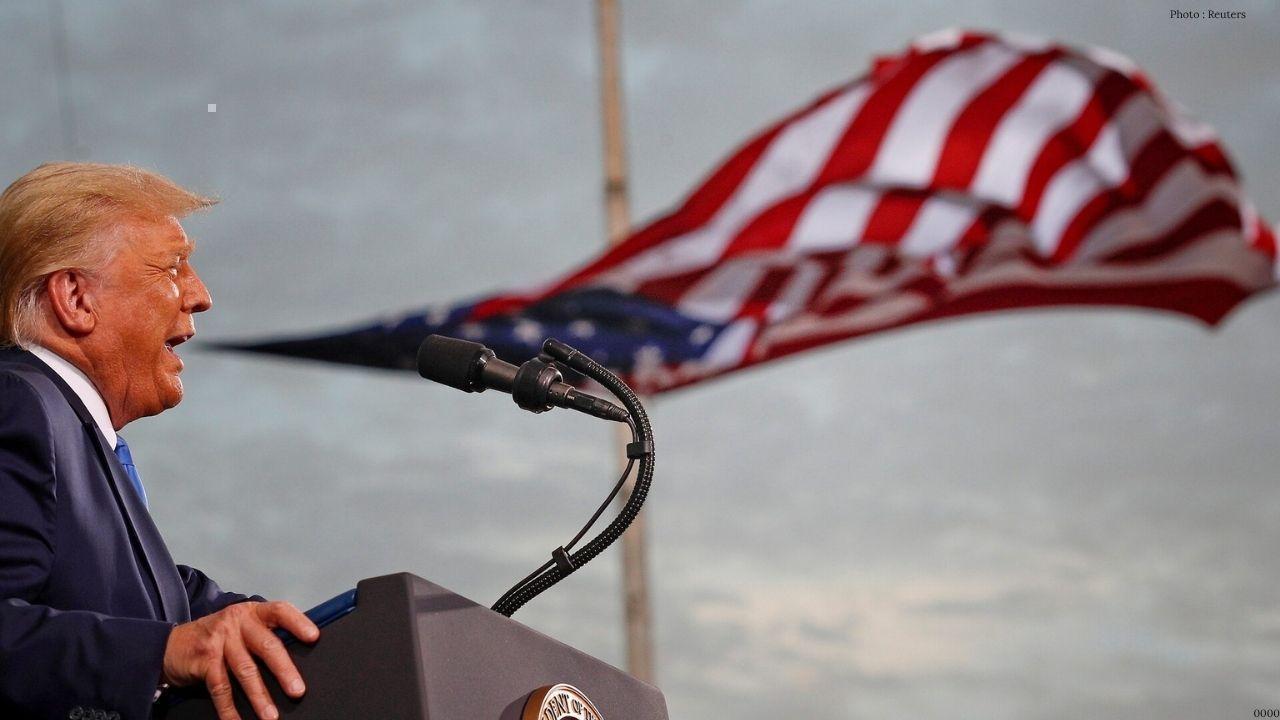
The United States has reaffirmed its commitment to safeguarding international passage and ensuring the security of vessels operating in the Gulf. American officials declare their military capabilities are primed to counter any threats that could pose risks to regional stability or disrupt shipping routes. These actions underscore the strategic significance of the region and suggest a keen interest in averting potential escalations.
Meanwhile, Israeli defense officials are closely observing these developments. For Israel, military operations tied to Iran present a pressing security challenge. Accusations of destabilizing actions have been exchanged between the two, further highlighting these persistent tensions.
Regional leaders now face a complex dilemma. They must navigate security challenges against the backdrop of the need for economic development and political steadiness. Many countries rely heavily on secure trade routes and stable energy supplies, as any disruption could negatively impact national income, investment prospects, and long-term developmental aims.
Energy markets are responding cautiously to the mounting uncertainty. Traders know all too well that instability near major shipping lanes can sway oil prices—even when supplies remain available. Anticipations of future disruptions often lead investors to adopt a more conservative stance, contributing to fluctuations in commodity markets. Such behaviors underline the interconnectedness of global energy dynamics with events unfolding in the Middle East.
Wider economic consequences go beyond fluctuations in fuel prices. Escalating transport costs can influence manufacturing, agriculture, and goods for consumers on a global scale. Businesses that depend on reliable shipping routes for efficient distribution often find themselves facing higher expenses and uncertainties during security crises.
Financial markets also display swift reactions to geopolitical events. Investors stay alert to security scenarios as these can directly impact economic progress, commercial activities, and overall confidence. Heightened tensions typically drive market players toward safer investments until the situation stabilizes, a trend noted across previous instances of regional unrest.
Efforts for diplomatic resolution persist as global leaders strive to mitigate the crisis. Many have echoed calls for restraint, urging all involved parties to prevent actions that may escalate tensions. Diplomatic paths remain open, with numerous nations advocating dialogue as a strategy to limit risks and maintain order.
International organizations stress the necessity of protecting civilian lives and fostering regional peace. History has illustrated that ongoing disputes can lead to humanitarian crises, economic trials, and security dilemmas that extend far beyond domestic borders. Preventing further escalation is a mutual objective among the international community.
The ongoing tensions spotlight the Middle East's strategic importance in global matters. The region stands central to energy production, transit, commerce, and international security. Events occurring there frequently influence governmental and business decisions worldwide. This is why developments surrounding the Strait of Hormuz are under the close scrutiny of policymakers, investors, and security analysts alike.
Military experts caution that periods marked by heightened tensions necessitate careful handling. Misinterpretations, unforeseen occurrences, or aggressive responses could escalate risks if communication is lacking. Therefore, many governments continue to champion diplomatic efforts alongside enhanced defensive preparations.
Furthermore, the intricate web of alliances and partnerships throughout the region remains a crucial factor. Many nations maintain security collaborations with significant global players and neighboring states, impacting responses to regional developments and crisis management strategies. Coordination among allies is seen as vital to sustaining stability.
For common citizens across the Middle East, the escalating tensions foster anxiety about the future. Communities are often concerned about security, economic conditions, and potential escalations. Stability is crucial not merely for governments and businesses, but also for millions who rely on peace and economic opportunities for their livelihoods.
Iranian military actions near the Strait of Hormuz have once more captured the world's attention towards one of its most delicate regions. Worries concerning maritime security, energy sustainability, economic stability, and regional peace continue to mold global discourse. The crucial days ahead will reveal whether diplomatic efforts can effectively ease rising tensions or if the situation spirals into a more perilous phase. The choices made by regional leaders and international partners are poised to significantly influence the future of Middle Eastern stability and global economic assurance.


 English