Post by : Shweta
US Strategy Changes as Iran Conflict Enters Sixth Month
Washington's Priorities Shift Toward Global Energy Security
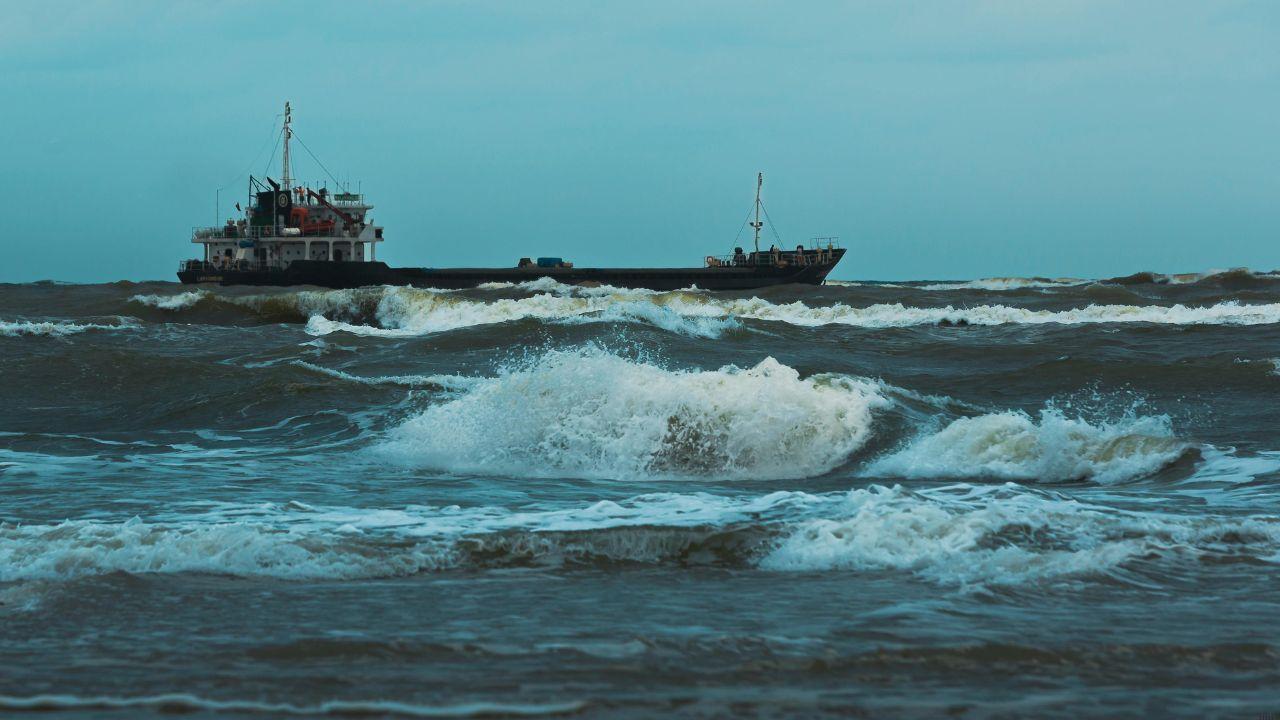
Six months after the conflict between the United States and Iran began, Washington's priorities appear to be evolving. What started as a military campaign focused on weakening Iran's nuclear and defense capabilities has increasingly turned into an effort to restore stability in one of the world's most important energy corridors. The Strait of Hormuz, through which a significant portion of global oil supplies move, has become a central concern for US policymakers as disruptions continue to affect international markets.
Strait of Hormuz Emerges as Key Battleground
At the start of the conflict, reopening the Strait of Hormuz was not among the primary objectives outlined by US officials. However, months of disruption have increased pressure on global energy supplies, fuel prices and shipping routes. The strategic waterway remains critical for oil-exporting nations and international trade. Washington now views the restoration of safe passage through the strait as essential to reducing economic uncertainty and easing pressure on global markets.
Questions Remain Over Iran's Nuclear Program
The future of Iran's nuclear program continues to be one of the most complex issues in the conflict. Although US officials have repeatedly stated that major damage has been inflicted on Iran's nuclear infrastructure, questions remain regarding highly enriched uranium stockpiles and the long-term monitoring of nuclear facilities. Diplomatic efforts have produced limited results, and several important issues remain unresolved as negotiations struggle to regain momentum.
Read more : Two Women and Child Injured in Hebron Shooting
Military Achievements and Ongoing Challenges
US officials maintain that significant progress has been made in degrading Iran's missile capabilities and military infrastructure. Washington argues that many missile production facilities and defense assets have been damaged during the conflict. Despite these claims, Iran has continued to demonstrate the ability to conduct regional operations and launch attacks using drones and other capabilities, highlighting the challenges of achieving complete military objectives.
Regional Stability Remains a Major Concern
Protecting allies across the Middle East remains a key element of US policy. Nations including Israel, Saudi Arabia, Qatar, the United Arab Emirates, Bahrain and Kuwait continue to play an important role in regional security calculations. At the same time, Washington faces growing pressure to balance military commitments with diplomatic efforts aimed at preventing a wider regional escalation that could threaten international trade and energy supplies.
Global Economic Impact Grows
The prolonged conflict has affected global markets, shipping routes and investor confidence. Energy experts warn that continued instability around the Strait of Hormuz could have long-term consequences for oil prices, fertilizer supplies and economic growth worldwide. Governments and businesses across multiple continents are closely monitoring developments as they assess potential risks to trade and supply chains.
Uncertain Road Ahead
While US officials continue to emphasize strategic gains, the conflict shows few signs of ending soon. Military operations, diplomatic negotiations and economic pressures are likely to remain intertwined in the coming months. With the Strait of Hormuz now at the center of international attention, the next phase of the conflict could have significant implications for global security and the world economy.


 English