Post by : Shweta
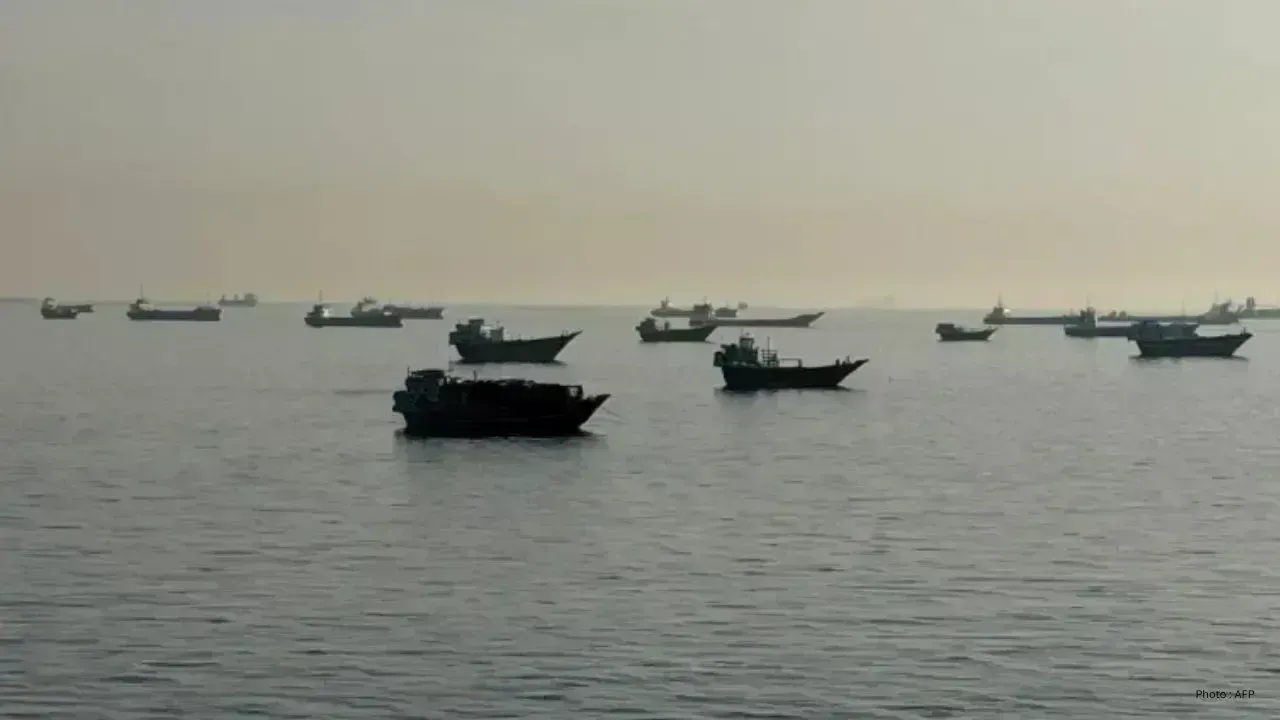
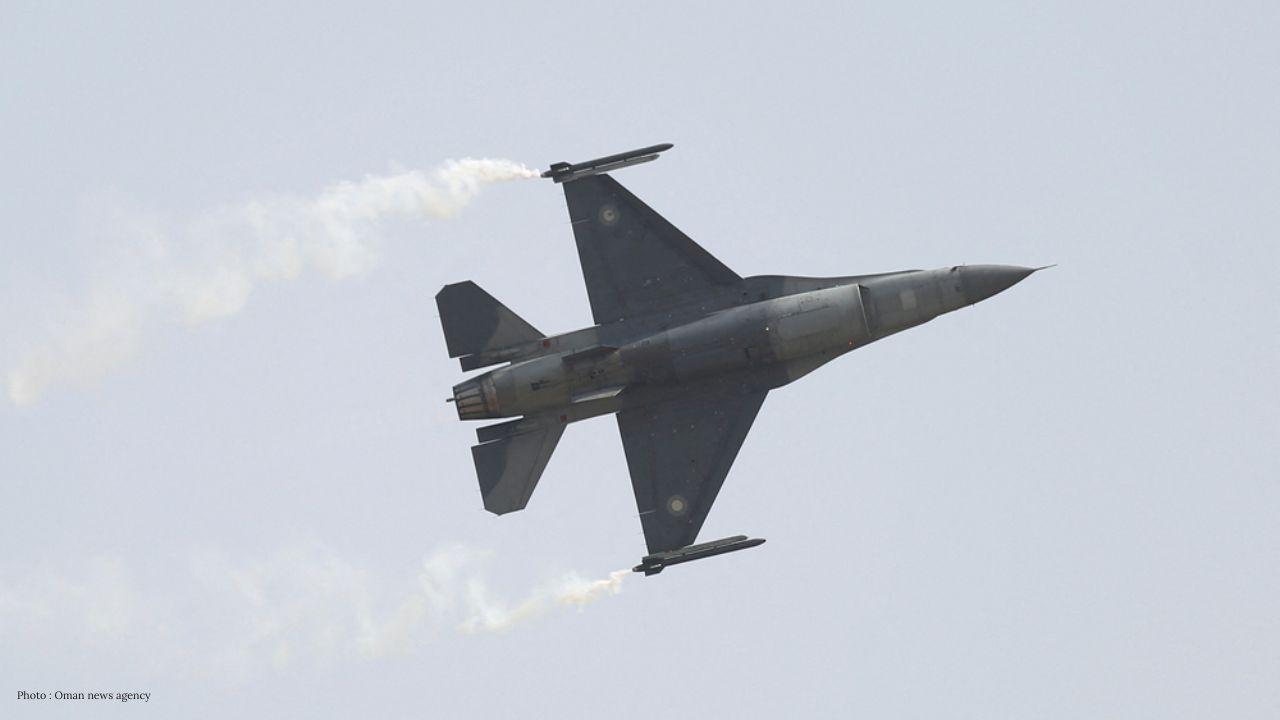
The U.S. military has initiated air strikes on specific targets in southern Iran, coinciding with ongoing diplomatic discussions between U.S. and Iranian officials in Qatar. As reported by U.S. Central Command (CENTCOM), the operations focused on missile installations and Iranian vessels allegedly engaged in deploying naval mines in the vital Strait of Hormuz area. U.S. authorities framed this operation as a necessary measure for “self-defense” to safeguard military personnel and assets.
The strikes predominantly occurred in crucial coastal regions such as Bandar Abbas, Sirik, and Jask. Reports from Iranian media acknowledged explosions in these targeted locales, with indications that several members of Iran’s Revolutionary Guard may have lost their lives. Yet, Iranian officials vehemently denounced the military actions, condemning the U.S. for purportedly breaching international law amidst sensitive diplomatic talks.
Captain Tim Hawkins from CENTCOM stated that American forces responded after spotting Iranian vessels attempting to install mines in key maritime routes. The Strait of Hormuz is recognized as a global oil transit hub, with a substantial portion of the world's energy supplies flowing through it daily, prompting U.S. officials to express concerns about potential threats to international shipping and military operations.
High-stakes negotiations were concurrently underway in Doha, Qatar, involving Iranian representatives and Qatari mediators discussing possible resolutions to the ongoing military standoffs. Dispatches indicate that Iran's Foreign Minister Abbas Araghchi and other senior officials participated in these talks, while the U.S. continues advocating for comprehensive security arrangements related to Iran's nuclear endeavors and regional military conduct.
Amidst this military engagement, U.S. President Donald Trump assured that negotiations with Tehran were “proceeding well.” American officials emphasized the strikes as limited and defensive, underscoring that they did not signify the halt of diplomatic efforts. Secretary of State Marco Rubio reiterated the commitment to diplomacy, insisting on the protection of U.S. personnel and shipping routes in the Gulf.
This recent escalation unfolds around a tenuous ceasefire that has held since April, stemming from prolonged conflicts involving Iran, the U.S., and Israel. Despite a downturn in large-scale confrontations, the atmosphere remains charged, marked by military incidents, drone strikes, naval skirmishes, and disputes over Iran's nuclear program.
A significant point of contention during negotiations remains Iran's accumulation of highly enriched uranium. President Trump has reiterated demands for Iran to either transfer this material to the U.S. or eliminate it under international scrutiny. Conversely, Iran has resisted, asserting that its nuclear initiatives are solely for peaceful purposes and aligned with national rights.
The current talks in Qatar are also reportedly addressing the reopening and securing of the Strait of Hormuz, which has experienced multiple threats due to the ongoing conflict. International energy markets are particularly sensitive to disruptions in the Gulf region, as instability can swiftly impact global oil pricing and trade channels. Following news of the latest strikes, oil markets displayed signs of unease as stakeholders closely monitored the situation.
Iranian representatives cautioned that persistent U.S. military actions could erode trust in the negotiations and exacerbate instability in the region. Tehran criticized Washington for engaging in military strikes while professing support for diplomatic resolutions. Some Iranian leaders have posited that military pressure could undermine any efforts at peace.
Observers worldwide regard the situation as precarious, as both parties strive to navigate diplomacy alongside military posturing. Analysts suggest that the immediate future could be pivotal in determining whether talks in Qatar can lead to a broader agreement or if tensions in the Gulf will escalate further. Despite ongoing discussions, the latest strikes reveal a looming possibility of significant escalations in the Middle East.


 English