Post by : Saif
Al-Najjar
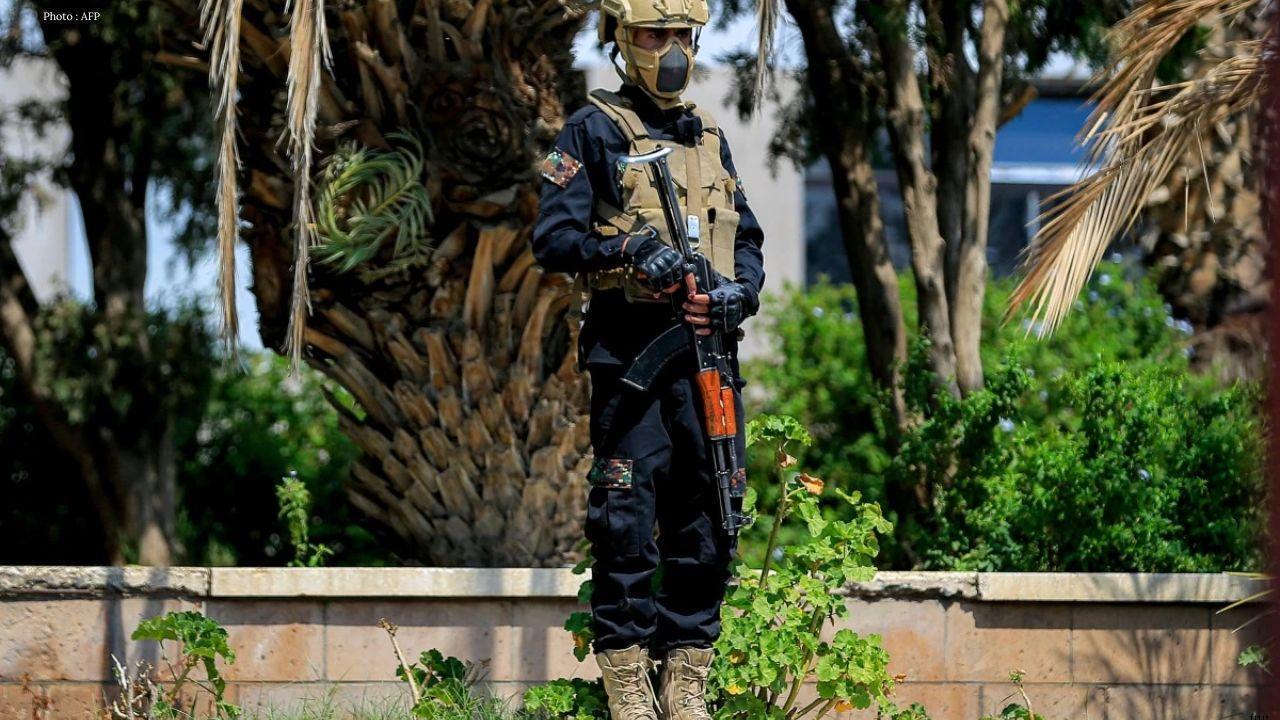
Recent military actions have intensified the complex security dynamics in the Gulf region, as the United States launched strikes on Iranian radar facilities. Concurrently, Kuwait reported fresh missile and drone incidents, amplifying anxieties over regional stability.
US officials confirmed that the operation aimed at radar systems linked to Iran's military capabilities, which are vital for airspace monitoring and threat detection. This move was a decisive response to perceived threats against the region's security and an indication of Washington's commitment to maintaining stability.
Kuwait's reports of missile and drone activities have further underscored the escalating risks faced by Gulf nations amidst existing conflicts. This situation has prompted security agencies to assess threats and enhance defensive strategies effectively.
These developments are occurring in a context of heightened vulnerability, as tensions among Iran, the United States, and various regional stakeholders have led to ongoing instability over the years. Disputes surrounding military engagements, maritime security, and strategic interests frequently contribute to uncertainty in the region.
Radar systems are integral to contemporary military operations, enabling forces to track aerial threats and coordinate responses effectively. Damage to these critical infrastructures can hinder military planning and response, which makes targeting such installations strategically significant.
The recent missile and drone strikes signify a growing reliance on advanced technologies in modern conflicts. Deployment of unmanned aerial vehicles and precision-guided munitions allows actors to execute operations over considerable distances, altering security challenges for defense strategy in the region.
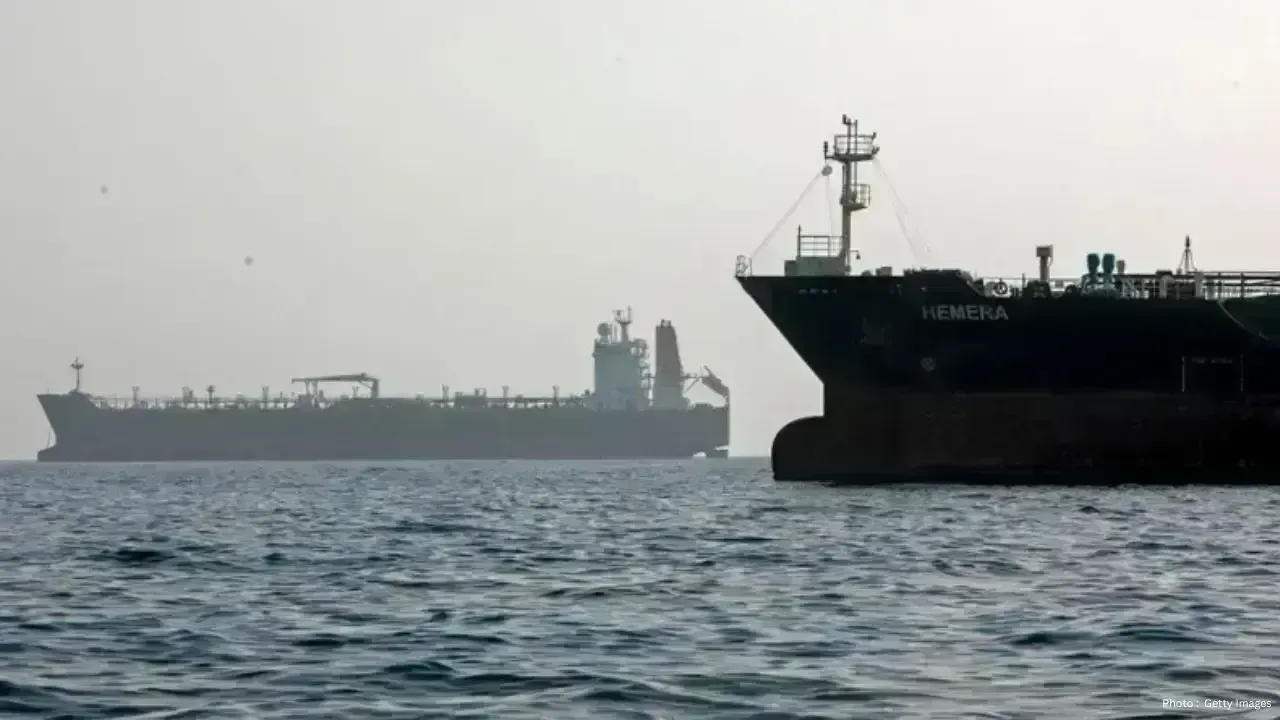
Global governments are closely observing these events, as any escalation could impact international trade and energy markets. The Gulf region's significance in global energy supply chains makes the situation particularly relevant on a worldwide scale.
The economic ramifications also raise alarms. Heightened tensions usually sway oil prices and investor sentiment, given that instability in energy-rich regions can disrupt global supply chains.
For Kuwait and its Gulf neighbors, ensuring stability is paramount. There have been concerted efforts to bolster security partnerships and enhance defense mechanisms in light of these new threats, reminding us of the ongoing challenges presented by geopolitical tensions.
Despite military engagements, diplomatic channels remain active. Leaders worldwide advocate for dialogue and de-escalation as key measures to prevent wider conflicts. Communication and negotiation are often seen as crucial means to mitigate tensions and ensure stability.
The interconnectedness of regional security dynamics highlights how events in one country can have swift repercussions in neighboring areas. Policymakers tend to view security issues within a broader regional framework rather than as isolated occurrences.
Military analysts argue that strikes on strategic infrastructure can have repercussions that extend beyond immediate military outcomes. Such choices could reshape security calculations and affect future diplomatic negotiations. Understanding these complexities is essential when considering the implications of current events.
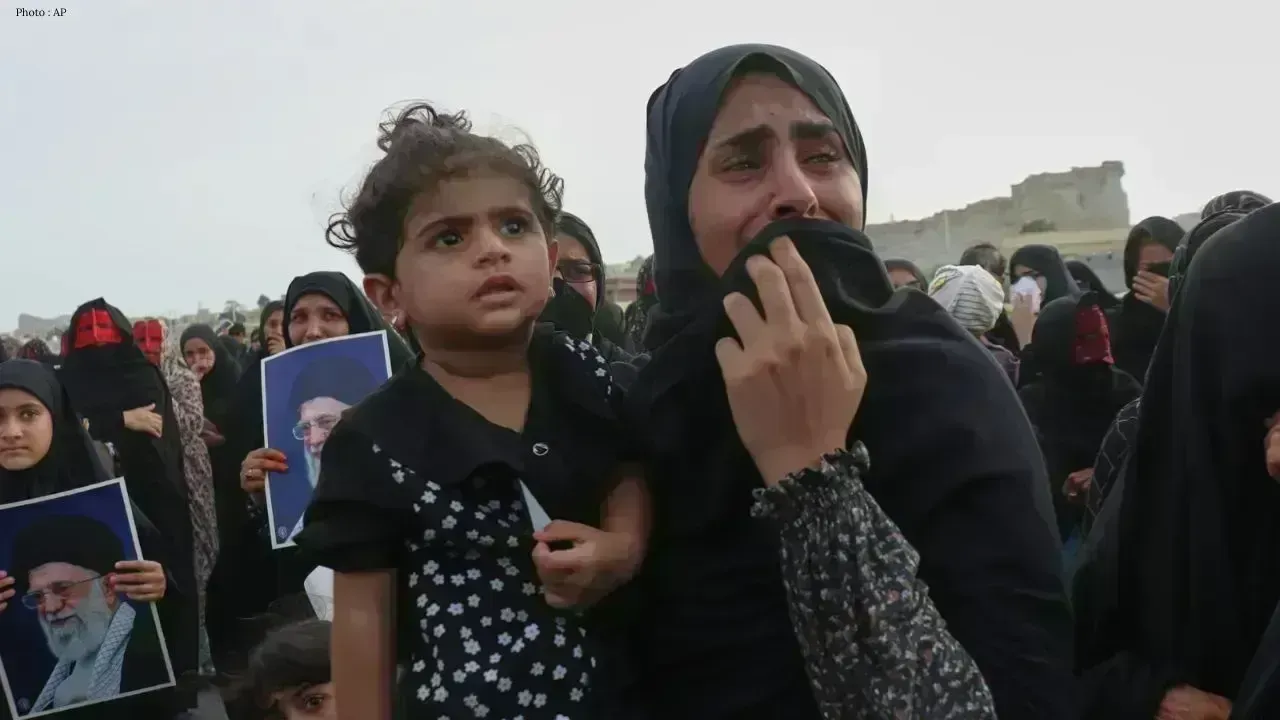
As tensions rise, civilian populations experience growing worries about safety, economic stability, and disruptions to everyday life. This makes the quest for peace and the prevention of escalation critical across the board.
This ongoing situation illustrates the fine line between military measures and political engagement. While nations prioritize their interests and respond to threats, long-term security often hinges on finding diplomatic solutions to underlying issues.
As regional and international stakeholders monitor events closely, the focus will remain on whether tensions can be restrained or if additional incidents may arise. The upcoming days hold significant importance for stability in the Gulf.
The military strikes on Iranian radar facilities and the accompanying missile and drone incidents mark yet another moment in a fluid security landscape. While immediate concerns center on avoiding further escalation, the larger goal of fostering enduring peace and cooperation in this critical region continues to challenge leaders.


 English