Post by : Saif
Al-Najjar
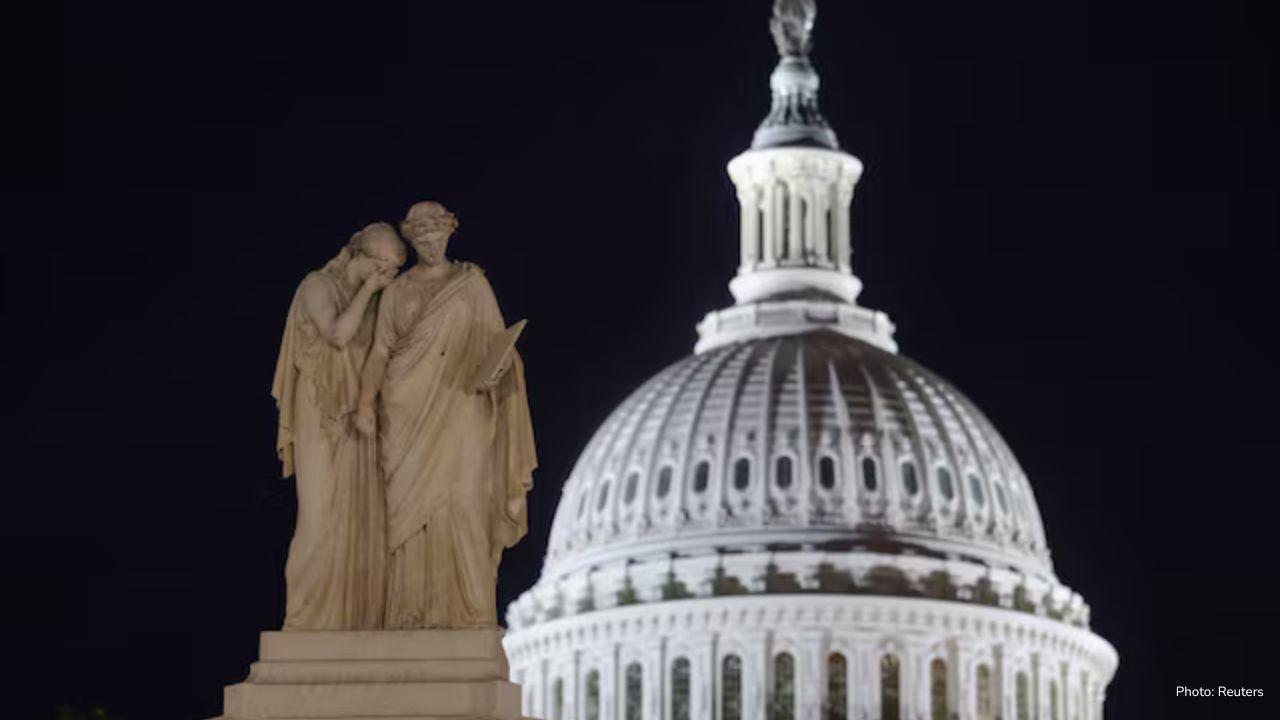
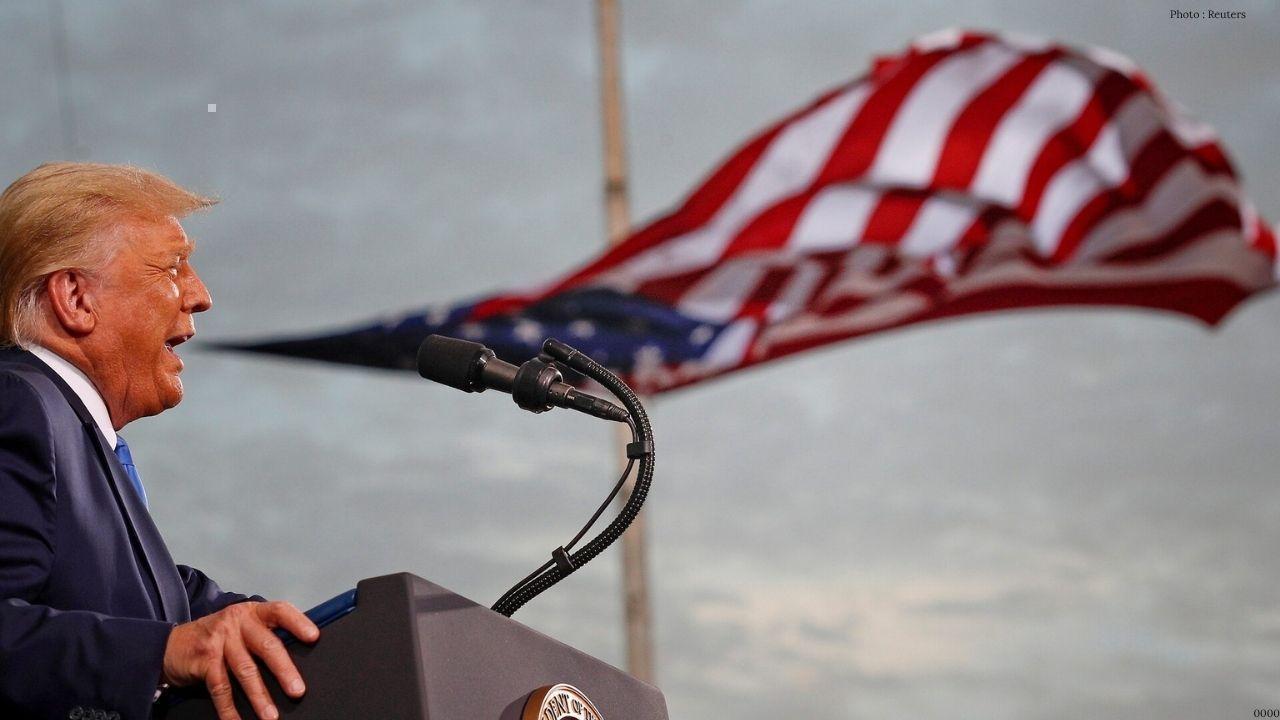
The United States government has once again come to a halt. Washington entered its 15th shutdown since 1981, and this is the second time it has happened under President Donald Trump. A shutdown means that many government offices stop working because Congress cannot agree on the federal budget.
This time, the shutdown comes with even bigger problems. Tens of thousands of workers have already lost their jobs this year, and now more than 150,000 federal employees are expected to leave their posts this week. This is the largest loss of government staff in more than 80 years. Airports are also affected, as the Federal Aviation Administration (FAA) plans to put one-fourth of its workers on leave. This may lead to delays and long lines for passengers.
Tariffs Add More Pressure
The shutdown is not the only challenge. On the very same day, President Trump’s new tariffs on big trucks, medicines, and other goods are starting. Tariffs are extra taxes placed on imports, and they often make products more expensive. Even though many offices are closed, the government has said tariff collections will continue.
These moves are likely to place more stress on the U.S. economy, which is already slowing down. Factories are cutting back, hiring has cooled, and businesses are struggling with high costs.
The Federal Reserve’s Dilemma
The Federal Reserve, America’s central bank, is closely watching the situation. The Fed has been worried about job losses and weak hiring. Investors believe the shutdown, combined with the tariffs, will push the Fed to lower interest rates this month. Market data shows there is now a 96% chance of a rate cut, compared with 90% just a day earlier.
Lowering interest rates is meant to make borrowing cheaper and support growth. But it also shows how fragile the economy has become.
Market Response
So far, stock markets have not reacted with panic. Futures for the S&P 500 and Nasdaq fell only 0.5%, which is a small change considering the uncertainty. Historically, during the last 21 shutdowns, the S&P index gained 12 times and lost 9 times, with an average move of almost zero.
However, gold investors are not waiting. Many are buying gold, which is often seen as a safe place to put money when governments are in trouble. Gold prices have now reached a record $3,875 per ounce. Silver and platinum are also rising fast.
Asia Feels the Impact Too
In Asia, the mood has been mixed. Chinese markets are closed for the week due to national holidays, but Japan’s Nikkei index fell 1%. On the other hand, Taiwan’s market gained 1% and South Korea’s rose 0.8%.
Currencies and U.S. Treasury bonds, which often move sharply during times of crisis, have stayed calm. This suggests that global investors are waiting for more data before making big decisions.
A Data Blackout
One major problem caused by the shutdown is the lack of official economic reports. The monthly payrolls report, which is usually very important for financial markets, will not be released. This leaves investors in the dark.
Instead, attention will turn to private reports such as the ADP National Employment Report. Analysts expect it to show a modest gain of 50,000 private-sector jobs. But the trend is clear: the U.S. job market is slowing. A separate report earlier this week showed hiring was falling, though it is not clear if the cause is automation, tariffs, or long-term structural changes.
Why This Shutdown Matters
Every U.S. government shutdown has both political and economic costs. Politically, it shows deep divisions in Washington. Economically, it hurts ordinary citizens—workers are left unpaid, services stop, and businesses face delays in government approvals.
This particular shutdown is especially dangerous because it comes at a time when the U.S. economy is already weak. Tariffs are raising costs, workers are losing jobs, and trust in Washington’s ability to govern is fading.
The Bigger Picture
The world still looks to the United States for stability in trade and finance. When Washington is in crisis, it sends waves across global markets. Rising gold prices, nervous investors, and uncertain trade flows are all signals of this wider impact.
Editorial View
The shutdown is more than just a political fight in Washington—it is a reminder of how fragile the balance between government, economy, and global trust has become. At a time when leadership is most needed, the United States appears divided and unable to provide stability.
Ordinary citizens will feel the pain first: airport delays, job losses, and rising costs of goods. But the larger danger is the loss of faith in America’s ability to manage its own economy.
Washington must act quickly to restore order. Otherwise, the damage from this shutdown will go far beyond its borders.


 English