Post by : Shweta
WHO Warns of Rising Disease Risks in Gaza
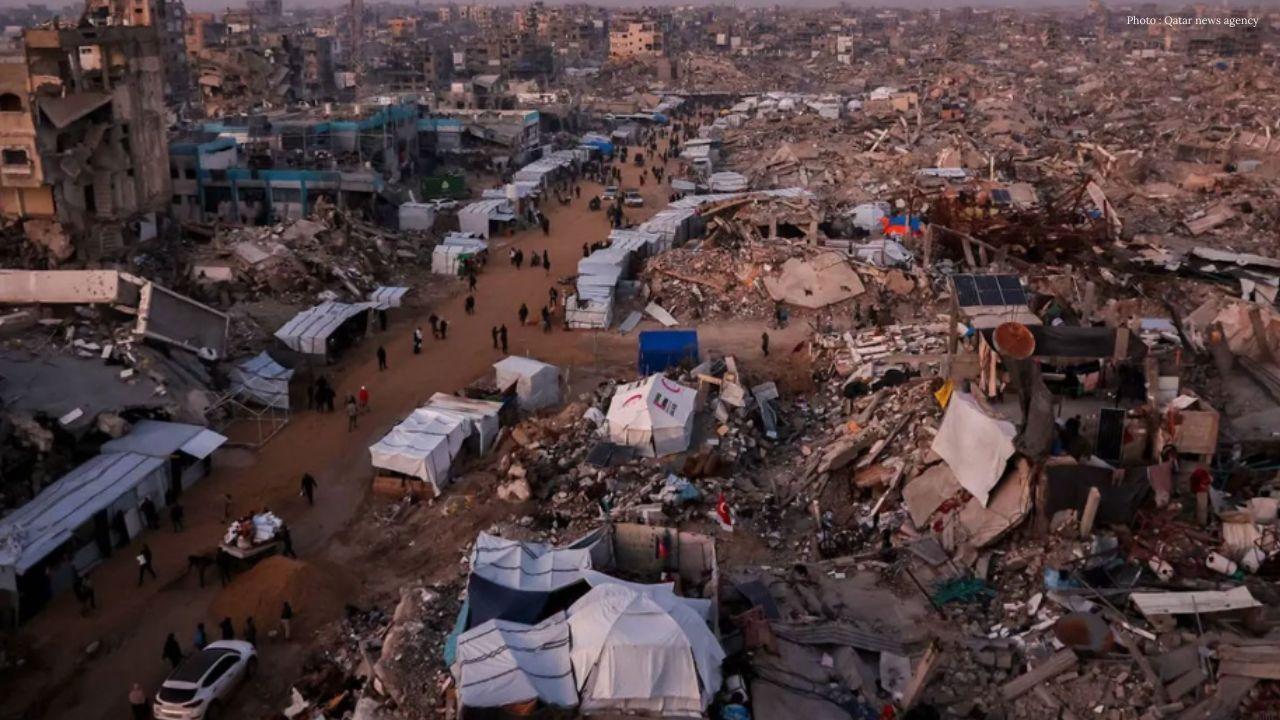
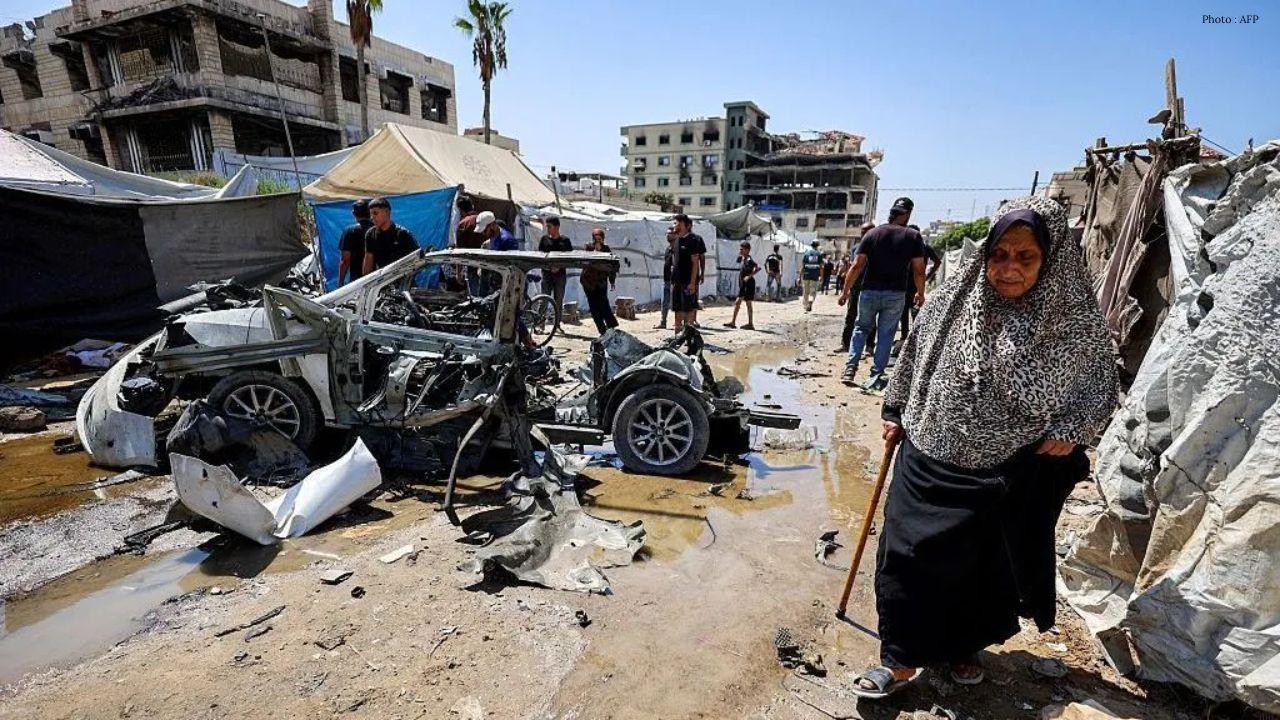
The World Health Organization (WHO) has warned that Gaza could face increased health risks as the rainy and winter seasons approach. The warning comes as large numbers of people continue to live in overcrowded temporary shelters with limited access to safe water, sanitation and healthcare.
WHO has previously reported that Gaza's health system continues to face major operational challenges, while the organization and its partners are working to maintain essential health services and monitor disease outbreaks.
Contaminated Water Remains a Major Concern
According to the report supplied by QNA, WHO representative Reinhilde Van de Weerdt said that inadequate water supplies and poor water quality remain serious concerns in Gaza. The report said cases of acute diarrhea increased from about 27,000 in March to more than 48,000 in August.
The WHO has consistently identified contaminated water and inadequate sanitation as important factors in the spread of diarrhoeal diseases. The organization says infections can spread through contaminated food or drinking water and that safe water, sanitation and hygiene are essential for reducing the risk.
Rain Could Spread Sewage and Waste
The approaching rainy season could make the situation more difficult for people living in temporary camps and tents. According to the QNA report, accumulated waste and inadequate drainage could result in rainwater carrying sewage, garbage and contaminated water into areas where families sleep, prepare food and care for children.
Read more : Saudi, Oman Leaders Discuss Regional Security in Jeddah
WHO's broader work in Gaza has also highlighted serious gaps in health resources and services. Its July 2026 HeRAMS assessment noted continuing barriers affecting health-service delivery across the Gaza Strip.
Mosquitoes and Other Pests Could Increase
The WHO representative warned that rainfall and poor sanitation could create conditions favourable to the spread of pests, mosquitoes and bacteria. Such conditions can increase the risk of infectious diseases, particularly in densely populated temporary settlements where access to clean water and sanitation is limited.
WHO's guidance on diarrhoeal disease explains that poor sanitation, unsafe water and inadequate hygiene can significantly increase infection risks. Children and people already affected by malnutrition can be particularly vulnerable to serious complications.
Water Contamination Has Increased
The QNA report said WHO analysis of more than 6,700 water samples showed a substantial rise in microbiological contamination between January and August, with contamination increasing from around 6% in January to more than 18% in August.
Previous WHO reporting has also documented serious water-quality concerns in Gaza. In one 2025 reporting period, WHO said a large proportion of tested water samples failed chlorine standards and that some samples tested positive for faecal coliforms and E. coli.
WHO Calls for Urgent Health and Water Support
WHO is calling for improved access to medicines, essential medical supplies, laboratory equipment, safe water and sanitation services. The organization has also stressed the importance of strengthening Gaza's health system so that disease outbreaks can be detected and addressed quickly.
WHO says it continues to work with partners to meet urgent health needs, deliver essential supplies and monitor disease outbreaks while supporting longer-term recovery of Gaza's health system


 English