Post by : Saif
Al-Najjar
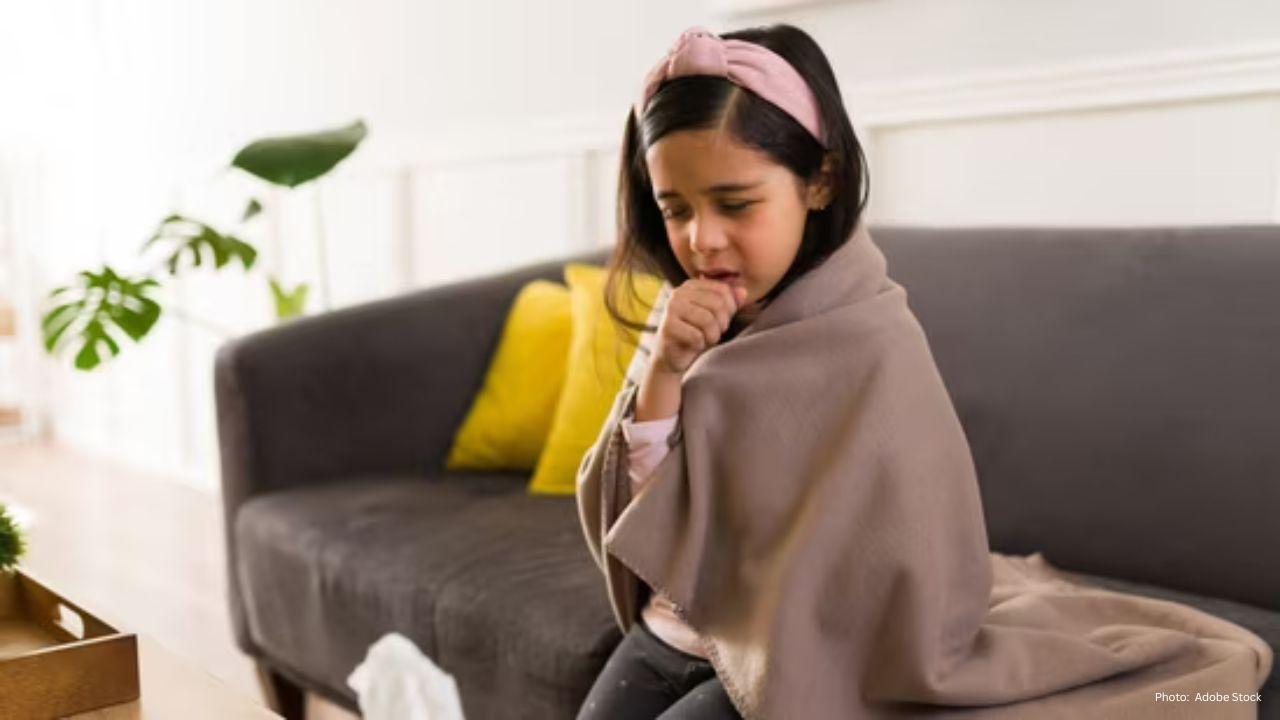
Chronic obstructive pulmonary disease, or COPD, is widely seen as a condition limited to adults. However, health professionals are sounding the alarm on the increasing incidence of early signs in children. Factors like worsening air pollution, exposure to smoke, and recurrent respiratory infections are exposing young lungs to significant risks. On World COPD Day, medical experts are urging parents to remain vigilant and recognize potential indicators of lung damage in their children.
As noted by the World Health Organization, over 392 million individuals globally are currently living with COPD. This illness causes inflammation and gradual constriction of the airways, making breathing increasingly difficult. While adults comprise the majority of affected individuals, pediatricians are experiencing a rise in children displaying early COPD-like symptoms. This rise is frequently attributed to environmental factors, particularly in metropolitan areas where air quality is deteriorating. Continuous exposure to polluted air during childhood can impede lung development, raising the likelihood of respiratory issues in the future.
Experts emphasize that COPD doesn’t manifest abruptly; it develops gradually, with damage often starting early due to exposure to harmful elements. These include secondhand smoke, pollutants from burning fuels, indoor contaminants, and traffic emissions. Many families still rely on traditional cooking fuels that produce indoor smoke. Children inhaling this smoke on a daily basis may experience irritation and inflammation in their airways, leading to lasting harm.
Frequent respiratory infections also pose a significant threat. Repeated bouts of colds, coughs, or lung infections can culminate in weakened respiratory systems. Dr. Akshay Mehta, a prominent pediatric expert, states that continual exposure to poor air or repeated illnesses can stunt lung growth. If lung development is stymied in youth, the child may later encounter serious breathing difficulties. Furthermore, children with untreated asthma are at an elevated risk of enduring long-term pulmonary damage.
While rarer scenarios exist, such as genetic disorders like alpha-1 antitrypsin deficiency that can cause COPD in younger populations, most pediatric cases relate to environmental exposures. Older children working in dusty or chemically laden environments may face additional hazards.
Parents are urged to be aware of early warning signs to ensure timely intervention. Key symptoms include persistent coughing with mucus, difficulty breathing, wheezing, fatigue after minimal exertion, and a diminished interest in activities. Oftentimes, these symptoms may be mistaken for common asthma or seasonal illnesses, making medical assessment crucial when they persist. Healthcare providers commonly utilize spirometry to assess lung function, although this test is not readily accessible in many locations.
The encouraging news is that the risk of COPD can be minimized through proactive steps by parents. First, it’s crucial to eliminate cigarette smoke from the child’s environment. Even passive exposure can be detrimental. Families should ensure a smoke-free home and motivate smokers to either quit or smoke outdoors. Improving indoor air quality is essential—keeping windows open while cooking and opting for cleaner fuel alternatives can make a difference. Limit the use of incense sticks, mosquito coils, and strong chemicals that can release harmful fumes into the air.
On days of heightened outdoor pollution, children should remain indoors, engaged in indoor activities. Utilizing masks and adhering to stringent hygiene practices, like regular handwashing, can help reduce respiratory infections. It is essential for children on prescribed medications, such as inhalers, to follow medical advice strictly, as neglecting treatment or relying exclusively on home remedies may exacerbate long-term lung health.
Children frequently experiencing respiratory issues should receive regular health evaluations to track lung growth and functionality, adjusting treatment as necessary. Through early intervention, awareness, maintaining clean air at home, and securing medical support, many children can avert long-term health problems. World COPD Day serves as a crucial reminder that safeguarding developing lungs today is vital for preventing serious respiratory complications tomorrow.


 English