Post by : Anis
Al-Rashid
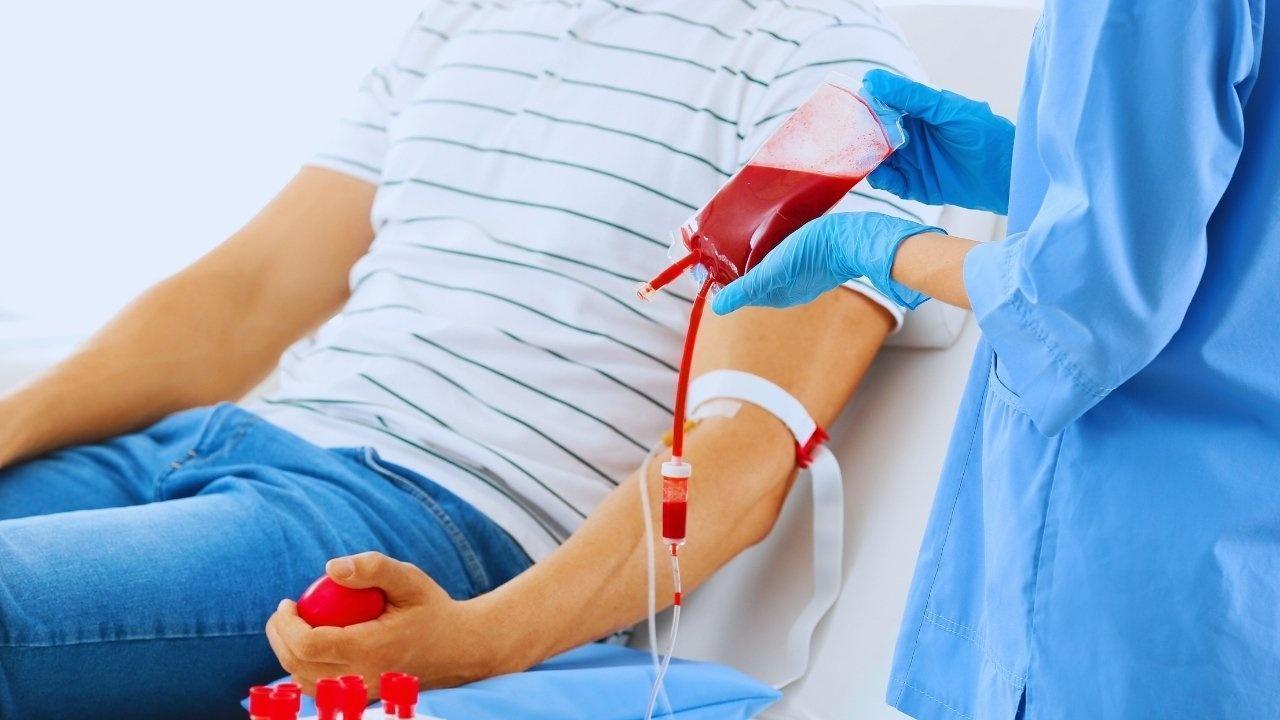
In a notable turn for global health engagement, this week's international blood donation drives have sparked more than just an uptick in donor registrations. They have reignited discussions surrounding community accountability, health awareness, readiness for emergencies, and the vital role of collective effort in public health. Countries spanning Asia, Europe, Africa, and the Americas have initiated coordinated campaigns that encourage individuals, workplaces, educational institutions, and local associations to participate in blood donation amidst rising demand.
What distinguishes these initiatives is their extensive outreach and their ability to reshape how communities interact with health services. Blood donation, often burdened by myths and emotional apprehensions, is being redefined through narrative-driven campaigns that highlight real patient experiences and share transparent data. Social media is filled with newcomers recounting their donation stories, workplaces conducting group drives, schools organizing informative sessions, and local authorities emphasizing the permanent benefits of donating blood.
Historically essential, blood donation is now being framed as an act of community unity rather than a mundane task. This cultural shift illustrates a deeper transformation in how health engagement is perceived—not merely a personal duty, but a shared endeavor that strengthens the fabric of communities.
This in-depth article explores the significance of this week's donation drives, their implications, evolving participation trends, and what it spells for the future of community health involvement globally.
Unique Aspects of This Week's Campaigns
Despite the frequent occurrence of blood donation events, the latest campaigns hold unique significance for multiple reasons.
Global Cooperation
Many nations have come together to launch these drives simultaneously, fostering a united sense of urgency. This shared engagement sends a compelling and collective message.
Engaging Narratives
The campaigns emphasize real-life stories instead of technical language, focusing on the lives impacted by each donation.
Focus on Youth Involvement
Educational institutions and youth organizations played significant roles, encouraging curiosity among first-time donors and normalizing the act of giving blood from an early age.
Rural and Urban Outreach
For the first time, rural areas received equal focus, with mobile donation units making it accessible for those who previously faced barriers.
Myth-Busting Initiatives
These campaigns have effectively addressed common fears relating to safety, eligibility, and health risks surrounding blood donation.
Such innovations have helped create a welcoming atmosphere, motivating individuals who have never considered donating to come forward.
The Need for Blood: A Growing Concern
Blood supply shortages pose significant challenges to health systems globally, particularly during seasonal variations or in nations with limited donor bases.
Increasing Medical Needs
With advancements in medical treatments, emergency surgeries, and chronic health conditions, the reliance on a stable supply of blood has surged alongside expanded access to healthcare.
Emergency Requirement
Traffic accidents contribute significantly to emergency transfusion needs, often leading to depletion in many high-density traffic areas.
Ageing Demographic
An older population necessitates increased medical interventions, further straining blood supplies.
Surge in Surgeries
With advancements in surgical procedures, a steady reserve of blood has become essential.
Seasonal Variability
Natural shifts, academic stress periods, and health outbreaks impact donor turnout, leading to recurring challenges.
The current campaigns emphasized that blood donation isn't a seasonal requirement but a continuous community responsibility.
Transforming Community Contributions
Shift from Duty to Solidarity
The initiatives framed blood donation not merely as an obligation but as a communal act of solidarity, thus altering public perception.
Workplace Incentives
Companies facilitated group donations, providing transport and time allowances, effectively easing the nerves of first-time donors.
Family Involvement
Families are attending donation events together, cultivating a sense of collective value surrounding the act of donating.
Local Leadership
Community figures and activists have taken the lead in donating and sharing their experiences, diminishing associated stigma.
Neighbourhood Donation Points
Various communities have created localized donation hubs, enhancing grassroots involvement.
Increased Repeat Donors
Many first-time donors are committing to future donations, indicating a shift towards ongoing participation.
This week signifies a cultural evolution regarding community engagement in health matters.
Digital Storytelling: The Underrated Driver of Participation
The campaigns strategically employed digital platforms.
Narratives of Survivors
Videos showcasing individuals whose lives were saved due to blood donations provided context and emphasized real impacts.
Informative Short Clips
Brief videos demystified the donation process, guiding potential donors through safety, eligibility, and recovery.
Peer Insights
Individuals shared their motivations for donating, helping to encourage wider participation.
Social Media Engagement
Badges like 'I Donated Today' proliferated sharing and increased the campaign’s visibility.
Live Streaming Events
Live streams of donation events enhanced transparency and encouraged engagement.
These tactics converted awareness into tangible actions.
New Trends in Donation Participation
Young Donors
There has been a significant increase in youth involvement owing to campus-driven initiatives and relatable content.
First-Time Participants
Numerous individuals engaged in blood donation for the first time this week, spurred by improved clarity and diminished fears.
Empowering Women
More women joined the campaigns this year, aided by outreach that addressed health-related misconceptions.
Corporate Workforce
Workplace initiatives have successfully engaged busy professionals in the donation effort.
Rural Participation
The reach of mobile donation units has significantly improved rural participation rates.
These dynamics render this week's movement one of the most substantial global donation efforts in many years.
Consequences for Community Health Systems
Enhanced Emergency Preparedness
Increased donations have bolstered reserves, allowing hospitals to respond more rapidly during crises.
Building Trust in Health Systems
Open dialogue during campaigns has fostered greater public confidence in healthcare providers.
Heightened Public Awareness
Communities now possess a better grasp of blood types, donation frequency, and this connection with survival rates.
Promoting Preventive Care
Many first-time donors received basic health checks, leading to early problem identification.
Establishing Volunteer Networks
Campaigns have successfully created directories for committed repeat donors and volunteer coordinators.
Benefits to the health infrastructure will extend well beyond this week's efforts.
Ritualizing Blood Donation as a Community Event
Increasingly, blood donation is evolving into a communal ritual rather than merely an individual responsibility.
Scheduled Drives
Communities are organizing regular donation events well in advance, rather than responding to shortages.
Community Gatherings
Donation drives are accompanied by social events, from music to small celebrations, enhancing the experience.
Fostering Local Pride
Towns take pride in their donation accomplishments and have begun to foster healthy competition.
Celebrating Milestones
For many, donating has become a way to mark significant occasions, reinforcing communal bonds while aiding healthcare.
Combating Persistent Myths
Despite the uptick in contributions, some misconceptions remain prevalent.
Myth: It Weakens the Body
Reality: Healthy individuals generally recover swiftly.
Myth: It’s Unsafe
Reality: Utilization of sterile and single-use equipment ensures safety standards.
Myth: Minor Conditions Restrict Donation
Reality: Various lifestyle factors do not necessarily limit eligibility.
Myth: Only Rare Types Are Needed
Reality: All blood types are crucial, with O and A types being particularly necessary.
These campaigns have played an essential role in dispelling such misconceptions.
Key Contributions from Health Workers
Welcoming Interactions
Healthcare professionals provided step-by-step guidance, helping to alleviate donor anxiety.
On-Site Health Evaluations
Quick health screenings ensured donor safety during events.
Efficient Donation Procedures
Organized donation processes and fast service made participants feel highly valued.
Expressions of Gratitude
Thank-you notes, small gifts, and personalized recognition bolstered donor satisfaction.
Health workers have been crucial to the success of these campaigns.
Emerging Cultural Changes
Normalizing Health Engagement
Citizens are gradually embracing health participation as a community standard rather than a rare obligation.
Forming Youth Habits
Experiences from a young age lay the groundwork for future donation behaviors; today's young donors are likely to become lifelong supporters.
Emerging Health Networks
Organized volunteer groups and community networks established during this time will continue to advocate for blood donation.
Shared Global Responsibility
Worldwide participation has fostered a sense of shared obligation and compassion.
These trends have the potential to deeply alter public health cultures for years to come.
Challenges Still Ahead
Inconsistent Donor Engagement
Many individuals participate only once, emphasizing the necessity for long-term involvement.
Reaching Remote Communities
The continuation of mobile units is imperative to access underserved populations.
Promoting Blood Component Knowledge
Understanding the importance of platelet and plasma donations remains low.
Health Eligibility Confusion
More transparent communication is essential for nuanced cases.
Efforts must persist in refining messaging and accessibility.
Final Thoughts
The global blood donation campaigns initiated this week have generated far more than temporary spikes in participation. They have transformed societal perceptions of public health engagement, recasting blood donation as a community act of unity that mobilizes new donors, fortifies trust in healthcare systems, and cultivates a culture of collective responsibility that transcends individual interests.
As global medical requirements surge, blood reserves fluctuate, and emergencies loom, these initiatives have laid down a template for effectively mobilizing public involvement. If the momentum is maintained, blood donation can evolve into one of the most cherished community health practices—simple yet profoundly impactful on survival, resilience, and the welfare of the entire society.
Disclaimer:
This article serves solely for informational and editorial purposes and does not provide medical advice. Eligibility for blood donation is subject to regional and individual health criteria, and readers should consult local guidelines or healthcare practitioners before donating.


 English