Post by : Sami
Al-Rahmani
Your Essential Guide to Traveling Nepal: Kathmandu, Pokhara, and Trekking Insights
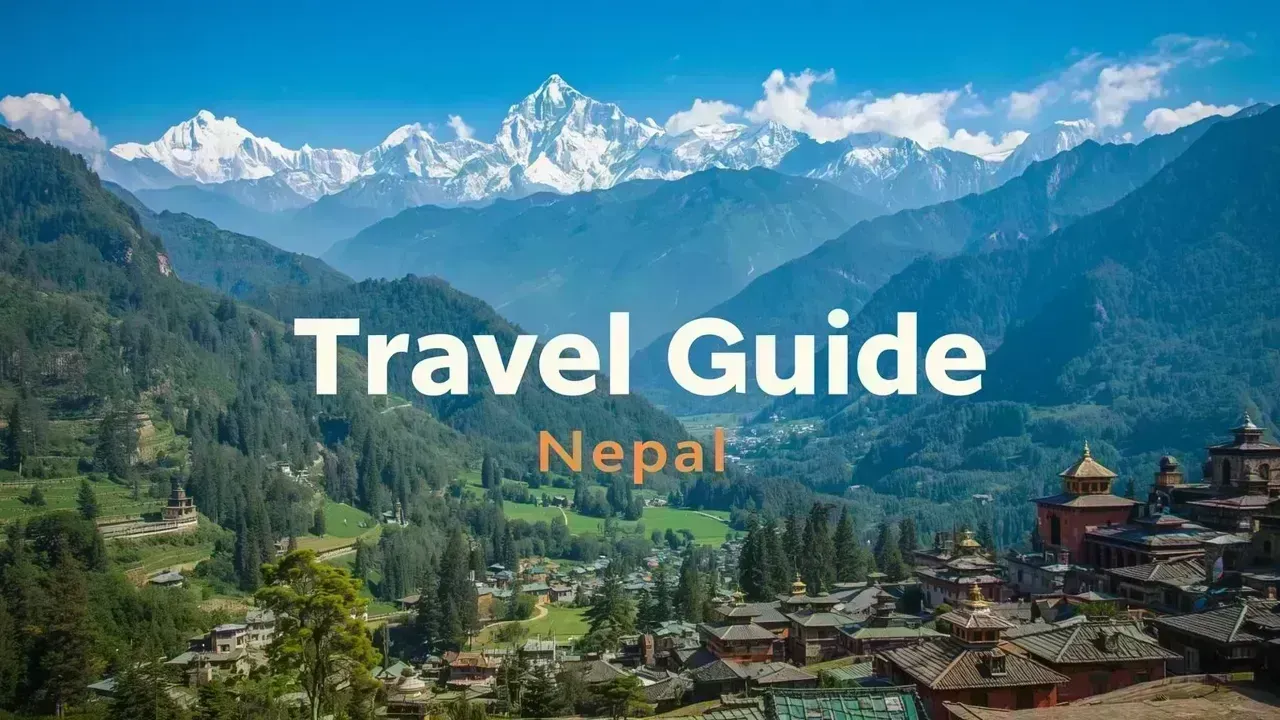
Nepal beckons adventurers and culture enthusiasts alike, boasting majestic Himalayas, ancient temples, serene lakes, and renowned trekking paths. This comprehensive guide serves newcomers and seasoned travelers alike, unraveling the wonders of Kathmandu, Pokhara, and essential secrets for organizing treks in Nepal with practical advice.
Reasons to Visit Nepal
The nation merges rich traditions with breathtaking landscapes. Spend your mornings exploring historic temples, your afternoons gazing at mountain vistas, and ready yourself for a Himalayan hike the following day. Nepal is affordable, hospitable, and ideal for solo travelers, backpackers, and thrill-seekers.
Kathmandu: The Nexus of Culture and History
Kathmandu stands as the capital and cultural nucleus of Nepal, often welcoming global travelers as their first destination and acting as the principal gateway to trekking adventures.
Must-See Attractions in Kathmandu
Kathmandu is dotted with UNESCO World Heritage Sites and revered cultural spots.
Durbar Square is replete with ancient palaces, temples, and plazas that reflect traditional Newari craftsmanship.
Swayambhunath (Monkey Temple) grants breathtaking panoramas of the city underpinned by Buddhist motifs.
Pashupatinath Temple serves as Nepal’s most hallowed Hindu site, nestled along the Bagmati River.
Boudhanath Stupa is among the largest Buddhist stupas globally, thriving as a hub of Tibetan culture.
Optimal Areas for Accommodation in Kathmandu
Thamel remains the go-to district for tourists featuring hotels, hostels, trekking shops, cafés, and vibrant nightlife.
Lazimpat offers a serene atmosphere, perfect for mid-range and upscale lodgings.
Patan (Lalitpur) is ideal for those captivated by art, culture, and a tranquil environment.
Culinary and Budget Insights for Kathmandu
Kathmandu serves up an array of local and international cuisine at affordable prices.
Local dishes: Dal bhat, momos, thukpa
Average meal prices: Low-cost eateries provide great value while tourist cafés charge a bit more.
Dal bhat, often available in unlimited servings, is a staple for trekkers.
Pokhara: An Oasis for Leisure and Adventure
Pokhara, celebrated for its sublime scenery and relaxed ambiance, is the main launchpad for numerous popular trekking routes, offering stunning views of the Annapurna range.
Highlights of Pokhara
Pokhara epitomizes tranquility when contrasted with Kathmandu.
Phewa Lake invites boating and picturesque sunsets.
Sarangkot is famed for its magical sunrise scenes over the Himalayas.
Davis Falls and Gupteshwor Cave provide a blend of natural wonders and spiritual sights.
Exciting activities, including paragliding and zip-lining, await adventure enthusiasts.
Accommodation Options in Pokhara
Lakeside buzzes with life, home to numerous hotels, cafés, yoga studios, and trekking agencies.
Damside offers a more subdued atmosphere with budget-friendly options.
Food and Costs in Pokhara
Accommodation in Pokhara tends to be slightly less expensive than in Kathmandu.
Budget stays: Guesthouses and hostels around Lakeside
Mid-range options: Boutique hotels featuring mountain or lake views
Culinary variety: Nepali, Indian, continental, and vegan-friendly cafés.
Trekking in Nepal: A Planning Guide
Trekking stands as a primary incentive for many visitors to Nepal, catering to all levels alike—from beginners to seasoned mountaineers.
Prominent Trekking Regions
Annapurna Region includes trails like Annapurna Base Camp and Ghorepani Poon Hill, perfect for beginner to moderate trekkers.
Everest Region features the iconic Everest Base Camp, celebrated for its dramatic terrain but necessitating careful acclimatization.
Langtang Region boasts fewer crowds and rich culture, ideal for shorter treks.
Manaslu Region remains remote and demands special permits.
Ideal Trekking Seasons
Spring (March–May): Clear skies and blooming flowers create perfect trekking conditions.
Autumn (September–November): Offers the best visibility and stable weather.
Winter trekking is feasible at lower elevations; however, summer encounters monsoon rains and potential landslides.
Permits Essential for Trekking
Most trekking routes necessitate permits.
A TIMS card is obligatory for many treks.
Permits for national parks or conservation vary by area.
Special permits and authorized guides are mandatory for restricted regions.
Guided vs. Independent Trekking Choices
Guided trekking offers safety for novices and assistance with navigation, permits, and lodging.
Independent trekking might be more economical, targeting seasoned hikers familiar with common paths.
Hiring local guides also benefits the local economy.
Lodging on Treks
The majority of treks provide teahouse lodges offering basic rooms and meals, though amenities decline at higher altitudes.
Charging devices, hot showers, and internet access may incur extra costs.
Essential Packing List for Nepal
Layered clothing to accommodate varying temperatures
Sturdy trekking shoes that offer ankle support
Reusable water bottle with purification solutions
Basic medications and altitude sickness remedies
Cash, as ATMs outside city limits can be scarce.
Traveling Between Cities
Flights provide quick transport between Kathmandu and Pokhara but may be subject to weather conditions.
Tourist buses remain an economical and scenic travel option.
Local buses offer the lowest fare but feature slower, less comfortable rides.
Cultural Etiquette and Practical Advice
Dress modestly when visiting temples and rural areas.
Be sure to remove shoes upon entering religious sites.
Always ask permission before photographing individuals, particularly monks.
Abide by local traditions and environmental regulations during treks.
Health and Safety Tips
Nepal generally provides a safe environment for tourists.
Regarding altitude sickness, proper acclimatization is crucial during treks.
Comprehensive travel insurance covering trekking activities is highly advised.
Stick to bottled or purified water to prevent health issues.
Concluding Insights on Nepal Travel
Nepal strikes an exquisite balance among culture, nature, and adventure. History envelops you in Kathmandu, while Pokhara serves as a serene retreat, and trekking creates unforgettable memories amidst the Himalayas. With thorough planning, Nepal becomes accessible to all, from budget travelers to avid trekkers.
Disclaimer
This article serves informational purposes only. Travel circumstances, trekking regulations, permit stipulations, and costs might evolve. Always verify with official tourism and government websites before commencing your journey.


 English