Post by : Shweta
Health authorities in British Columbia have announced that a patient from Yukon, who contracted hantavirus during an outbreak associated with the Antarctic cruise ship, has returned home after recovery. This development comes while three other Canadians, potentially exposed to the virus, are under quarantine and showing no symptoms.
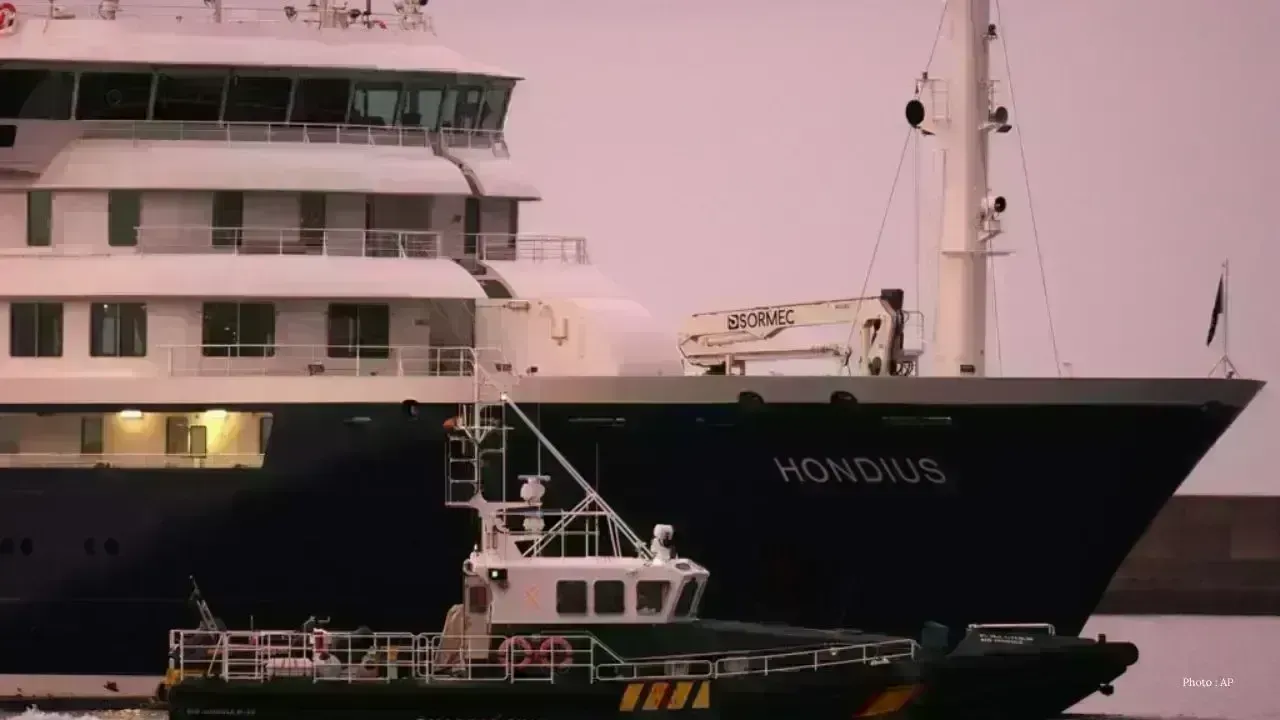
According to the Office of the Provincial Health Officer in British Columbia, the Yukoner was discharged from the hospital late last week. This infection was connected to an outbreak of Andes hantavirus reported on the MV Hondius earlier this year.
Three additional Canadians believed to have been exposed have been carefully isolating since last month, maintaining a 42-day quarantine period as a precaution against the illness.
These individuals likely encountered the virus while onboard the expedition cruise ship that traveled from Argentina to Antarctica, with the outbreak tracing back to events after April 1, following visits to remote islands in the South Atlantic.
This outbreak is significant due to the rarity of Andes hantavirus, which is linked to rodents and can cause serious respiratory illness. Health authorities noted that there’s a slight potential for human-to-human transmission in close-contact scenarios, leading to adherence to precautionary health measures.
Health officials in British Columbia are collaborating closely with federal public health agencies to monitor the evolving situation. Their precautionary measures aim to minimize transmission risks and promote early detection of any symptoms.
The Public Health Agency of Canada has reassured the general population that the risk from this outbreak remains low. Officials have reaffirmed that there’s no evidence of widespread community transmission, highlighting that the situation is currently contained.
In response to the reported cases aboard the MV Hondius, health authorities have initiated contact tracing efforts to monitor individuals who may have been in close contact with those affected by the virus. Such measures are routinely carried out for rare infectious diseases where there is a risk of human transmission.
Medical experts have described symptoms of hantavirus, which may include fever, fatigue, and muscle aches, as well as severe breathing difficulties in critical cases. While there’s no specific antidote available, early detection and adequate medical support can significantly enhance recovery rates.
The recovery of the Yukon patient is seen as a positive outcome as monitoring of the other quarantined individuals continues. To date, no new cases related to the cruise ship outbreak have been reported.
Public health experts encourage travelers and healthcare professionals to remain vigilant for signs of rare infectious diseases, particularly post-international travels, emphasizing the need for timely reporting and intervention.
With one individual fully recovered and no symptoms reported among others, health authorities maintain that the current risk to Canadians is low. Ongoing monitoring is planned until the quarantine period concludes and officials finalize their evaluation of the outbreak.
Stay tuned with us for timely updates on this matter.


 English