Post by : Saif
Al-Najjar
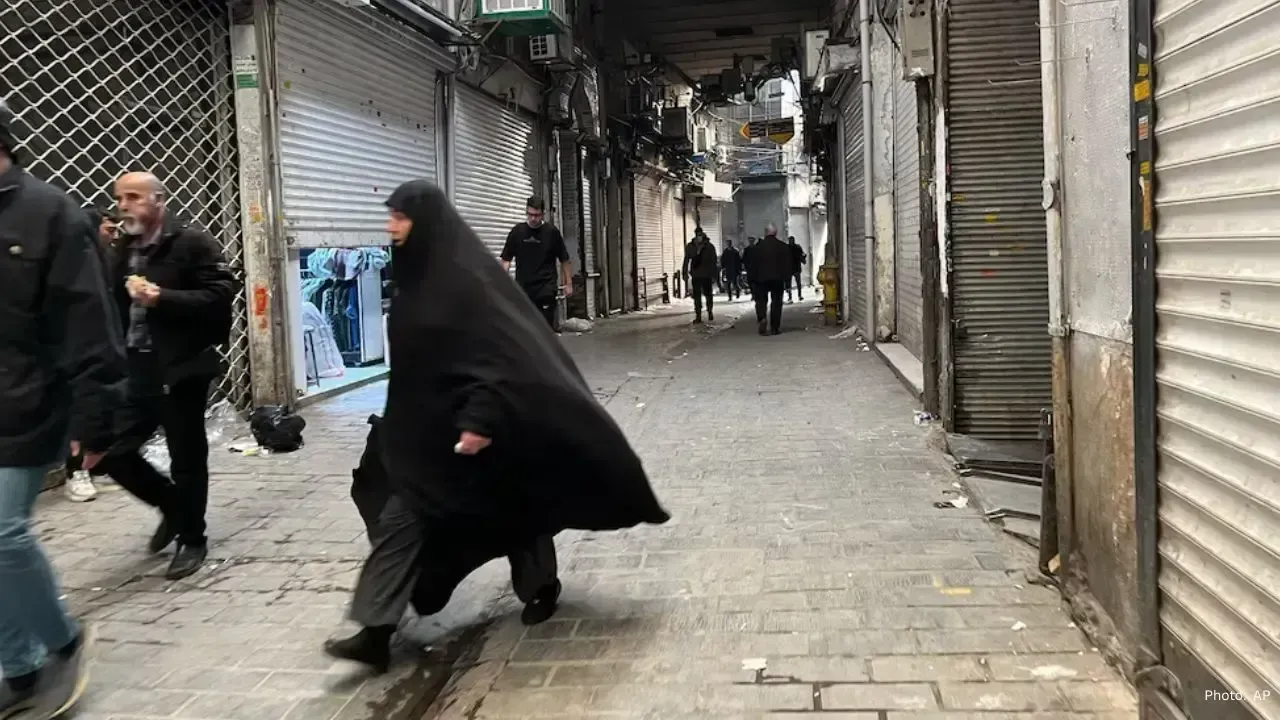
Iran finds itself amidst rising tension and uncertainty. Protests are sweeping the nation, fueled by economic hardship, public discontent, and longstanding political grievances. Concurrently, the recent U.S. military operation in Venezuela has caught the attention of many Iranians. Despite the geographical distance, this event has profoundly influenced public sentiment regarding Iran's future.
The U.S. recently executed a military strike in Venezuela that resulted in the capture of President Nicolás Maduro—a key ally of Iran. Iranian authorities have condemned this act, deeming it illegal and hazardous. Following the incident, Iranian state media quickly criticized the U.S., warning that such maneuvers disrupt global stability and violate international norms.
On the ground, everyday Iranians are speculating on the implications of the U.S. action for their own nation. In shops, homes, and workplaces, many are posing a pressing question: if the U.S. can intervene against a foreign leader, could Iran be next? This fear is amplified by Iran's existing vulnerability due to external pressures.
These anxieties emerge as Iran grapples with serious internal discontent. Protests have erupted across various cities owing to high living costs, escalating unemployment, and a declining currency. For many families, daily existence has become more challenging, transforming frustration into visible dissent. Security forces have reacted strongly, leading to clashes that have further heightened public tension.
The apprehension surrounding possible foreign intervention adds complexity to this unrest. Many Iranians recall recent regional conflicts involving attacks on military figures and nuclear facilities, fostering a sense of insecurity. Some believe Iran's top leadership is heightening security protocols in response to these threats.
The situation poses a delicate balancing act for the government. Officials assert that the protests are incited by foreign adversaries while striving to project authority in the face of outside pressures. Simultaneously, the prevailing public sentiment leans toward anxiety rather than confidence, even within supportive circles who worry about the nation’s safety and stability.
Experts note that while Iran and Venezuela vastly differ, the psychological consequences of U.S. actions resonate deeply. This incident serves as a reminder of how international politics can directly impact local lives. Whether the fear aligns with reality or not, it shapes public perceptions, protests, and responses to authority.
As the demonstrations persist and global tensions escalate, Iran confronts a precarious juncture. The nation is navigating internal anger and external fears simultaneously. The forthcoming actions of its leaders and the conduct of international powers will be crucial in determining the outcome in this already volatile region.


 English