Post by : Saif
Al-Najjar
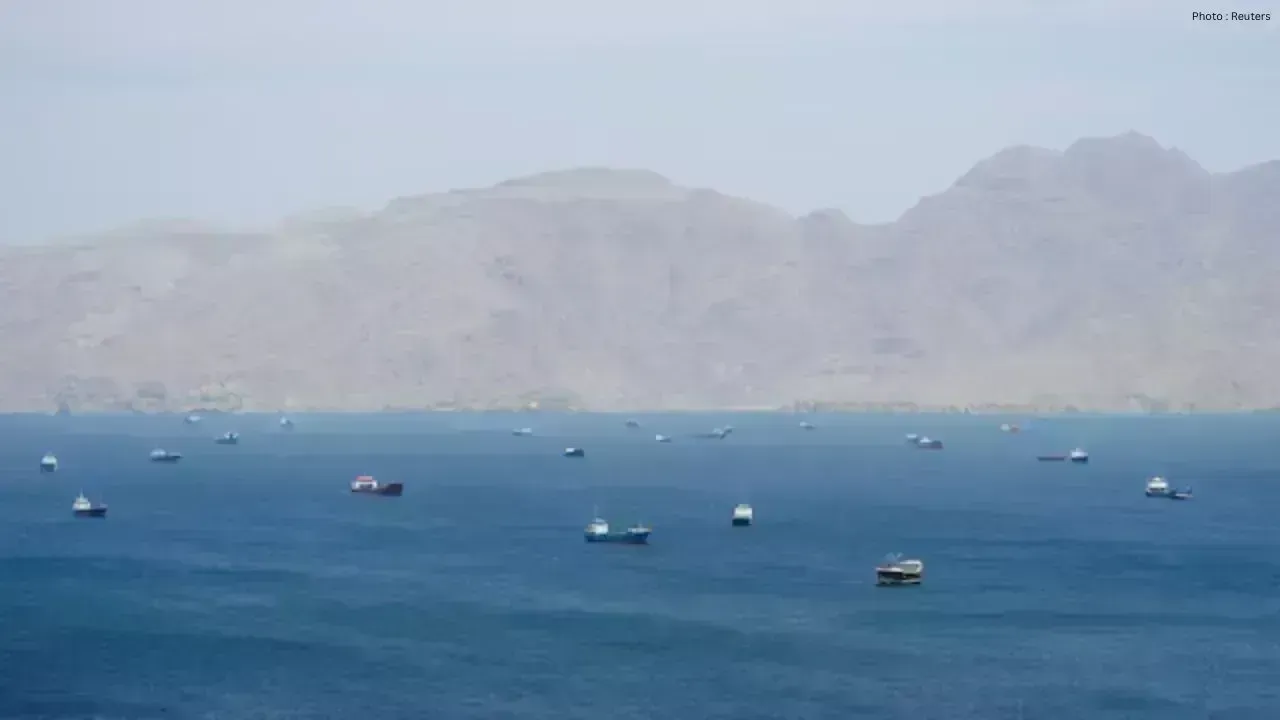
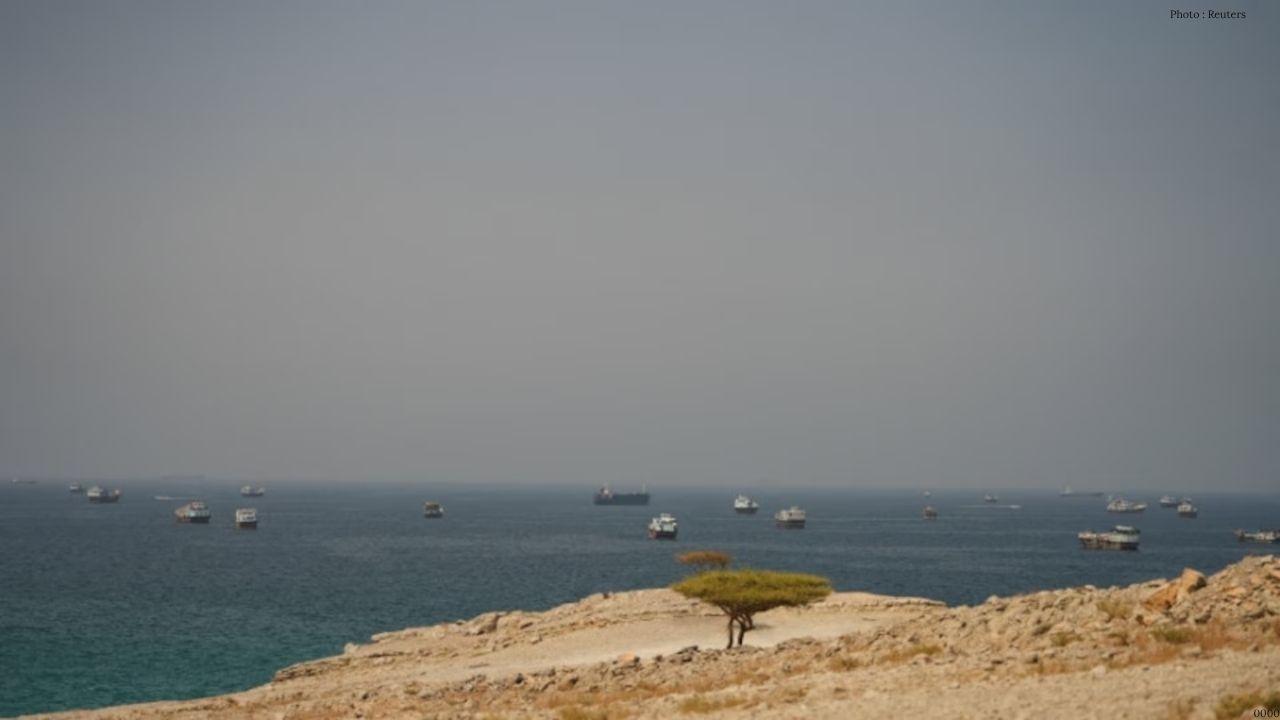
Shipping traffic in the Strait of Hormuz continues to decline sharply as the discord between the US and Iran remains unresolved. This stagnation is prompting concerns over oil supplies, critical trade routes, and the global economy.
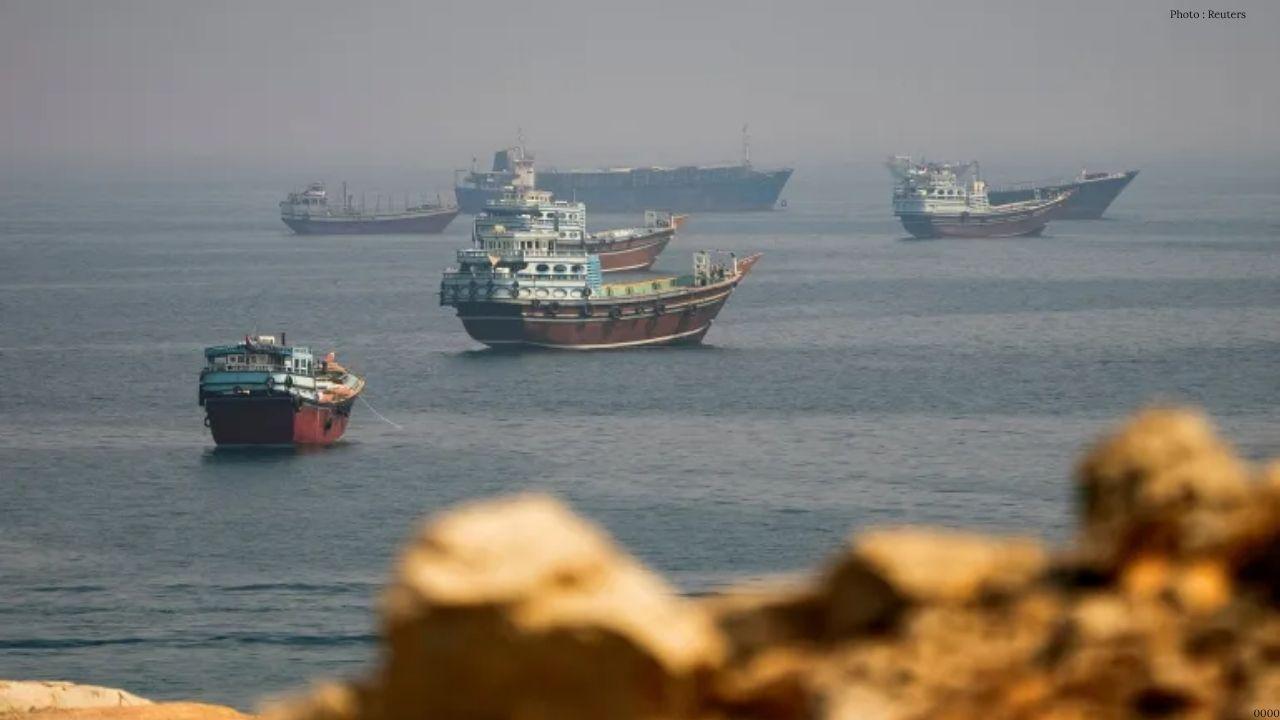
Current reports reveal that only a limited number of vessels transit this strategic route daily. In the pre-conflict era, around 130 to 140 ships navigated these waters, but that number has plummeted significantly.
The Strait of Hormuz serves as a vital artery for global oil and gas movement. A slowdown in maritime traffic influences energy availability and escalates costs for nations reliant on imported resources.
The primary factor behind this shipping decline is the protracted tensions and absence of consensus between the US and Iran. The US has instituted a naval blockade affecting Iranian ports, while Iran has fortified its control over the Strait, creating perilous conditions for commercial navigation.
Due to these heightened risks, numerous shipping firms are opting to steer clear of the area. Safety concerns, soaring insurance premiums, and military uncertainties compel these companies to reassess their logistics.
The ramifications are being felt globally, as reduced oil carriage leads to limited supply, triggering price hikes. These increased energy costs ripple through the economy, raising prices of goods and services and affecting daily living.
Although attempts to rekindle negotiations have been made, a clear agreement appears elusive. Disparate demands regarding nuclear issues and security continue to impede progress and exacerbate tensions.
This shipping downturn illustrates that even a temporary ceasefire does not restore trading conditions swiftly. Trust levels are diminished, and businesses remain hesitant to operate normally until a stable environment is established.
Moreover, a significant count of ships is currently stranded or delayed in the region, leading to prolonged wait times for their crews, contributing further to the crisis' human and economic toll.
This scenario reveals the crucial role of the Strait of Hormuz in international trade dynamics. Disruptions in this narrow passage can impact energy markets, supply chains, and economies worldwide, underlining the interconnectedness of global trade.
While various nations work towards fostering dialogue and diminishing tensions, without a concrete agreement shipping activities through the Strait are likely to remain constrained.
This ongoing crisis underscores how essential global stability is and highlights the necessity of cooperation and open channels of communication. Until a resolution is finalized, the repercussions of decreased shipping and increased energy prices are expected to persist.


 English