Post by : Mikhael
Al-Saeed
5 Critical Signs of Skin Cancer You Should Never Overlook
Skin cancer ranks among the most prevalent types of cancer globally, yet many individuals overlook its early indications. Initially, skin cancer may appear innocent—a small blemish, a changing mole, or a dry area on your skin. Due to their seemingly benign nature, these signs are frequently disregarded. Healthcare professionals emphasize that delaying attention can allow cancer to infiltrate deeper layers of skin, complicating later treatment.
Experts contend that early detection makes a significant difference. Identifying skin cancer in its initial stages simplifies treatment, speeds up recovery, and greatly increases the likelihood of a complete cure. It's crucial to recognize the early warning signs.
Here are five key warning signs to never ignore.
1. A New or Altered Mole
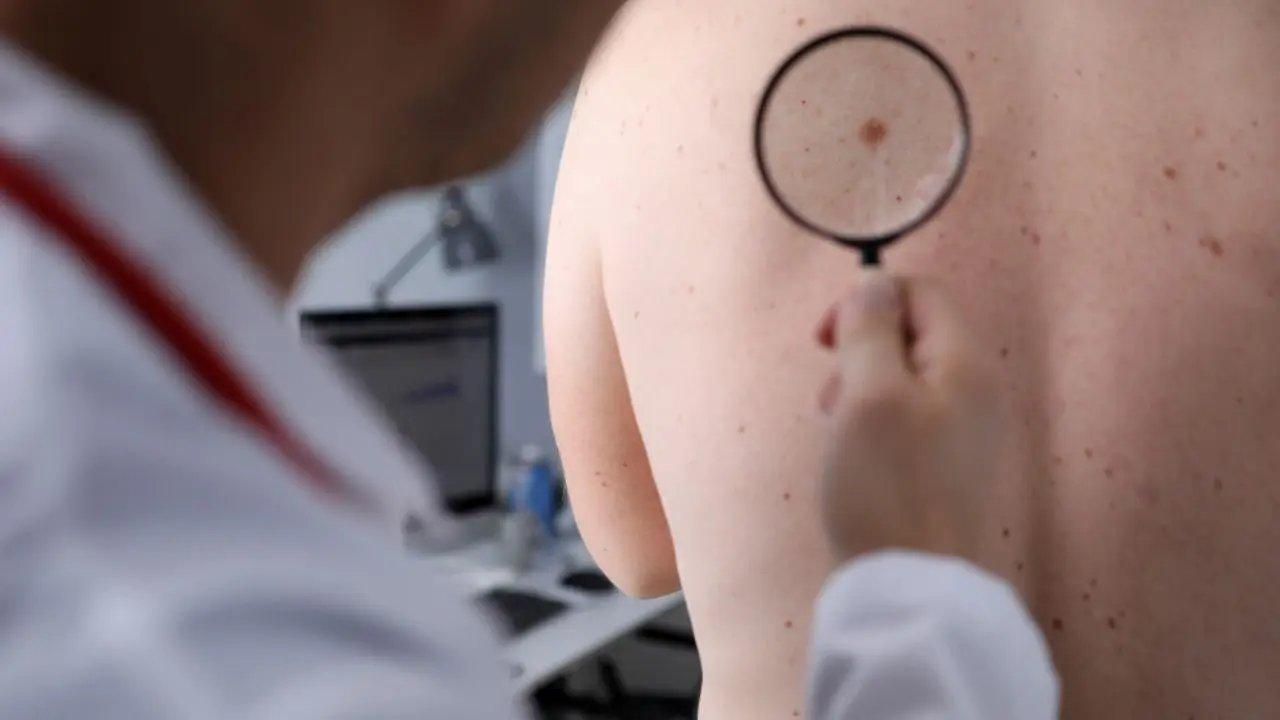
Most people have moles, typically harmless. However, a new mole—or one that suddenly changes—should arouse your concern.
Keep an eye out for:
-
A mole that lacks a round shape or appears uneven
-
Edges that seem rough or irregular
-
A mole exhibiting multiple colors such as brown, black, red, or grey
-
A mole that grows progressively larger
-
A spot that stands out among your existing moles
Healthcare professionals refer to this as the “ugly duckling sign,” indicating a mole that diverges from the others.
2. Persistent Sore or Wound
Most minor cuts and scrapes heal within days. However, a sore lingering for three to four weeks could indicate skin cancer.
Signs to monitor:
-
Repeated bleeding from the sore
-
It forms a crust but does not heal
-
It appears to heal but reopens
-
Continuous pain or itching
Cancer cells can hinder normal healing, so any sore that lingers should be addressed by a physician.
3. Unusual Itching or Burning Patch
Skin cancer doesn’t always manifest as a raised mole; it can also show up as a flat area that feels unusual.
Be cautious of:
-
A rough, dry, or scaly spot
-
A red or irritated area
-
A recurring spot in the same location
-
Ongoing itching or burning sensations
These symptoms can often be mistaken for eczema or allergies; if they don’t improve in a few weeks, seeking medical advice is wise.
4. Growing Bump or Lump
A new bump—particularly one that’s shiny, firm, or enlarging—may indicate early-stage skin cancer.
Serious signs include:
-
A shiny, pearl-like lump
-
A firm and raised structure
-
A lump that easily bleeds
-
A bump that continues to grow
These lumps frequently form on sun-exposed areas such as the face, ears, neck, chest, or back.
5. Alterations to Existing Moles (ABCDE Rule)
An existing mole can turn hazardous; if any changes occur, it must raise concern.
Doctors apply the ABCDE rule for identifying perilous moles:
-
A – Asymmetry: One half appears different from the other
-
B – Border: Uneven or unclear edges
-
C – Colour: Exhibits multiple or darker shades
-
D – Diameter: Greater than 6 mm, about the size of an eraser
-
E – Evolving: Any shift in size, form, color, or behavior
If a mole begins to bleed, itch, or rise, it should be examined without delay.
Increasing Incidence of Skin Cancer
Many factors are contributing to a surge in skin cancer cases:
-
Extended exposure to intense sunlight
-
Irregular sunscreen application
-
Frequent use of tanning beds
-
Residents in hot or tropical regions
-
Compromised immune systems
-
Family history of skin cancer
Individuals working outdoors or spending significant time in the sun face heightened risk.
Reducing Skin Cancer Risk
Skin cancer is often preventable through straightforward daily habits.
Experts suggest:
-
Daily sunscreen application with SPF 30 or higher
-
Avoid direct sun exposure during peak hours (10 AM to 4 PM)
-
Wear protective clothing, hats, and sunglasses
-
Conduct monthly skin checks for new or changing spots
-
Visit a dermatologist once yearly for comprehensive skin assessments
When to Consult a Doctor
Seek medical advice if you observe:
-
A concerning mole or spot
-
An unhealed wound
-
Rapid changes in a mole
-
A new area of irritated or itchy skin
-
Family history of skin cancer
Timely diagnosis can avert severe complications.
Skin cancer frequently starts quietly, often without pain or clear symptoms, making awareness crucial. Recognizing early signs—such as changing moles, persistent sores, unusual patches, or enlarging bumps—can facilitate early intervention, securing your health.
Your skin safeguards your entire body. Paying attention to small alterations today can help preserve your health in the future.
Disclaimer
The information in this article aims for general awareness and should not substitute professional medical advice, diagnosis, or treatment. Skin changes can arise from various factors, and only a qualified dermatologist or healthcare provider can confirm the origin. Prompt medical assistance for new moles, non-healing sores, or any unusual skin changes is critical for ensuring proper care.


 English