Post by : Anis
Al-Rashid
A Major Shift in Daily Transactions
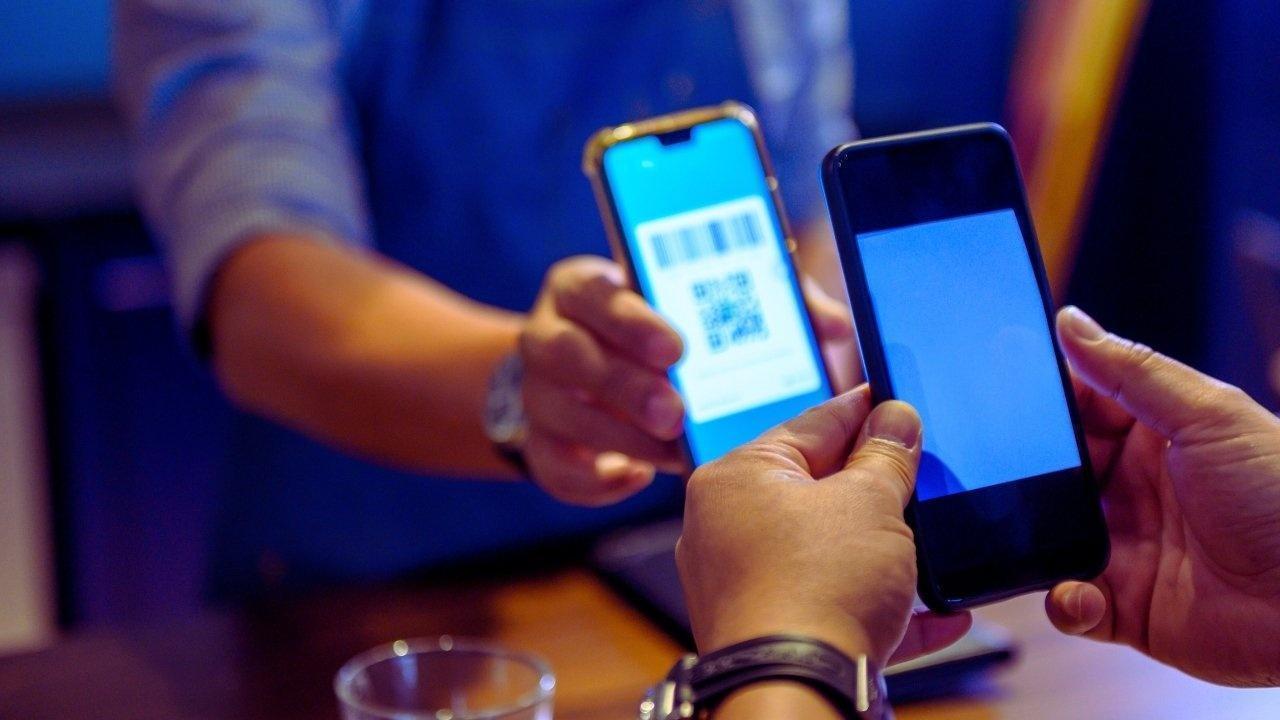
In recent years, transactions have increasingly moved toward digital channels, either through local shops or established retail chains. Cashless payments, whether through mobile wallets, card taps, or QR codes, have become a staple for everyday purchases. The need for contactless transactions surged during the pandemic, leading to a quicker adoption of digital methods by consumers and businesses alike.
Yet, the recent instances of payment system failures—including technical glitches and network overloads—have presented a stark reminder of our reliance on these digital infrastructures. Simple tasks like buying groceries or paying for transport can come to a standstill when systems fail. These outages reveal our dependence on digital solutions, while also highlighting their inherent vulnerabilities.
The Digital Dependence of Daily Spending
Most individuals don't recognize the extent of their dependence on digital payments until a disruption arises. Daily habits—like acquiring morning drinks, grocery shopping, or commuting—have become intertwined with mobile payment systems and banking apps. Cash is now seen as cumbersome and often inconvenient in this landscape.
The trend is propelled by the desire for speed and ease; users seek efficient checkouts and secure ways to manage their finances. The frictionless experience of digital transactions has transitioned from preference to expectation.
However, such a dependence means that disruptions can create significant inconveniences.
Revelations from Recent Outages
Recent interruptions in payment systems reshaped everyday activities for many. Transactions faltered, QR codes malfunctioned, and users faced inordinate delays—challenges that bred frustration among those accustomed to seamless payments.
Key takeaways highlighted the fragile nature of digital payments, which hinge on various interlinked systems. A breakdown in one—be it networks, banks, or apps—can lead to widespread failure of transactions. Furthermore, fewer people now carry cash as a backup. With many relying solely on a single application, when it encounters issues, so do their daily routines.
These interruptions have sparked critical discussions about our automated lives reliant on digital finance. How robust are we in the face of sudden disruptions?
Emotional Responses to Payment Issues
While seemingly trivial, payment failures can elicit intense stress. A declined transaction in a queue or when attempting to board public transport can lead to panic. The primary concern shifts from the price of the goods to feelings of being stranded or embarrassed.
Such emotional reactions underscore how digital payments have become essential to our daily stability. When trust in these systems falters, even momentarily, it can unsettle our sense of security.
The Decline of Cash Reserves
Historically, cash was the ultimate backup. Currently, however, many individuals seldom carry it. Weeks can pass without cash withdrawals, and ATMs are frequented less often as some individuals may not even recall their PIN.
The convenience of digital options has relegated cash to an afterthought. During payment failures, those with cash reserves could navigate their day more effortlessly. In contrast, others found simple purchases challenging.
These disruptions remind us that while digital payments offer efficiency, cash still plays a vital role during emergencies.
Daily Activities and Digital Payments
A significant portion of daily activities now hinges on digital transactions. When these systems falter, the ensuing disruption becomes evident:
These interruptions affected people's routines, illustrating the deep integration of digital payments in everyday life.
Challenges for Small Entrepreneurs
Many small businesses now primarily rely on digital payments for transactions. Vendors such as street food sellers and local grocery shops often opt for QR payments, minimizing cash handling risks and simplifying bookkeeping.
Payment failures led to a marked decline in customers for these vendors. Customers either walked away due to lack of cash or stood idly, hoping the system would recover. These incidents showcase the dual-edged nature of digital payments; although they empower businesses, they simultaneously create blind spots when systems malfunction.
Adapting to Hybrid Payment Models
After facing several disruptions, consumers are now exploring a hybrid approach: using digital payments for ease while retaining a small cash supply for emergencies. This subtle but meaningful shift marks a transition from entirely cashless living.
Many households have begun maintaining small caches of cash for emergencies, while commuters now carry spare coins. Workplaces are also encouraging a mixed-method payment strategy. Collectively, these changes demonstrate how recent payment failures have influenced consumer behavior without reversing the trend towards digitalization.
The Importance of Digital Proficiency
Disruptions also highlighted the increasing need for digital literacy. Many users relying solely on payment applications are frequently unaware of alternative methods such as switching apps, utilizing offline functionalities, or generating codes without an internet connection.
As outages occur more frequently due to rising user volumes, understanding various payment options is becoming a necessary skill. Families are encouraging older generations to familiarize themselves with multiple payment systems to avoid being stranded when disruptions arise.
Budgeting in a Cashless Age
Payment failures unveiled the extent to which many families depend on apps for expense tracking. System outages resulted in lost access to transaction records, creating confusion for households managing tight budgets.
In today’s cashless landscape, budgeting applications offer reassurance. However, when these applications experience glitches, households grapple with uncertainty regarding their financial status. This situation accentuates the importance of having offline records, especially for essential monthly expenditures.
Young Generations and Their Adaptations
Younger demographics are typically the most at ease with digital transactions, but even they felt the brunt of payment disruptions. Many acknowledged the necessity of maintaining alternate cards, small amounts of cash, or multiple payment apps for added security.
For students living on fixed budgets, payment failures can disrupt access to meals, transport, or accommodation costs. This has prompted a reevaluation of their preparedness levels, despite a preference for cashless transactions.
Nonetheless, young people display resilience, quickly adapting by switching between applications, using card options, or borrowing from friends. Their adaptability could play a significant role in guiding the societal transition through payment challenges.
Device Dependency and Battery Issues
Payment disruptions have also brought device reliance into sharp focus; a payment system becomes ineffective if one's phone dies. Numerous individuals found themselves unable to complete transactions not merely due to app failures, but because their mobile battery ran out.
This has prompted discussions around the practical necessity of carrying portable chargers, limiting battery drain from background applications, and storing crucial information offline.
In a cashless existence, a working phone is nearly as vital as cash itself.
Business Adaptation to Disruptions
Businesses are taking proactive measures to prepare for potential disruptions. Many shops that previously relied solely on QR payments are now maintaining a card terminal as backup. Others retain a small cash reserve for emergencies, and some are even offering deferred payment options to regular customers during outages.
This evolution signifies a maturing market; companies understand that the transition to cashless must include strategies for dealing with potential setbacks.
Enduring Dependence Despite Challenges
Despite the challenges posed by outages, society will not revert to cash-centric models. The advantages of digital payments surpass the occasional inconveniences; additional speed, cleanliness, and transparency reinforce user preference.
Instead of reversing the trend, disruptions prompt more prudent behaviors. People are carrying emergency cash, utilizing multiple payment methods, and being better prepared.
Future-Proofing Our Payment Culture
In the evolving landscape of cashless living, the key will be maintaining a balanced approach. Digital payments are here to stay, and there will be more opportunities as technology evolves. Yet, lessons drawn from payment disruptions emphasize the importance of preparedness.
Striking a balance means enjoying the ease of digital payments while acknowledging that no system is infallible. It entails trusting technology while remaining equipped for unexpected disruptions.
As we delve deeper into a cashless future, these careful habits will foster smoother daily operations.
Disclaimer:
This article discusses lifestyle changes and financial habits and should not be construed as financial advice. Readers should evaluate their circumstances when selecting payment options or budgeting methods.


 English