Post by : Shweta
In a decisive move, China has proposed a lasting ceasefire in West Asia and highlighted the urgent need for reopening vital international shipping lanes as regional tensions impact global trade, oil prices, and overall security. Chinese diplomats stressed that a stable maritime environment is essential for minimizing economic repercussions and mitigating the possibility of broader international conflicts.
This call surfaced during prominent diplomatic engagements between Chinese leadership and global officials amid rising concerns over ongoing regional conflicts. The Foreign Ministry of China expressed support for a “comprehensive and enduring ceasefire” as opposed to temporary ceasefires, arguing that only enduring political discussions will usher in regional security.
Additionally, China underscored the necessity of reopening critical shipping routes “without delay,” focusing particularly on waterways connected to the strategic Strait of Hormuz and the Red Sea, known for being vital conduits for global commerce, especially oil and gas.
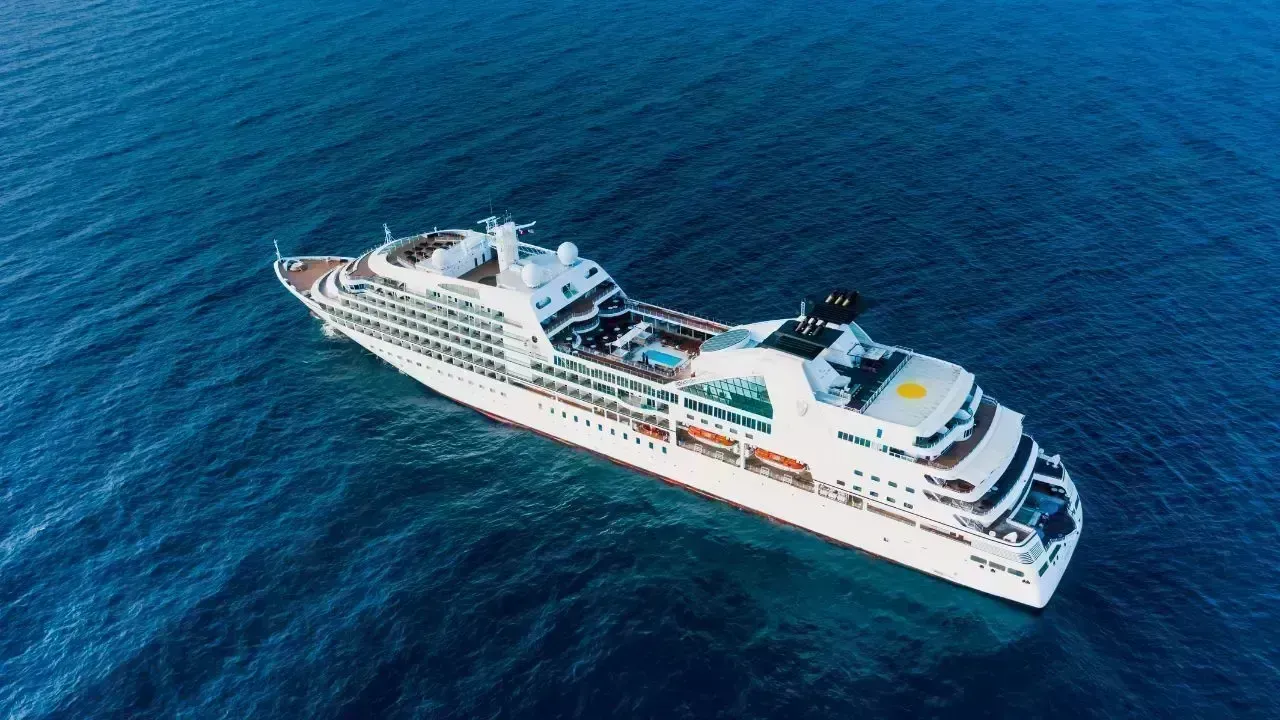
Current conflicts in the region have led to significant interruptions in maritime trade and energy markets. Shipping firms are grappling with climbing costs for insurance, postponed cargo deliveries, and security risks stemming from assaults on commercial shipping as well as naval tensions in the Gulf region. Reports indicate that several global shipping companies are either reducing or halting routes through high-risk areas due to safety concerns.
Chinese representatives cautioned that ongoing instability in West Asia could gravely impact the global economy, particularly in developing nations reliant on energy imports and stable trading conditions. Beijing affirmed that freedom of navigation should be safeguarded and urged all participants to refrain from actions that might worsen military hostilities or jeopardize commercial shipping.
These remarks arise amidst heightened international worries over the safety of navigation through the Strait of Hormuz, where rising tensions related to Iran, Israel, and the United States have interfered with regular maritime operations. Reports suggest a notable decline in shipping traffic through certain Gulf regions during times of military escalation, which has led to pressure on oil pricing and global supply chains.
China has positioned itself as a proponent of diplomatic approaches and multilateral dialogue concerning the Middle East, indicating that its increasing involvement underscores both economic motivations and growing political sway in the area. China heavily depends on oil imports from the Middle East, making the security of shipping lanes crucial for its economic health and energy assurance.
Political analysts perceive the latest statement from China as part of its broader objective to assert itself as a diplomatic leader capable of mitigating global tensions. Beijing has expanded its political and economic alliances in the Middle East in recent years, advocating for dialogue instead of military engagement.
Meanwhile, global markets are closely monitoring developments in the Gulf region, as extended disruptions of shipping routes could influence fuel pricing, inflation, and worldwide trade. Energy specialists note that the Strait of Hormuz is responsible for a substantial fraction of global oil exports, making it one of the world’s most strategically crucial passageways.
Chinese officials reiterated that dialogues, ceasefire agreements, and international collaboration constitute the realistic pathway toward reestablishing stability in the region. They also called for all involved parties to avoid escalation and join efforts to reopen essential shipping lanes, facilitating economic recovery and global trade security.


 English