Post by : Shweta
Alberta's Premier, Danielle Smith, has articulated her skepticism regarding a proposed southern pipeline route intended to connect Alberta and British Columbia. This comes in light of federal discussions about opting for a southern corridor rather than a northern alternative.
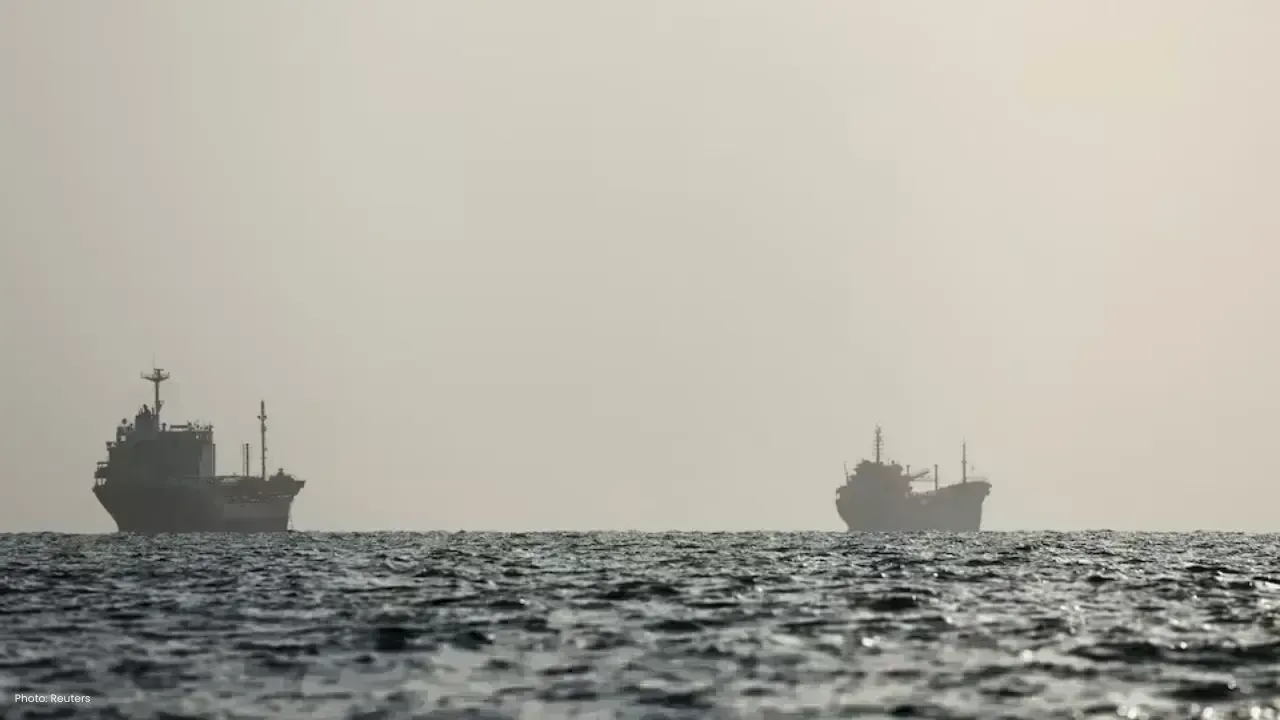
During a recent news conference, Smith expressed worries over port capacity and congestion along the southern route, particularly near Vancouver. She drew attention to the existing pressure on regional infrastructure, especially with the growing tanker traffic associated with the Trans Mountain pipeline expansion.
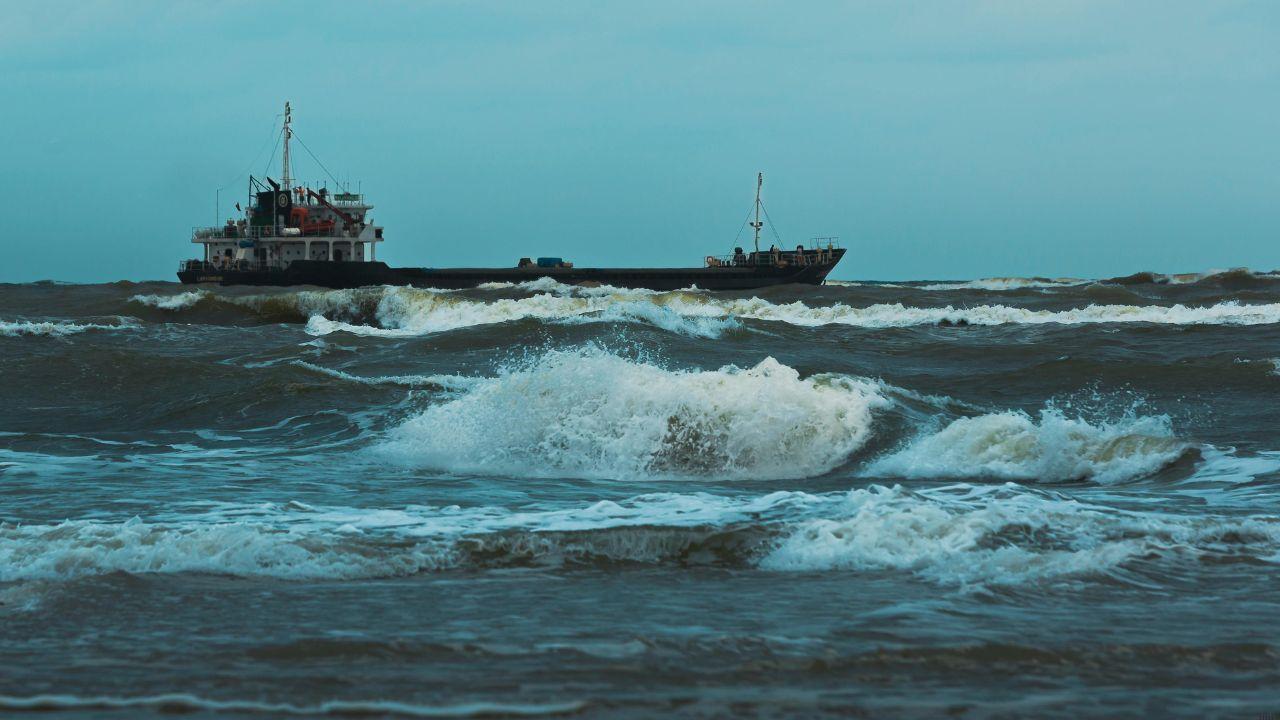
Concerns have previously emerged regarding the number of oil tankers navigating busy shipping lanes due to the Trans Mountain project. With potential increases in export volumes, Smith questioned the capability of southern ports to manage additional traffic in a safe and efficient manner.
The Premier emphasized Alberta's interest in pursuing a route that connects to a deep-water port, which could offer fewer navigation hurdles and quicker access to international markets, particularly in Asia. According to Smith, locations along the northern coast might present better logistical benefits, leading to reduced shipping times and decreased congestion.
Among the locations being explored is Prince Rupert, noted for its deep-water port and advantageous trade routes across the Pacific. Smith noted that such routes could enhance transit times for shipments, improving overall energy export efficiency.
This pipeline proposal underpins a broader energy pact between Alberta and the federal government, which involves increasing oil export capacity and investing in carbon capture and storage initiatives. Nonetheless, the project would hinge on regulatory revisions, potentially requiring amendments to laws that currently limit oil tanker operations along parts of northern British Columbia's coastline.
It has been suggested that a southern route might encounter fewer environmental and political hurdles compared to northern counterparts, which have consistently faced opposition from Indigenous communities and environmental activists. Nevertheless, Smith highlighted the importance of ensuring long-term infrastructure capacity and efficiency while determining the final route.
The discourse surrounding the pipeline underscores the ongoing struggles to reconcile economic growth, environmental considerations, and infrastructural planning within Canada’s energy landscape. As discussions progress, both provincial and federal authorities will likely consider multiple aspects before confirming the project’s path.


 English