Post by : Meena
Hassan
In a significant diplomatic move, Thailand’s Defence Minister plans to engage in high-stakes discussions with Cambodian officials on Saturday, December 27. This effort comes as deadly clashes along the common border have persisted for weeks, putting both countries' relations under considerable strain and prompting a dire humanitarian situation.
Thai Prime Minister Anutin Charnvirakul expressed optimism that the defence minister's presence might facilitate a breakthrough in negotiations, potentially leading to a new agreement grounded in the commitments established in a prior ceasefire that followed violent encounters in July. This initial ceasefire was later expanded in October to enhance stability along the long-disputed border.
Anutin reiterated that any forthcoming agreement must focus on mutual restraint and accountability. He called on both sides to avoid provocative military maneuvers, hostile rhetoric, and any actions that could escalate tensions. According to him, rebuilding trust is critical to achieving stability and ensuring peace in the border communities impacted by this ongoing conflict.
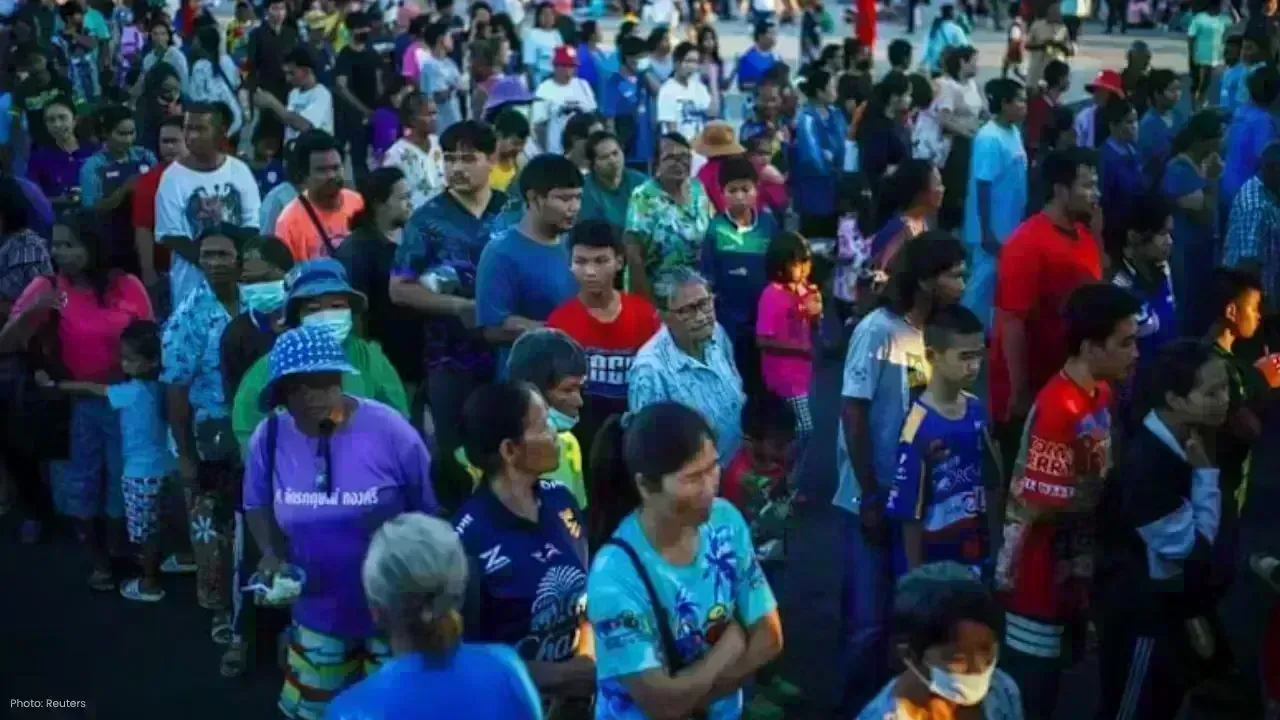
Officials from Thailand and Cambodia have resumed talks at a significant border crossing since Wednesday, though skirmishes continue to underscore the precarious situation. Renewed violence erupted in early December after the previous ceasefire faltered, resulting in over 98 fatalities and displacing more than 500,000 civilians.
Despite ongoing diplomatic initiatives, neither regional nor international efforts have yet yielded substantial outcomes. Previous attempts led by ASEAN have been unable to stop the violence, despite the organization’s role in previous ceasefire negotiations. Similarly, diplomatic overtures from major global powers have struggled to effect a meaningful halt to hostilities.
China has recently increased its involvement, advocating for an immediate end to the fighting between Thailand and Cambodia. Beijing’s special envoy for Asian affairs has visited both countries in recent days to urge dialogue and exercise restraint, emphasizing the potential for wider regional instability.
Both nations have leveled accusations against each other concerning the collapse of earlier agreements, exacerbating mutual mistrust. This conflict traces back to historical disputes over parts of their 817-kilometre land border, which have frequently ignited tensions over the years. The most recent combat has extended across various territories, from inland forest regions near Laos to coastal provinces.
With the humanitarian crisis worsening, thousands of families are displaced and struggling with food, shelter, and healthcare shortages. As hopes for a de-escalation rest on these defence-level discussions, the aim is to achieve a lasting ceasefire, reduce casualties, and enable displaced individuals to return to their homes safely.


 English