Post by : Shakul
High-level diplomatic discussions took place between China and Iran in Beijing, addressing ongoing tensions in the Middle East, particularly around the Strait of Hormuz, a significant global concern. Iranian Foreign Minister Abbas Araghchi and Chinese Foreign Minister Wang Yi convened on Wednesday morning, marking an essential moment for regional diplomacy and international security conversations.
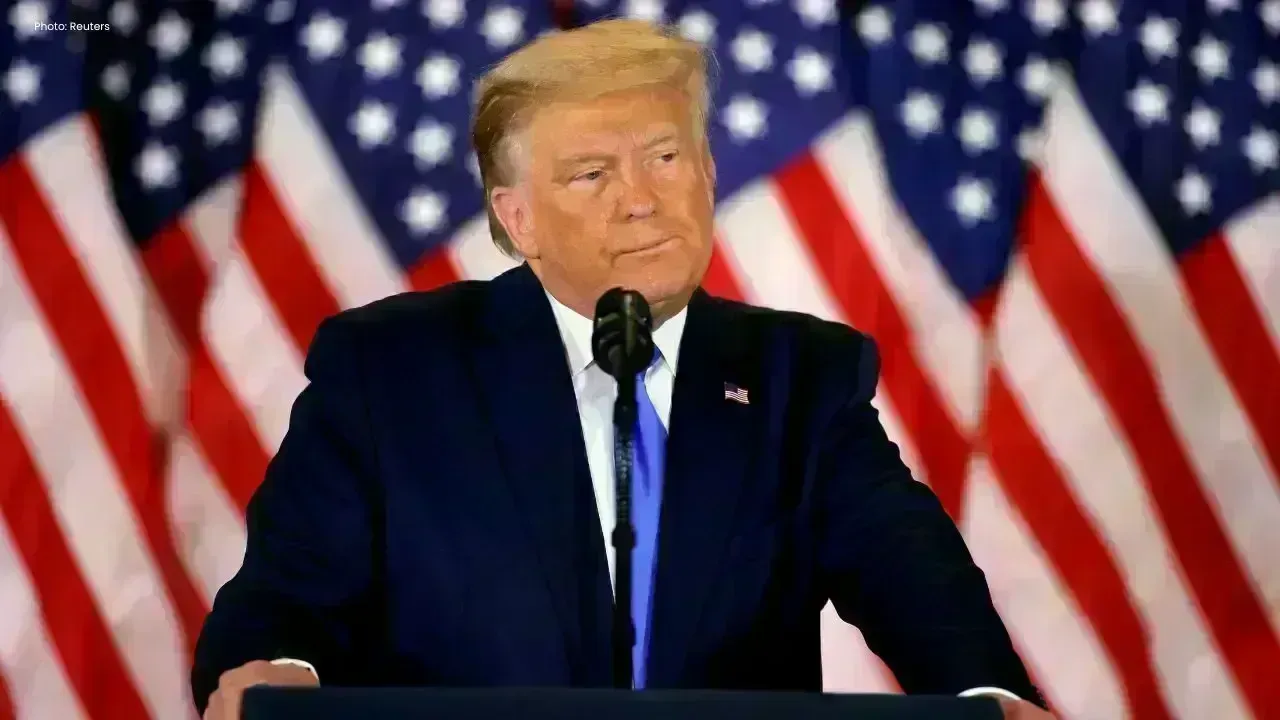
This meeting followed U.S. President Donald Trump's announcement to temporarily pause American operations assisting stranded vessels in the Strait of Hormuz. Trump emphasized this decision aims to create space for potential negotiations with Iran while reinforcing diplomatic efforts to resolve the lingering conflict in the area.
Reportedly, this marks the first visit by Iran’s foreign minister to China since the beginning of the current conflict earlier this year. China stands as a vital economic and political ally to Iran, positioning Beijing as an influential participant in any diplomatic endeavors concerning regional stability, energy security, and maritime safety in the Gulf.
The Strait of Hormuz is recognized as a critically important shipping corridor, handling a substantial part of global oil and gas exports. The ongoing military struggles and constraints in this area have led to disrupted shipping operations, soaring fuel prices, and uncertainty in international energy markets.
Prior to the announcement from Trump, U.S. Secretary of State Marco Rubio expressed optimism that China would leverage its relationship with Tehran to facilitate the reopening of maritime routes and ease tensions in the region. Rubio highlighted the precarious nature of the Gulf situation for civilian sailors and commercial vessels caught amid the conflict.
Despite recent drone and missile attacks reported near the United Arab Emirates, U.S. officials assured that a fragile ceasefire between Iran and its adversaries remains effective. Military leaders indicated that recent attacks haven't escalated to major combat levels, although security concerns in the Gulf remain intensified.
Trump noted that discussions with Iranian representatives are yielding positive results and suggested that a potential agreement could stabilize the situation. He also mentioned that various nations, including Pakistan, had encouraged diplomatic measures to evade a broader conflict and ensure secure maritime operations in the Gulf.
Concurrently, China reiterated its appeal for all relevant parties to exercise restraint while supporting diplomatic approaches over military measures. Beijing underlined the necessity of safeguarding international trade routes, ensuring stability in global oil supplies, and adhering to international regulations to prevent further economic and geopolitical disturbances.
International experts believe the dialogues between China and Iran may significantly influence future negotiations involving both the United States and regional stakeholders. As energy prices rise and global shipping faces challenges, world leaders are closely observing the developments surrounding the Strait of Hormuz and diplomatic initiatives aimed at averting a larger Middle East crisis.


 English