Post by : Saif
Al-Najjar
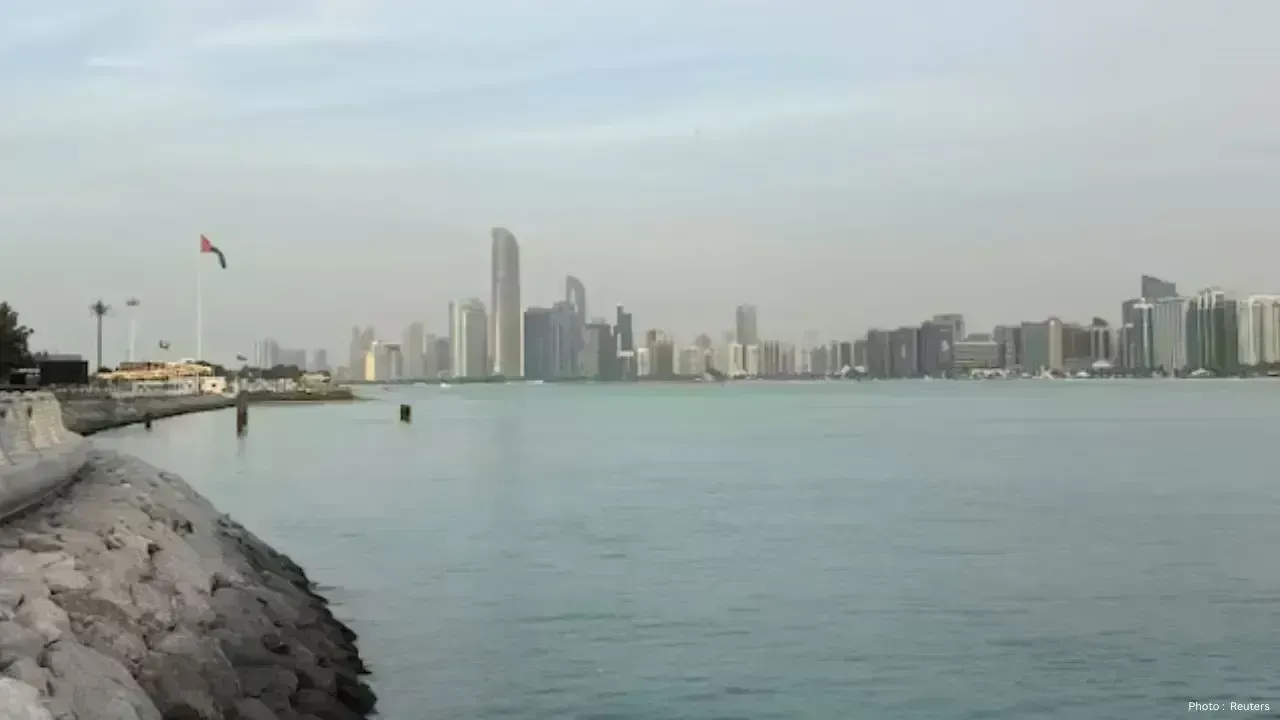
A drone strike targeting the Barakah Nuclear Power Plant in the UAE has sparked heightened concerns regarding safety and security in the region. Officials reported that the incident led to a fire near the facility, fortunately without any injuries or radiation leaks.
This occurrence falls amidst escalating tensions across the area, where conflicts involving significant powers and militant groups have sparked worries about broader instability. As one of the UAE’s pivotal energy projects, the attack attracted international awareness.
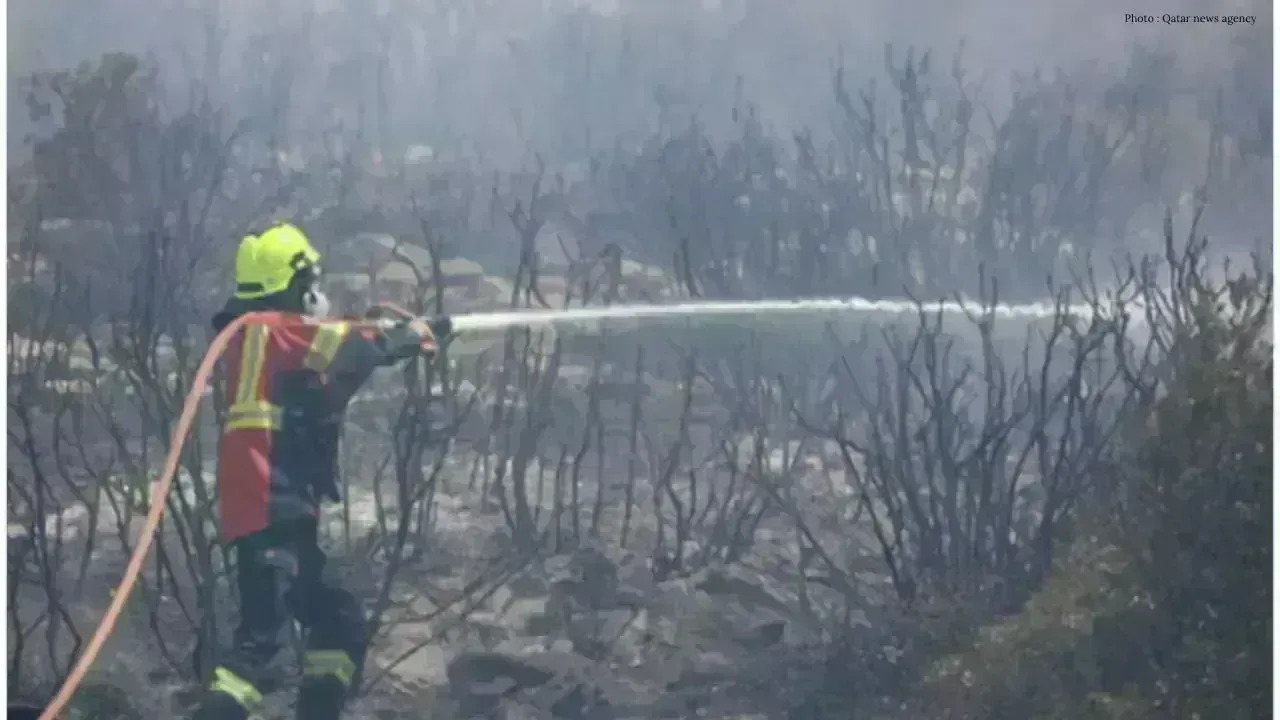
Emergency teams swiftly extinguished the fire and secured the vicinity, with authorities confirming the ongoing safe operations of the nuclear facility. Safety measures effectively functioned, preventing any escalation of the situation.
The Barakah Nuclear Power Plant stands as the Arab world’s first nuclear energy installation, crucial in supplying electricity to the UAE's homes, businesses, and industries. This venture aims to lessen reliance on oil while fostering cleaner, more sustainable energy alternatives.
Despite the assessment that damage from the drone attack was minimal, occurrences near nuclear sites typically evoke public anxiety. There are common fears regarding possible radiation leaks, environmental hazards, and long-term health implications. Officials reassured the community that radiation levels remained stable, ensuring there was no threat to nearby residents.
This event underlines the evolving nature of drone warfare in contemporary conflicts. Drones are increasingly utilized in various global regions as they are more economical and difficult to detect compared to traditional aircraft. In the Middle East, they have been employed to strike airports, oil facilities, ports, and energy installations in recent years.
Experts suggest that such assaults aim not only to inflict physical harm but also to instill fear and deliver political messages. An attack near a nuclear facility attracts immediate global scrutiny due to the inherent risks.
The UAE has made substantial investments in security and defense mechanisms to safeguard critical infrastructure. Nevertheless, this incident illustrates that even the most protected sites are susceptible to threats posed by advanced drone technology.
This attack has intensified anxieties in global energy markets, as the Gulf region is a key player in oil and energy supply. Heightened tensions could influence fuel prices, trading routes, and international business confidence.
Multiple nations are now monitoring the developing situation closely. International observers have called for restraint and urged all parties to refrain from actions that could escalate into a larger regional confrontation. Experts caution that assaults on vital infrastructure can destabilize the region further and undermine economic confidence.
For those living in the region, such incidents breed uncertainty regarding safety and future conditions. Families, employees, and enterprises all rely on a secure environment, and when essential infrastructure becomes a target, public anxiety is understandably heightened.
Simultaneously, the situation underscores the need for diplomatic engagement and communication among countries. Military tensions can swiftly spill over borders, particularly in areas where energy infrastructure is intertwined with the global economy.
The UAE has invested years in cultivating a reputation as a secure hub for tourism, commerce, and investment. Prompt emergency response and transparent communication have helped to mitigate panic following the attack. Nonetheless, this incident serves as a reminder that regional tensions continue to present genuine threats.
Although there were no reported injuries or radiation leaks, the psychological ramifications of the incident are profound. A drone attack near a nuclear facility can globally alarm the public and reignite discussions surrounding regional security.
The Middle East finds itself at a crucial crossroads. Leaders must choose between fostering dialogue and stability or allowing tensions to escalate further, with decisions made in the coming weeks set to influence the region’s trajectory for years to come.


 English