Post by : Saif
Al-Najjar
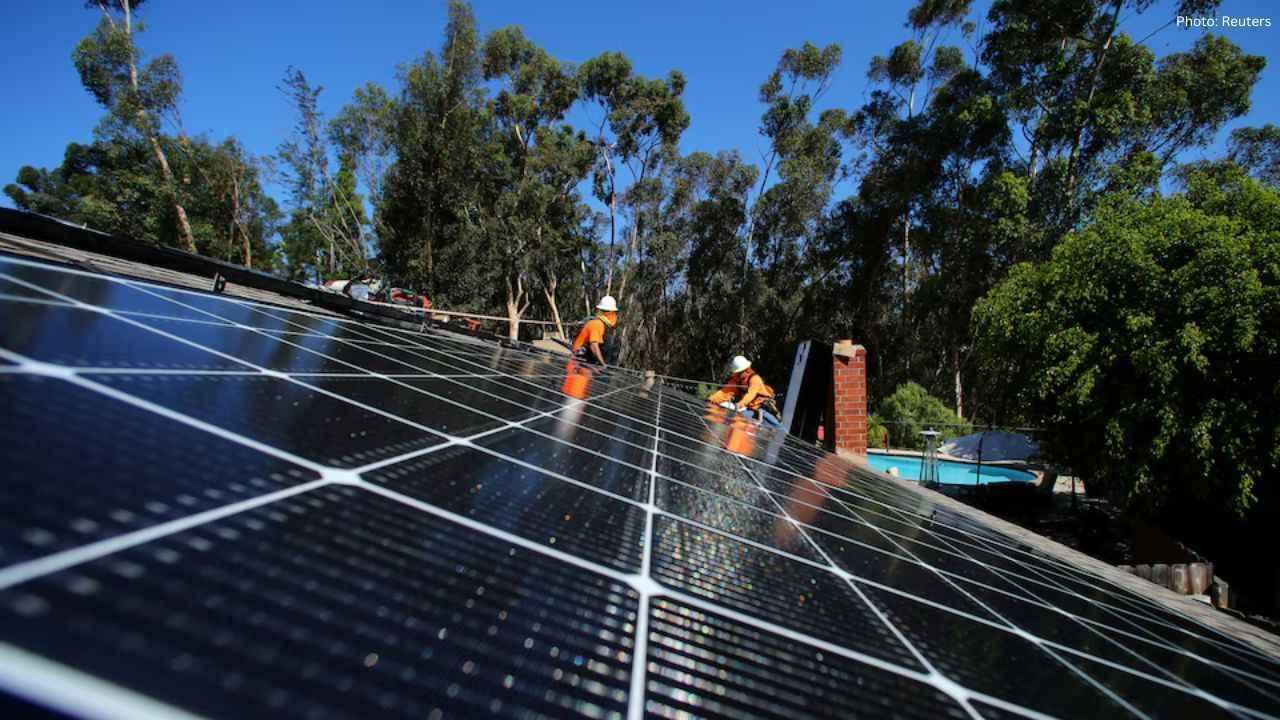
The surge in the global solar revolution is gaining momentum, yet traditionally, it has favored homeowners over renters. Innovative startups are actively working to ensure that apartment residents and low-income households are included in the transition to solar energy. These companies are redefining solar power distribution for a wider audience.
At the COP28 climate summit, nations pledged to triple renewable energy use by 2030, with solar power at the forefront due to its declining costs and simpler installation processes. However, numerous residents living in social housing and flats have faced significant barriers in accessing rooftop solar options due to regulatory and technical constraints.
In the UK, millions reside in apartment complexes equipped with ample unutilized rooftop space. Historically, solar panels were limited to powering communal areas like corridors and elevators, resulting in minimal benefits for residents while most energy was fed back to the grid.
Emergent Energy, a pioneering startup, is reshaping this scenario. Its founder is committed to providing equitable access to clean energy, regardless of socio-economic status. In Hackney, London, this company has successfully installed thousands of solar panels on council-owned properties, leading to nearly a twenty percent reduction in residents' electricity bills.
A significant shift occurred with new regulations allowing energy to be distributed directly to individual apartments. Emergent collaborated with energy regulators to enable buildings to function as miniature power stations, ensuring that surplus energy still goes to the grid, while the majority directly benefits the residents.
Another innovative company, Allume Energy, has developed a system allowing distinct billing for shared solar power for each apartment. Supported by major energy corporations and housing organizations, this technology is expanding across the UK and is making strides into Europe.
Germany has also unveiled creative solutions for flat dwellers. Plug-and-play balcony solar systems are emerging as a viable option, enabling users to meet a significant portion of their daily electricity needs without the need for professional installation. Millions of households in Germany have already adopted these systems.
In the United States, efforts are underway to address similar challenges. Many low- and middle-income families have been excluded from accessing solar energy. Some states are now piloting shared rooftop systems designed for apartment complexes, allowing residents to benefit without exorbitant initial costs.
However, challenges loom ahead. U.S. government subsidy cuts may impede solar industry growth. Experts caution that significant policy reductions could leave countless homes without access to solar. Additionally, the development of large solar farms is encountering substantial delays.
The core issue remains equitable access. Clean energy must not be reserved for the affluent or for homeowners; it should be accessible to renters, apartment inhabitants, and those in social housing.
Subscription models for solar energy are emerging as a solution. Instead of hefty upfront payments, consumers can settle for smaller monthly fees, making clean energy more affordable for everyday families.
These startups exemplify how updated regulations can bridge technology with social equity challenges, showcasing that energy can be localized, cost-effective, and fair.
The solar revolution should not cater only to a select few; it should be a shared resource for all. As rooftops, balconies, and buildings harness clean energy, we inch closer to a sustainable future.


 English