Post by : Shweta
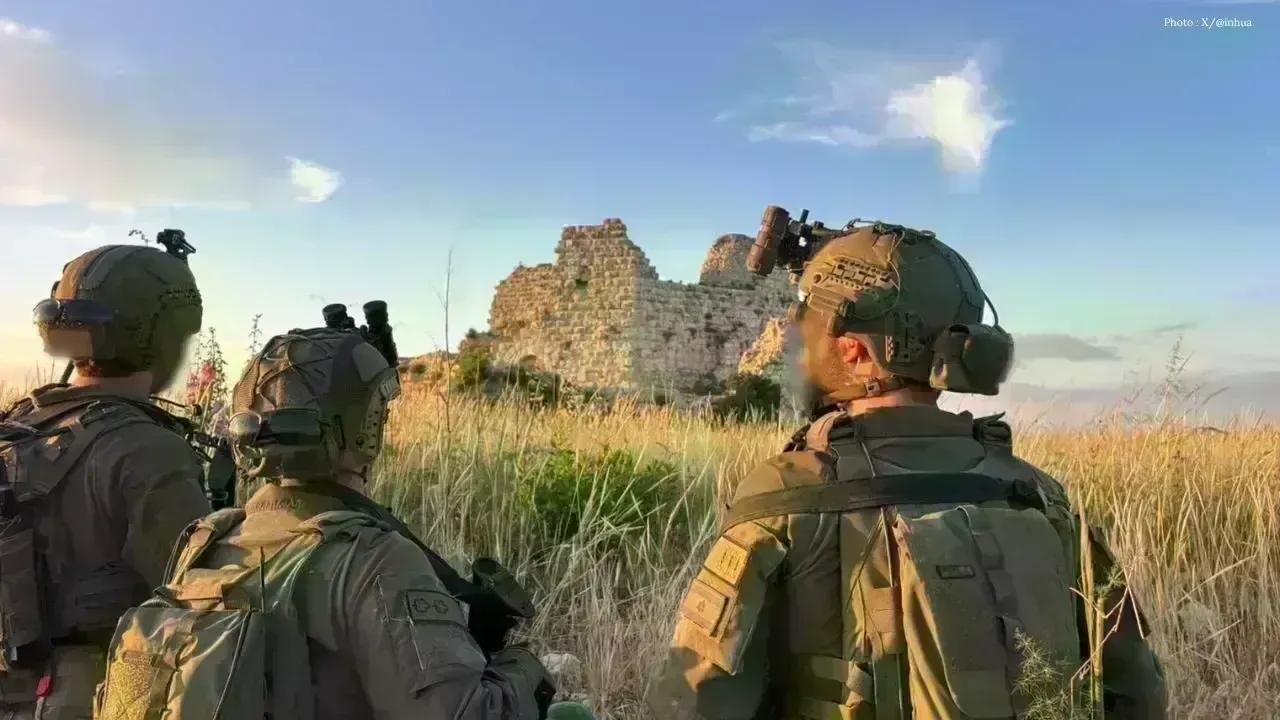
European officials are expressing strong disapproval over Israel’s intensified military actions in southern Lebanon amid rising fears of broader regional conflict. This outrage follows Israel's deeper incursions, including the significant capture of Beaufort Castle, marking one of the most profound military advances into Lebanese territory in decades. Recent movements have raised diplomatic tensions and prompted urgent calls for de-escalation from European powers.
Reports indicate that Israeli forces have expanded their reach beyond previous positions in southern Lebanon, intensifying their operations against Hezbollah. Prime Minister Benjamin Netanyahu has defended these actions, asserting they are vital for countering Hezbollah threats and ensuring the safety of Israeli settlements along the border. Officials argue that Hezbollah remains a grave security concern due to missile strikes, drone activities, and military maneuvers close to northern Israel.
In contrast, European leaders are increasingly anxious about the military escalation. French President Emmanuel Macron and other officials have cautioned that the ongoing offensive could exacerbate humanitarian crises and undermine diplomatic efforts to de-escalate tensions. France has reportedly urged swift international dialogue at the United Nations Security Council, advocating for enhanced efforts to maintain fragile ceasefire agreements aimed at curbing violence in the region.
Similarly, the UK and Germany have raised alarms over the situation. UK officials emphasized that Israel's advancing military operations are likely to worsen civilian suffering, damage vital infrastructure, and complicate diplomatic processes. European nations continually stress that both Israel and Hezbollah must adhere to ceasefire arrangements and abstain from actions that could prolong the conflict.
These military developments occur despite previous diplomatic efforts aimed at alleviating tensions between the two nations. An interim ceasefire brokered in April was designed to pave the way for further discussions and avert an expanded conflict. However, accusations of ceasefire breaches from both sides have led to revived hostilities and escalating instability across southern Lebanon.
Lebanese leaders have vocally condemned Israel’s military maneuvers, arguing that they violate Lebanese sovereignty and breach international law. Prime Minister Nawaf Salam has warned that such continued military advancements could provoke long-term occupation fears and further displacement among civilians. Additionally, Lebanese authorities have brought the matter to international forums, emphasizing that the situation threatens regional stability.
Humanitarian issues are at the forefront of international concerns. Reports indicate that over a million individuals have been displaced since hostilities escalated, with countless casualties occurring during months of combat. Aid agencies caution about worsening conditions as infrastructural destruction, service shortages, and ongoing security risks hinder relief operations.
The capture of Beaufort Castle holds particular symbolic importance in the ongoing conflict. This historic fortress, which commands significant strategic oversight in southern Lebanon, has been hailed by Israeli leaders as a critical success. However, critics argue that this action heightens tensions and raises fears of a prolonged Israeli military presence in Lebanese territory.
This conflict further impacts broader diplomatic processes throughout the Middle East. Ongoing violence between Israel and Hezbollah complicates negotiations involving Iran, the US, and other regional stakeholders. Analysts warn that escalating tensions in Lebanon could jeopardize broader diplomatic initiatives and heighten the risk of overall instability in the region.
International pressures on all parties continue to intensify, with world leaders advocating for restraint and renewed dialogue. European nations maintain that military action alone cannot yield a sustainable resolution, emphasizing the necessity for diplomatic engagement to avert further loss of life and regional disruption. Multiple countries have called for all parties to recommit to dialogue and abide by international laws.
As conflict persists, this crisis remains one of the most scrutinized in the Middle East. The upcoming days are anticipated to be vital as diplomatic efforts ramp up with international leaders striving to prevent further escalation. Presently, European governments are unified in conveying the message that ongoing military operations jeopardize an already precarious situation.


 English