Post by : Saif
Al-Najjar
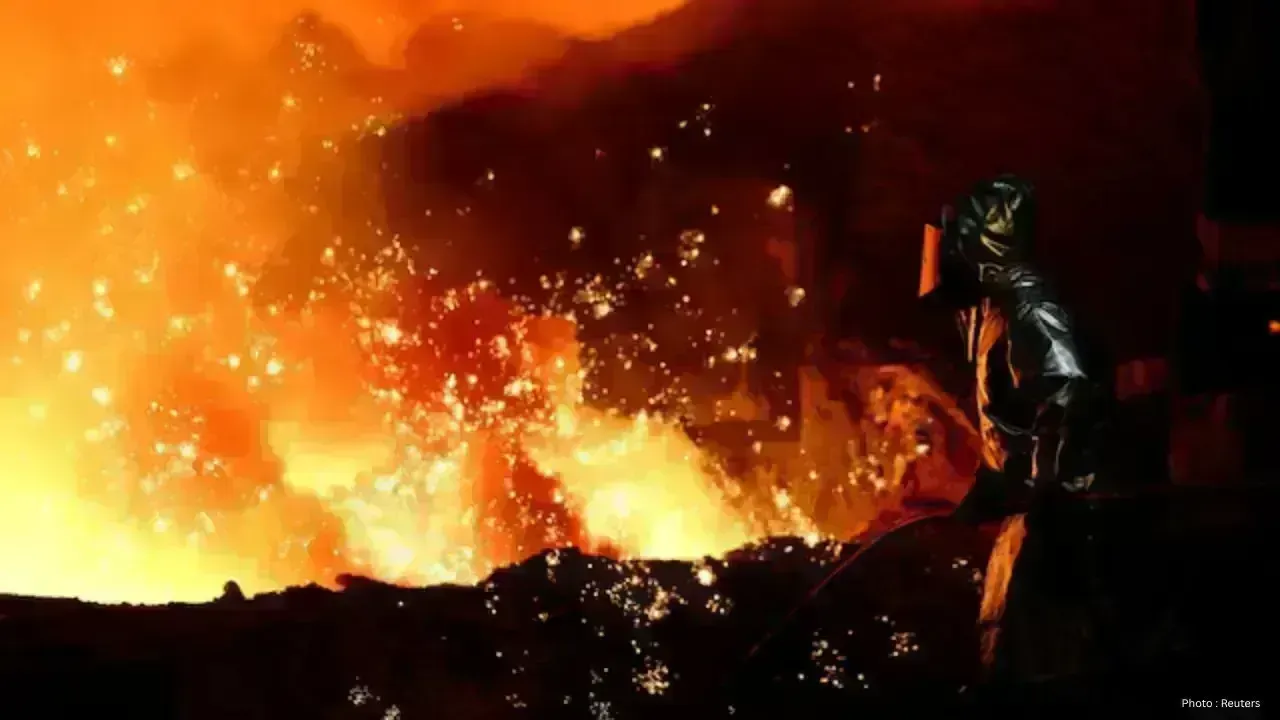
The ongoing conflict in Iran is reshaping the global steel landscape, causing notable disruptions in energy supply and trade dynamics. While many nations struggle, European steelmakers are poised to benefit from these shifts, potentially leading to a rebound as their Asian counterparts face heightened challenges.
Recent data shows a surge in steel prices across Europe, rising approximately 20 percent for key products like hot rolled coil over the last six months. This increase can be attributed to escalating energy expenses, a drop in imports, and newly implemented trade regulations by the European Union, all of which are enhancing the competitive edge of European firms.
The Iran war's influence on energy resources has resulted in increased costs globally, significantly impacting steel production reliant on stable energy prices. Asian nations, heavily dependent on Middle Eastern energy supplies, are finding themselves particularly vulnerable to these fluctuations.
In light of this vulnerability, Asian steel producers are grappling with escalating production costs that hinder their competitiveness against European firms. Conversely, European manufacturers are leveraging local demand and favorable changes in trade practices to their advantage. European companies are thriving in this dynamic environment.
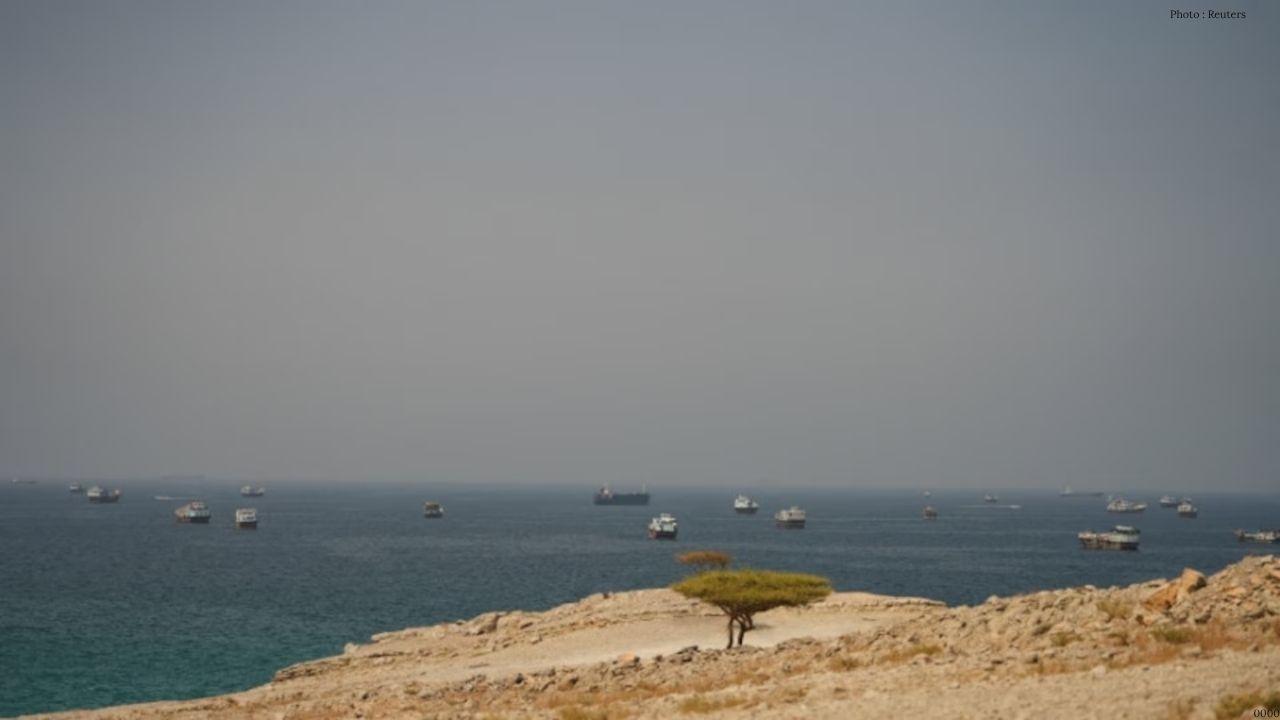
The conflict has also led to increased shipping costs, with critical transport routes experiencing instability. Consequently, European buyers are increasingly relying on domestic sources instead of importing from Asia, further bolstering local steel production.
In addition to these shifts, the EU has instituted trade safeguards that include restrictions on imports, allowing local industries to expand their market share by limiting foreign competition.
Nonetheless, challenges persist. Certain sectors exhibit weak steel demand, prompting cautious outlooks. The World Steel Association's adjusted global demand growth forecasts signal ongoing uncertainties within the industry.
European producers still face high energy costs, and while they currently benefit from market conditions, sustained growth hinges on a stable energy landscape and consistent demand. Persistently elevated energy prices could restrict their future expansion.
The economic fallout from the Iran conflict extends beyond steel, affecting various industries through increased fuel costs and disrupted supply chains. Affected sectors range from manufacturing to transportation as companies contend with rising operational costs and diminished consumer confidence.
This volatility is particularly impactful for the steel industry, directly tied to construction, infrastructure, and manufacturing sectors. In times of economic uncertainty, demand for steel inevitably diminishes, illustrating that while European firms may gain short-term advantages, their long-term stability remains in question.
The current scenario showcases how global conflicts can influence industrial trends. The Iranian crisis is evidence of how localized issues can reconfigure supply chains, energy frameworks, and trade strategies across continents. As the conflict unfolds, the balance within the steel sector is shifting in favor of European producers while exerting significant pressure on their Asian counterparts.
This ongoing crisis may drive nations to reconsider their energy reliance and trade frameworks, emphasizing the importance of local industry development. As we look ahead, the coming months are crucial for determining the trajectory of the steel industry. Should tensions persist and energy prices remain elevated, the disparity between European and Asian production may continue to grow. Conversely, should conditions improve, global competition might stabilize. For now, the Iran war serves as a defining influence steering the global steel market's future.


 English