Post by : Saif
Al-Najjar
India is gearing up for an intense summer, with meteorological experts predicting an unusually high number of heatwave days throughout May. The rising temperatures across the nation are poised to escalate the demand for electricity to unprecedented levels.
While heatwaves are commonplace in India, their intensity and frequency have been on the rise in recent years. This year's outlook indicates that many areas will experience prolonged and more intense heat conditions, which can have repercussions on health, agriculture, and economic performance.
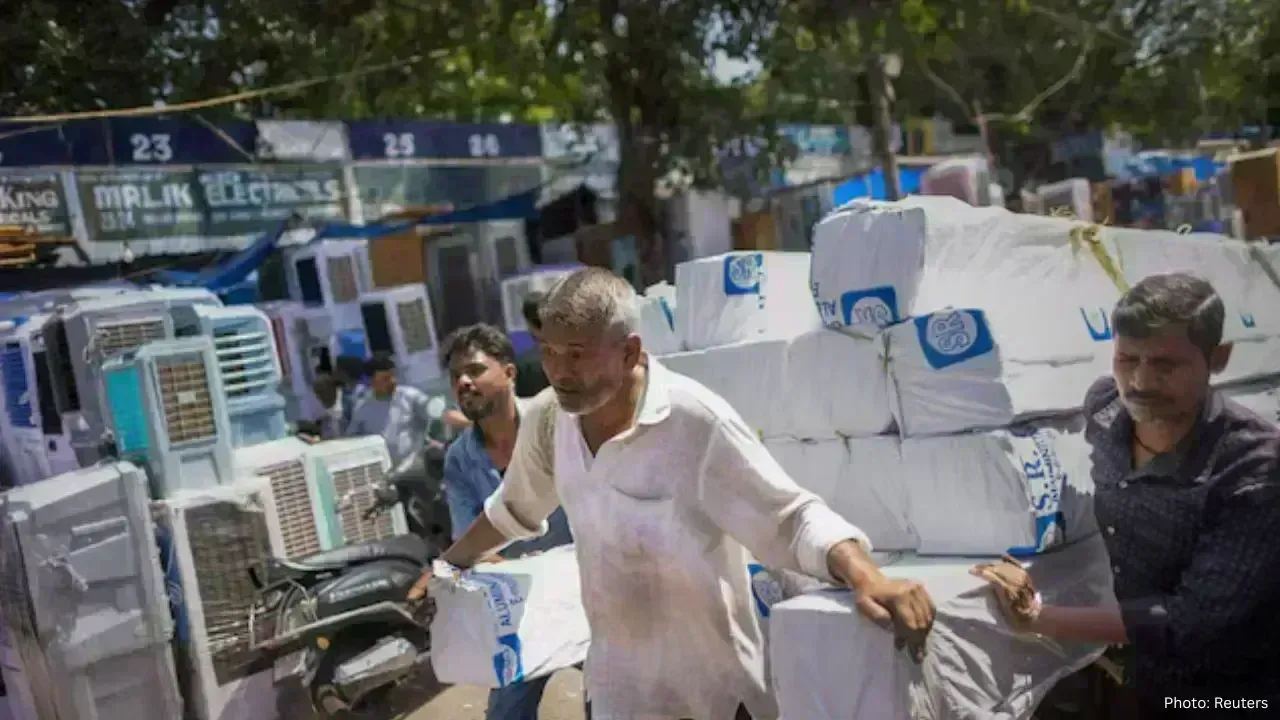
A primary concern is the projected spike in electricity consumption. As temperatures climb, reliance on cooling appliances, including fans and air conditioners, increases significantly. This leads to a substantial surge in energy usage, particularly in urban centers where large populations depend heavily on these systems to mitigate the heat.
Energy providers are taking proactive steps in anticipation of this surge. Authorities are working diligently to ensure there is sufficient electricity to satisfy this demand. However, balancing supply during peak usage times poses a considerable challenge. A rapid uptick in demand could potentially result in power shortages or outages in certain regions.
This situation is intricately linked to the availability of fuel for electricity generation. Coal continues to be a vital energy source in India, and ensuring adequate stock levels is essential for the smooth operation of power plants. Any interruptions in supply could jeopardize electricity generation and add stress to the system.
Furthermore, extreme heat presents critical health risks. Elevated temperatures can result in dehydration, heat exhaustion, and other health complications, significantly affecting children, the elderly, and outdoor laborers. Healthcare facilities may find themselves under increased strain during such extremes.
Farmers, too, stand to suffer. Intense heat conditions can lead to crop damage and lowers yields, especially during crucial growth periods. This could have lasting implications on food supply and pricing.
Urban environments are especially susceptible due to the “heat island” phenomenon, where urban infrastructure retains heat, leading to warmer cityscapes than surrounding areas. This creates additional demand for cooling solutions.
To mitigate these challenges, authorities are encouraging the public to adopt precautionary measures. Staying hydrated, avoiding exposure to direct sunlight during peak hours, and practicing cautious electricity usage are fundamental steps that can contribute to reducing health risks.
This scenario underscores the urgent need for long-term strategies. With climate patterns shifting, extreme weather events such as heatwaves are becoming increasingly prevalent. This reality necessitates improved infrastructure, enhanced energy systems, and heightened public awareness.
Renewable energy options like solar power are becoming critical in accommodating rising demands. India has already made headway in this sphere, but further advancements are essential to decrease reliance on conventional energy sources.
This anticipated heatwave also poses questions about urban development. Cities need to integrate more green spaces, better architectural designs, and innovative cooling solutions to combat rising temperatures. Without these adaptations, the impact of heatwaves will only intensify.
On a broader scale, this situation illuminates the connection between climate change and everyday life. Increasing temperatures are not only a meteorological concern; they have far-reaching effects on health, economy, and infrastructure.
As India approaches the height of summer, addressing both the heat and its repercussions will be paramount. Ensuring reliable power supply, safeguarding public health, and aiding vulnerable populations will be key objectives.
The upcoming weeks will be a true test of how well systems can manage extreme conditions. With adequate planning and awareness, the adverse effects can be mitigated, but the rising challenge of heatwaves remains a significant issue that must be addressed.


 English