Post by : Saif
Al-Najjar
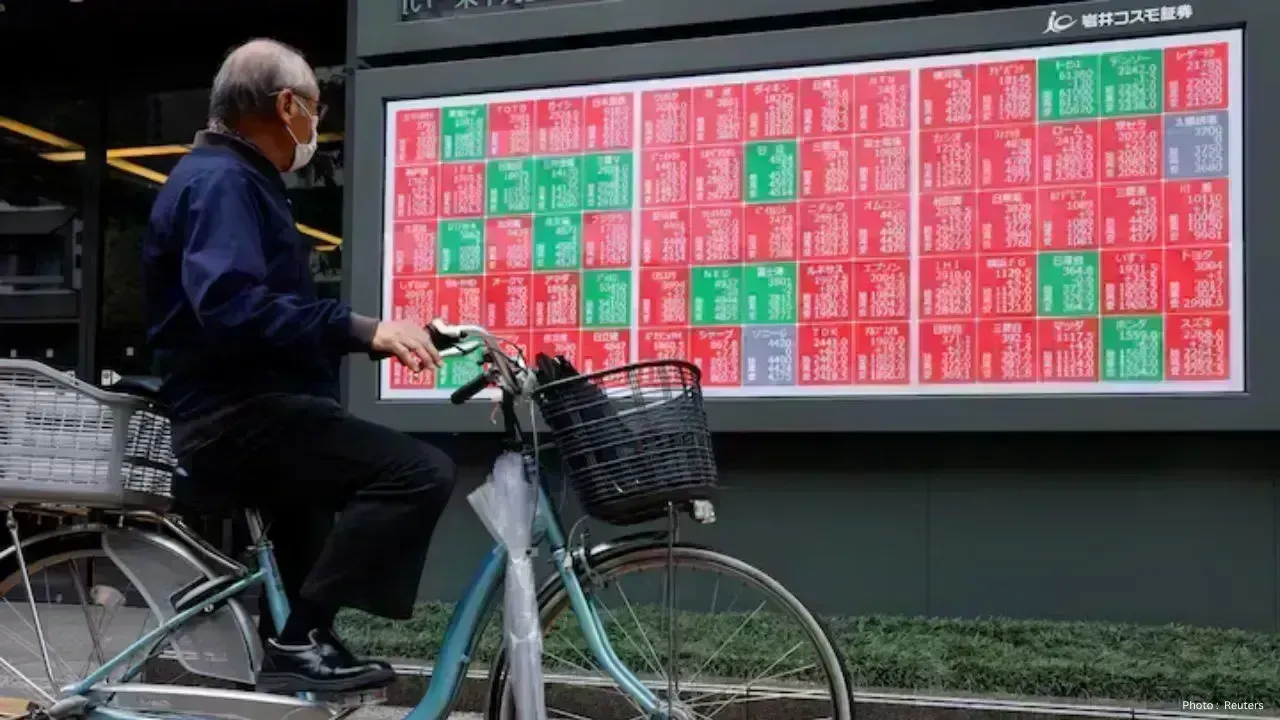
In a surprising turn of events, global financial markets are exhibiting a remarkable steadiness despite ongoing tensions in the Middle East impacting oil supply and trade. The recent extension of a ceasefire related to Iran presents a mixed picture, where risks linger but investor sentiment has not entirely faltered.
Major economies are witnessing slight gains in stock markets, with optimism stemming from a glimpse of reduced hostilities. Yet, a cloud of uncertainty looms as consensus on the ceasefire is incomplete, indicating that while there’s a sense of relief, the specter of renewed conflict persists.
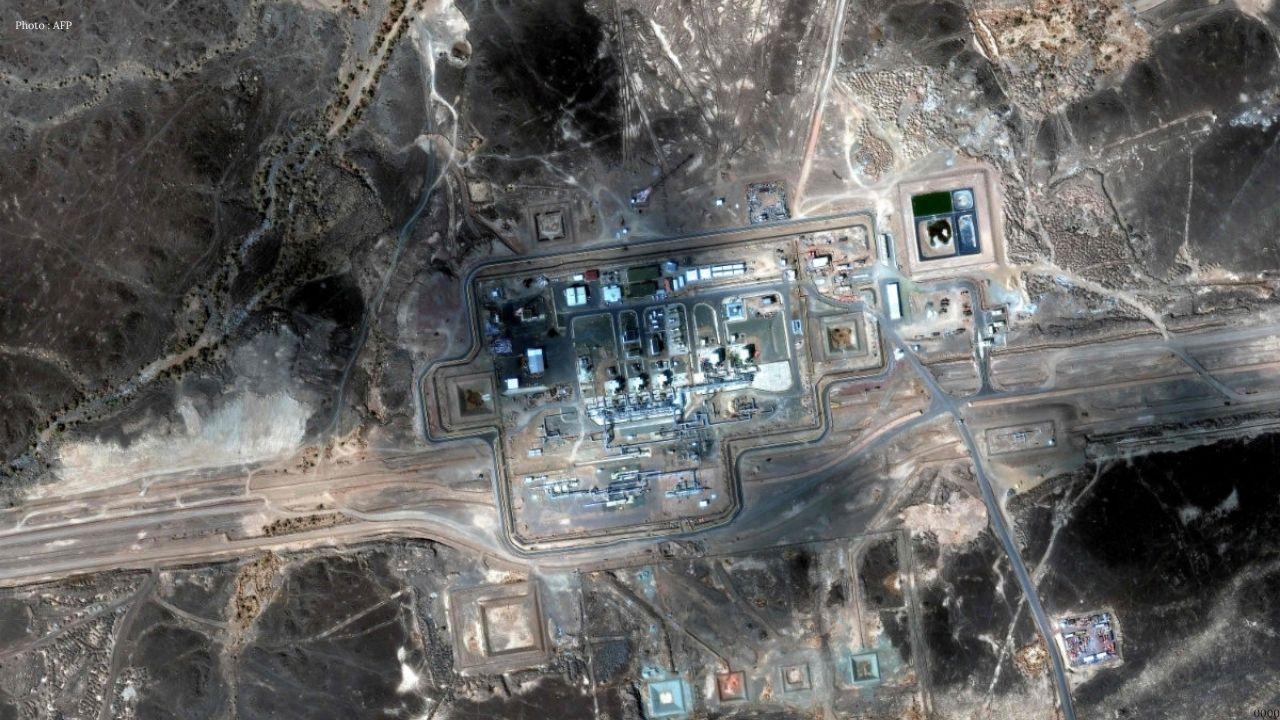
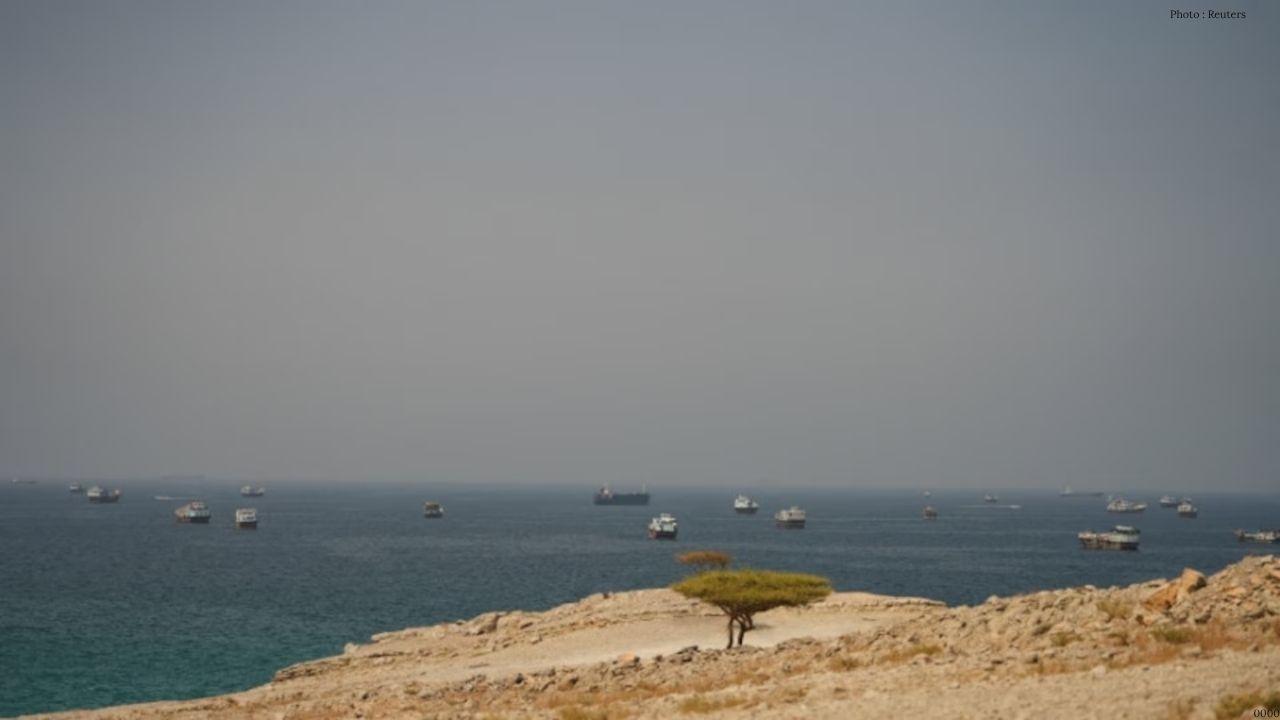
A significant concern for investors lies in fluctuating oil prices. With conflicts affecting critical routes such as the Strait of Hormuz, oil prices remain near $100 per barrel. This elevated level raises alarms about inflation across multiple nations.
As oil prices surge, repercussions can be felt everywhere. Increased transportation costs, enhanced expenses across industries, and rising prices for ordinary goods exert pressure on both households and businesses. This predicament forces governments and central banks into tough decisions between curbing inflation and fostering economic growth.
Nevertheless, global markets aren’t spiraling into panic. Investors seem to perceive that much of the crisis might already be baked into current valuations. They are shifting focus toward company earnings, economic data, and possibilities for sustained growth.
The technology sector, particularly firms tied to artificial intelligence, plays a pivotal role in bolstering market confidence. In Asia, stock markets have seen a boost due to impressive performances from tech companies, with some achieving unprecedented highs. This proves that even amid geopolitical turmoil, innovation and growth can sustain investor interest.
In the currency arena, shifts are notable as the US dollar, typically a refuge during turmoil, has shown signs of weakening. This trend suggests that investors are less anxious about immediate threats and are anticipating more stable environments ahead.
Another vital trend is the influx of investments into safer assets like gold. In the face of ongoing uncertainty, many choose to safeguard their wealth by investing in traditionally stable avenues. Consequently, gold prices have risen, indicating persistent market caution.
Editorially, the current scenario illustrates the intricacies of contemporary global markets. Historically, a conflict of this severity might have triggered steep declines in stock valuations. Presently, markets display greater resilience, largely attributed to the availability of information and sophisticated risk management tools.
However, this sense of calm should not be misconstrued as invulnerability. The reality of risks persists. Disruptions to vital trade routes, elevated energy prices, and political instability could still provoke abrupt market reactions.
Another pressing concern is the repercussions for developing nations. Escalating oil prices and global inflation could disproportionately impact these regions, which typically possess limited resources to navigate economic perturbations. This may exacerbate the divide between stronger and weaker economies.
Central banks play a crucial role in this landscape, tasked with monitoring inflation trends and determining whether to adjust interest rates. Missteps in this area could either stunt growth or allow inflation to escalate.
Looking forward, much hinges on the evolving situation in the Middle East. If the ceasefire holds and tensions diminish, markets may either stabilize or improve. Conversely, a resurgence in conflict could have severe repercussions.
In summary, global markets demonstrate resilience and adaptability amidst uncertainty. Investors are weighing risks against opportunities, focusing on long-term growth while remaining vigilant about immediate challenges. This prudent strategy signifies a transformed landscape where economic and political events are intricately intertwined.
The coming weeks will be pivotal in determining the trajectory of global markets. While stability is feasible, its realization will depend on peace, cooperation, and wise economic decisions from world leaders.


 English