Post by : Saif
Al-Najjar
The rejection of a newly proposed ceasefire by Hezbollah has emerged as a significant barrier to de-escalation attempts in the Middle East. Despite the diplomatic engagements between the United States, Iran, Israel, and Lebanon sparking hopes for reduced tensions, ongoing conflicts in southern Lebanon underscore the challenges to achieving enduring peace in a region long affected by warfare.
This episode illustrates that formal agreements do not inherently translate to an end of hostilities. While diplomatic talks have fostered temporary agreements among various players, the involvement of multiple armed factions, political parties, and regional authorities complicates the situation. Each participant confronts unique interests and security requirements for halting violence.
Hezbollah, the significant Lebanese entity receiving Iranian support, is central to the current conversation. The group has dismissed conditions that necessitate withdrawing its fighters from southern Lebanon where Israeli troops remain stationed. Its leadership contends that such acceptance would equate to capitulation rather than a fair compromise.
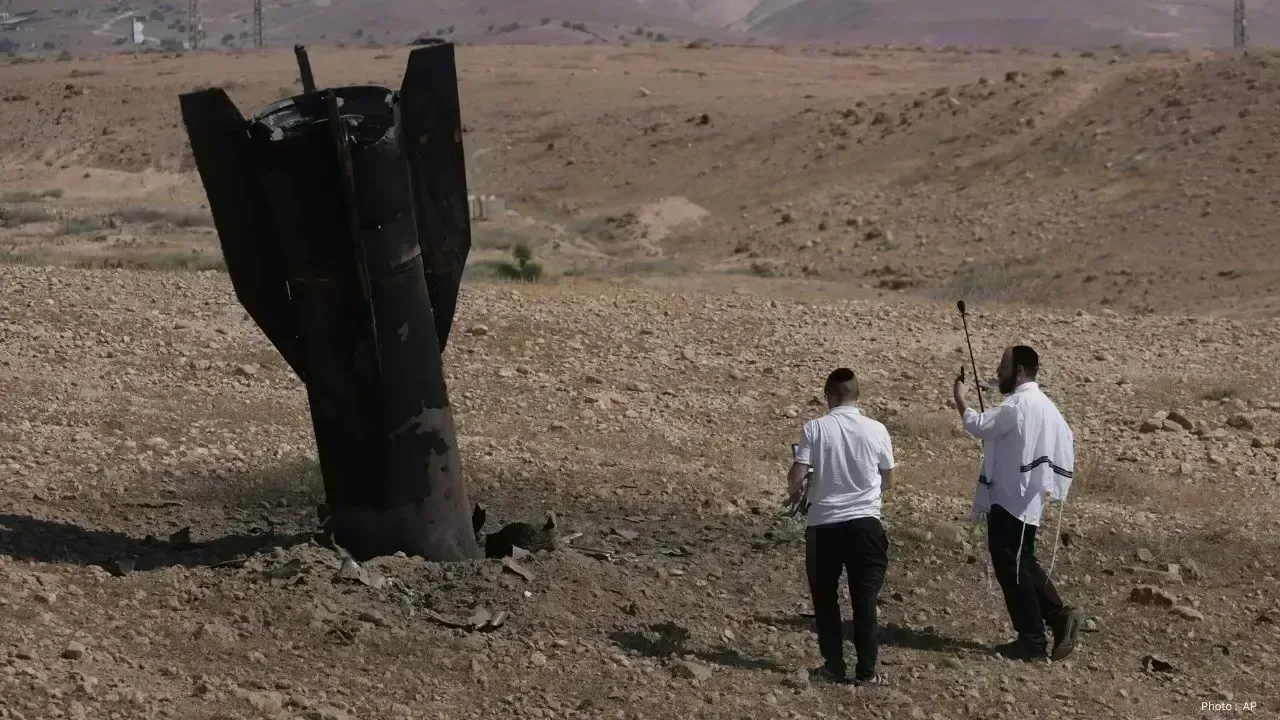
This conflict arises at a delicate juncture, as diplomatic discussions strive to foster conditions for more extensive regional stability following a tumultuous military period. Many stakeholders aspired that advances in negotiations between Washington and Tehran could mitigate the potential for a broader conflict. Nevertheless, persistent clashes along the Israel-Lebanon boundary illuminate the fragility of these efforts.
The situation is particularly dire for Lebanon, grappling with economic distress, political rifts, and a populace weary from prolonged instability. Ongoing military encounters only exacerbate the hardship faced by communities dealing with rising expenses, compromised infrastructure, and precarious security situations.
Lebanese officials are striving to endorse diplomatic resolutions while grappling with internal issues. They suggest that a stable ceasefire could foster a safer environment conducive to economic revitalization. However, such aspirations call for collaborative engagement from all entities embroiled in the conflict.
Israel continues to regard Hezbollah as a significant threat to its security. Military officials stress that operations in southern Lebanon are vital for preventing assaults on Israeli territories. From their perspective, any viable agreement must respond to security anxieties and curb armed groups' capabilities for future aggression.
The competing demands have posed substantial challenges to negotiations, with one party pushing for the complete withdraw of foreign forces, while the other seeks security assurances prior to making substantial compromises. This impasse has resulted in a slow and uncertain diplomatic trajectory.
The situation is also pivotal for Iran, which has a long-standing alliance with Hezbollah. The organization's status is intricately linked to broader discussions concerning Iranian diplomatic strategies and regional dominance. Consequently, decisions emanating from Tehran are poised to significantly affect forthcoming negotiations.
The United States has dedicated substantial resources to fostering diplomatic measures aimed at curtailing violence. American officials assert that averting a larger regional conflict is crucial for upholding stability and safeguarding international interests. Nonetheless, persistent clashes illustrate that simple diplomatic agreements may fall short of resolving entrenched grievances.
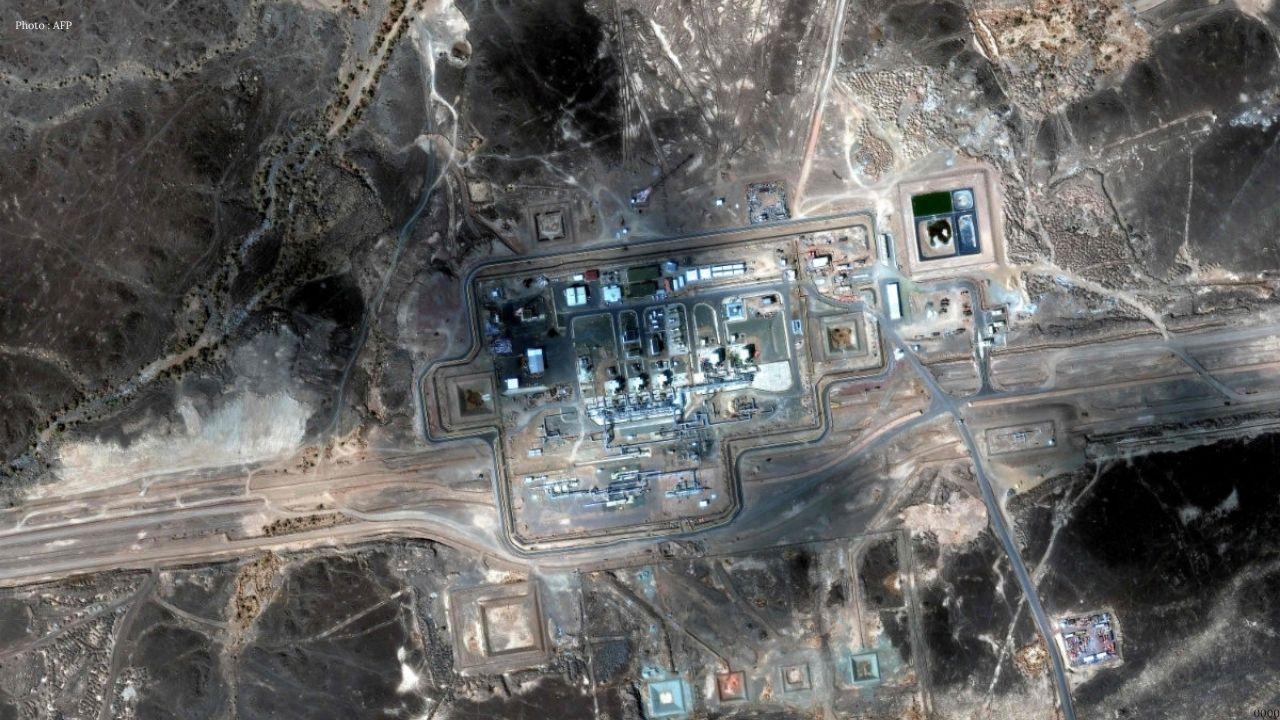
The potential repercussions on global trade and energy markets are another pressing concern. Given the Middle East's significant role in energy production and transit, heightened military activity raises alarms regarding supply chains and navigation safety. Financial markets are closely monitoring the situation, recognizing that instability can swiftly influence international trade.
This scenario also sheds light on a broader truth regarding contemporary conflicts, revealing that wars involving numerous actors often prove more challenging to resolve than disputes limited to two governments. Even when political leaders broker agreements, disparate priorities among armed factions, regional allies, and local groups complicate the quest for enduring solutions.
For individuals residing in affected regions, the ramifications are immediate and intimate. Families confront uncertainty about their security, economic stability, and prospects. Continuous fighting disrupts education, commerce, and community services. The human repercussions of sustained instability disproportionately burden civilians, who often have minimal sway over political decisions.
Global observers continue to advocate for restraint and dialogue, emphasizing that diplomacy remains the optimal avenue to mitigate tensions and avert broader conflict. However, successful negotiations necessitate compromise, trust, and a collective inclination to prioritize means beyond military force.
The latest discord surrounding the ceasefire reflects the complexities in achieving peace in the Middle East. Despite some diplomatic advances, many significant hurdles remain. Hezbollah's opposition to existing terms, ongoing military actions, and profound political divides continue to hinder aspirations for a stable resolution. The forthcoming weeks will be crucial in determining whether regional authorities can convert temporary understandings into substantive progress towards long-term stability.


 English