Post by : Bianca
Haleem
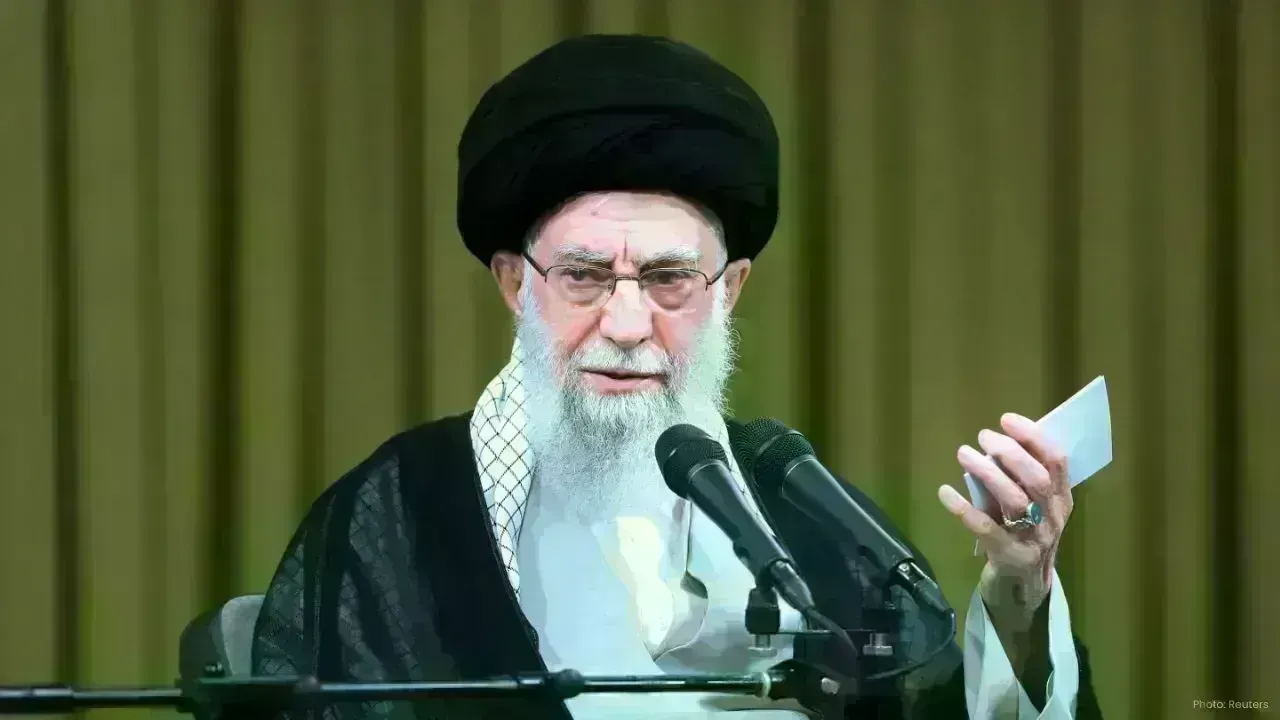
Iran is experiencing a significant wave of protests, the most intense seen in years, driven by rampant economic challenges. Supreme Leader Ayatollah Ali Khamenei has issued a stern warning, stating that “rioters must be restrained,” which many interpret as a directive for an escalated security crackdown.
The demonstrations, ignited by the steep decline of Iran’s currency and soaring living expenses, are now moving into their second week. With at least 10 fatalities reported, clashes between demonstrators and security personnel have become increasingly severe. Nonetheless, the protests continue without clear signs of abating.
In comments aired on state television, Khamenei sought to differentiate between frustrated citizens and those he termed “rioters.” While acknowledging the need for authorities to heed the protesters, he dismissed any possibility of dialogue with those he accused of undermining public order. As has been typical during unrest, he attributed the disturbances to foreign adversaries, like the United States and Israel, without offering substantive proof.
The situation has captured international concern following U.S. President Donald Trump’s warning that Washington would take action if peaceful demonstrators faced violent crackdowns. This has sparked fierce backlash from Iranian officials, some of whom have threatened retaliation against American forces in the region. Tensions escalated further after Trump’s assertion regarding the capture of Venezuela’s president, closely allied with Iran.
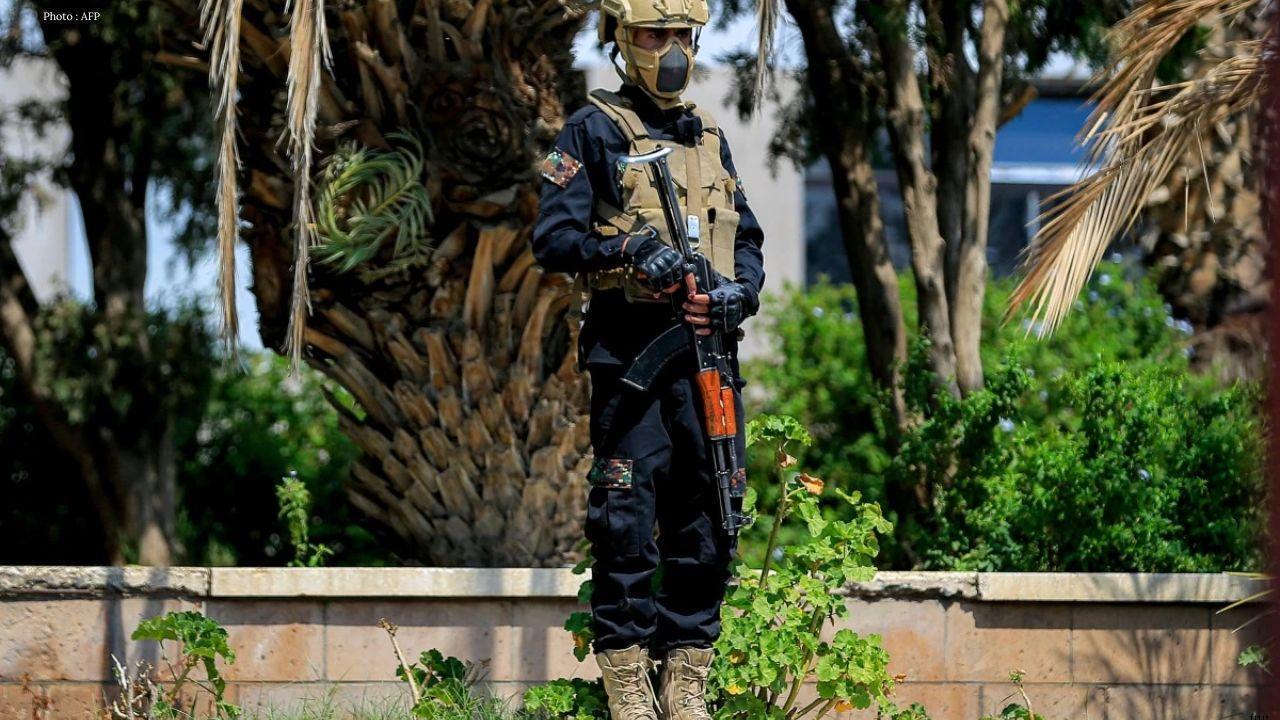
Violence related to the protests has taken a concerning shift. In Qom, a grenade explosion resulted in one fatality; authorities claim the victim was plotting an attack. Separately, in Kermanshah province, a member of the Basij militia was killed in a distinct armed assault. Online videos depict blazes in the streets and a heavy security presence throughout various cities.
Human rights organizations report that protests have erupted in over 100 locales across 22 provinces, marking this as the most extensive mobilization since the outcry following Mahsa Amini’s death in police custody last year. While the intensity of the current protests has not yet reached similar heights, demonstrators are voicing critiques that extend beyond mere economic grievances, directly targeting Iran’s governance.
President Masoud Pezeshkian’s administration has attempted to adopt a more conciliatory stance, showing willingness to address public dissatisfaction. However, the drastic devaluation of the rial has limited the government’s capacity to alleviate pressures, leaving traders, shopkeepers, and average families in growing frustration.
The current turmoil unfolds during a particularly delicate period for Iran, which is still grappling with the aftermath of last year’s hostilities with Israel and ongoing Western sanctions. Tehran recently announced a halt to uranium enrichment at all facilities, suggesting a potential openness to negotiations, yet the prevailing instability adds uncertainty to the future of the nation.


 English