Post by : Samir
Qureshi
India & Japan: Where Tradition Meets Innovation
India and Japan, two civilizations with millennia-old histories, offer fascinating cultural landscapes shaped by ancient traditions and modern innovations. While both nations honor their past, they also embrace contemporary global influences—from festivals and rituals to film, fashion, and technology. This article explores how India and Japan balance heritage and modernity, highlighting their similarities, contrasts, and ongoing cultural dialogue.
Traditions: Foundations of Identity
Japan: Harmony and Precision
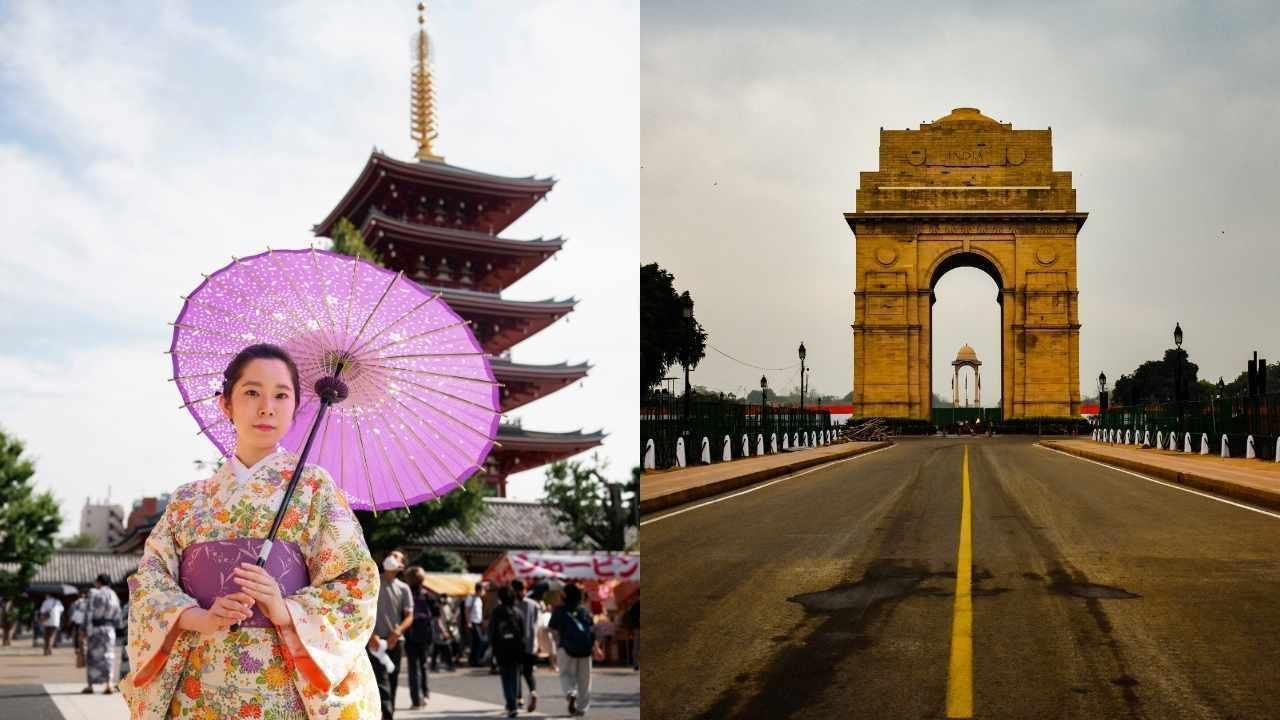
Japanese traditions are deeply rooted in Shinto and Buddhist philosophies, emphasizing harmony with nature, mindfulness, and community cohesion. Rituals like the tea ceremony (chanoyu) embody wabi-sabi aesthetics, celebrating simplicity and imperfection. Art forms such as ikebana (flower arranging) and calligraphy reflect precision and intentionality, while wearing kimono during festivals preserves sartorial heritage. Social interactions are guided by respect, hierarchy, and collectivism, visible in bowing customs and consensus-driven decision-making.
India: Diversity and Syncretism
India’s traditions reflect its incredible diversity, shaped by Hinduism, Buddhism, Jainism, Sikhism, and Islam across 1.4 billion people. Daily rituals such as aarti (lamp offerings) and decorative rangoli mark the rhythm of life. Family structures are often multigenerational, contrasting with Japan’s smaller nuclear households. Classical arts—Bharatanatyam dance, Carnatic music, and regional folk performances—coexist with local customs, demonstrating India’s pluralistic ethos. Both countries honor ancestors, yet India’s traditions are exuberant and colorful, while Japan’s are minimalist and contemplative.
Festivals: Celebrating Life
Japanese Festivals: Matsuri and Seasonal Rituals
Japanese matsuri are lively yet structured events, often tied to Shinto beliefs or seasonal changes. The Gion Matsuri in Kyoto, featuring grand yamaboko floats, draws crowds from across the world. Hanami, or cherry blossom viewing, celebrates transient beauty, while Obon honors ancestors through lantern-lit dances. Japanese festivals balance spirituality, discipline, and collective joy.
Indian Festivals: Vibrance and Diversity
India’s festivals are immersive, vibrant, and emotionally charged. Diwali, the festival of lights, symbolizes the victory of good over evil with millions lighting lamps and enjoying fireworks. Holi transcends social barriers through colorful celebrations, while Eid and Christmas showcase interfaith harmony. Regional festivities like Pongal in Tamil Nadu or Durga Puja in Bengal highlight localized traditions. Unlike Japan’s orderly matsuri, Indian festivals are exuberant, sensory-rich experiences.
Modern Influences: Cultural Exports and Global Impact
Japan: Anime, Fashion, and Tech
Japan has become a global cultural powerhouse through anime, manga, and J-pop. Studio Ghibli films, cosplay conventions, and karaoke bars reflect a blend of traditional aesthetics with modern creativity. Urban hubs like Shibuya and Harajuku showcase fashion innovation, where historical influences meet neon-lit youth culture.
India: Bollywood, Cuisine, and Yoga
India exports culture through Bollywood films, producing over 1,200 movies annually, and global culinary traditions such as curry, dosa, and biryani. Yoga, rooted in ancient texts, shapes global wellness trends. Urban India’s tech startups and social media influencers amplify its modern cultural voice, creating a contrast between Japan’s polished, tech-driven exports and India’s emotive, storytelling-focused creative industries.
Points of Convergence and Contrast
Japan’s cultural identity emphasizes refinement, uniformity, and minimalism, while India thrives on pluralism, absorbing influences from Persian, Mughal, and British eras. Both countries integrate tradition with modernity: shrines coexist with Shinkansen stations in Japan, and Indian tech hubs celebrate festivals like Ganesh Chaturthi with enthusiasm.
Cross-cultural exchanges are growing: Japanese sushi restaurants in Mumbai and Indian curry houses in Tokyo reflect mutual appreciation. Collaborative initiatives like Indo-Japanese films and meditation retreats highlight deepening connections. Challenges remain: Japan’s aging population may threaten tradition continuity, while India’s youth must balance heritage preservation with rapid urban growth.
The Future of Cultural Fusion
With globalization and technology, India and Japan are poised to expand their cultural influence. Japan’s Society 5.0 initiative envisions tech-enhanced traditions such as VR matsuri or AI-generated haikus, while India’s Digital India program could digitize folk arts for global accessibility. Shared Buddhist heritage, tourism, and cultural exchanges foster mutual learning. By blending Japan’s precision with India’s vibrancy, this cultural fusion has the potential to redefine global creative landscapes, demonstrating that tradition and modernity can coexist harmoniously.
Conclusion
India and Japan showcase how tradition and modernity can coexist in vibrant harmony. While Japan emphasizes precision and minimalism, India thrives on diversity and exuberance. Together, their festivals, rituals, and contemporary cultural exports highlight a fascinating exchange that inspires global appreciation and mutual learning.
Disclaimer
This article is published by GCC News 24 for informational purposes only. It explores the cultural traditions and modern influences of India and Japan and does not constitute professional advice. Readers are encouraged to seek additional sources for comprehensive insights.


 English