Post by : Saif
Al-Najjar
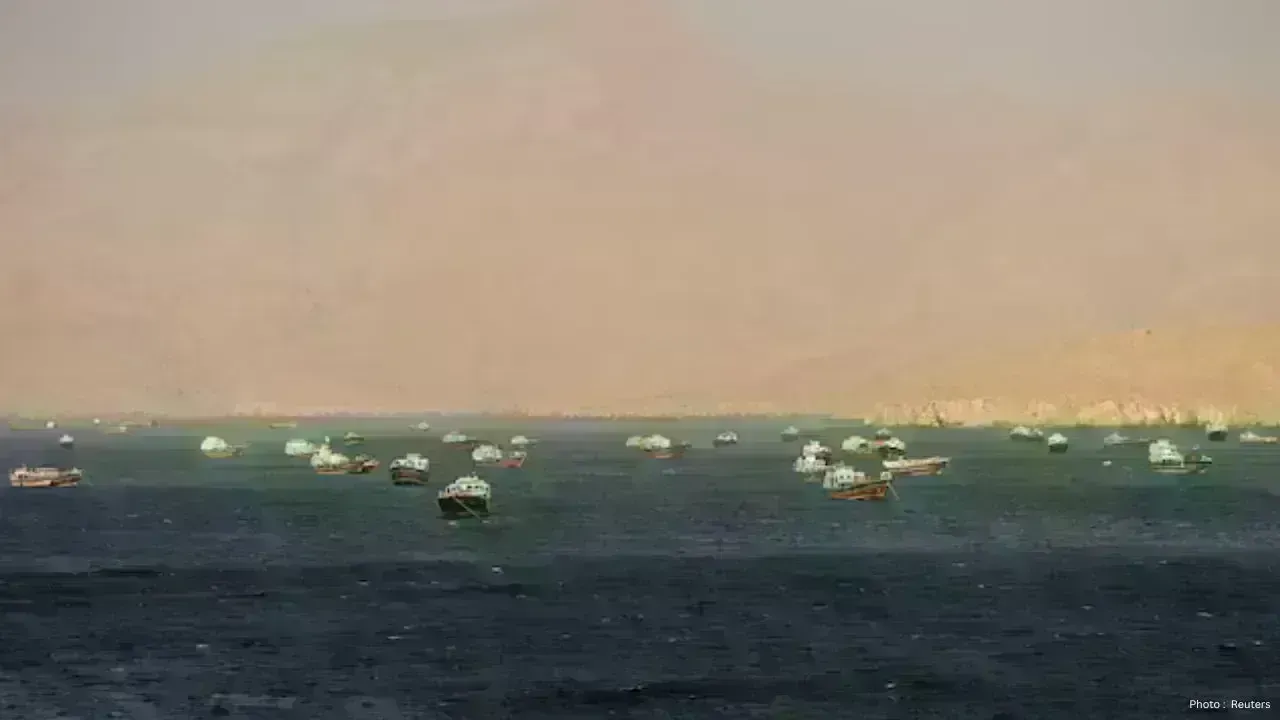
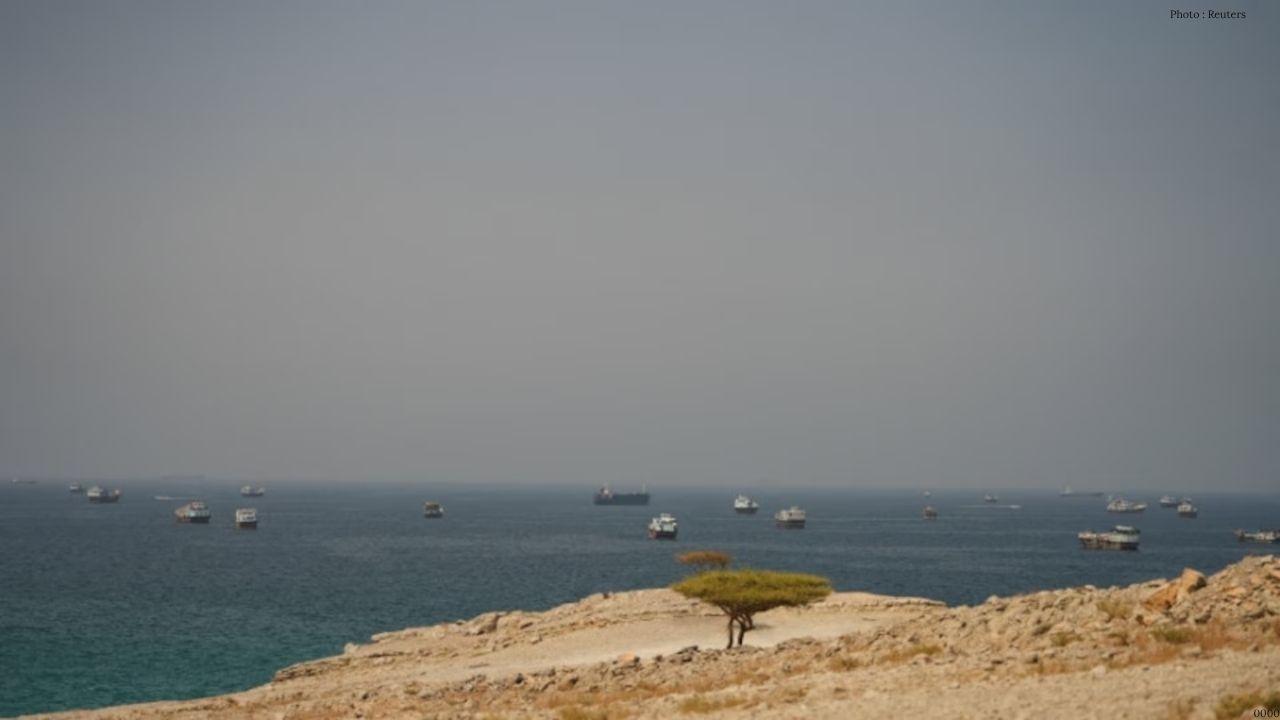
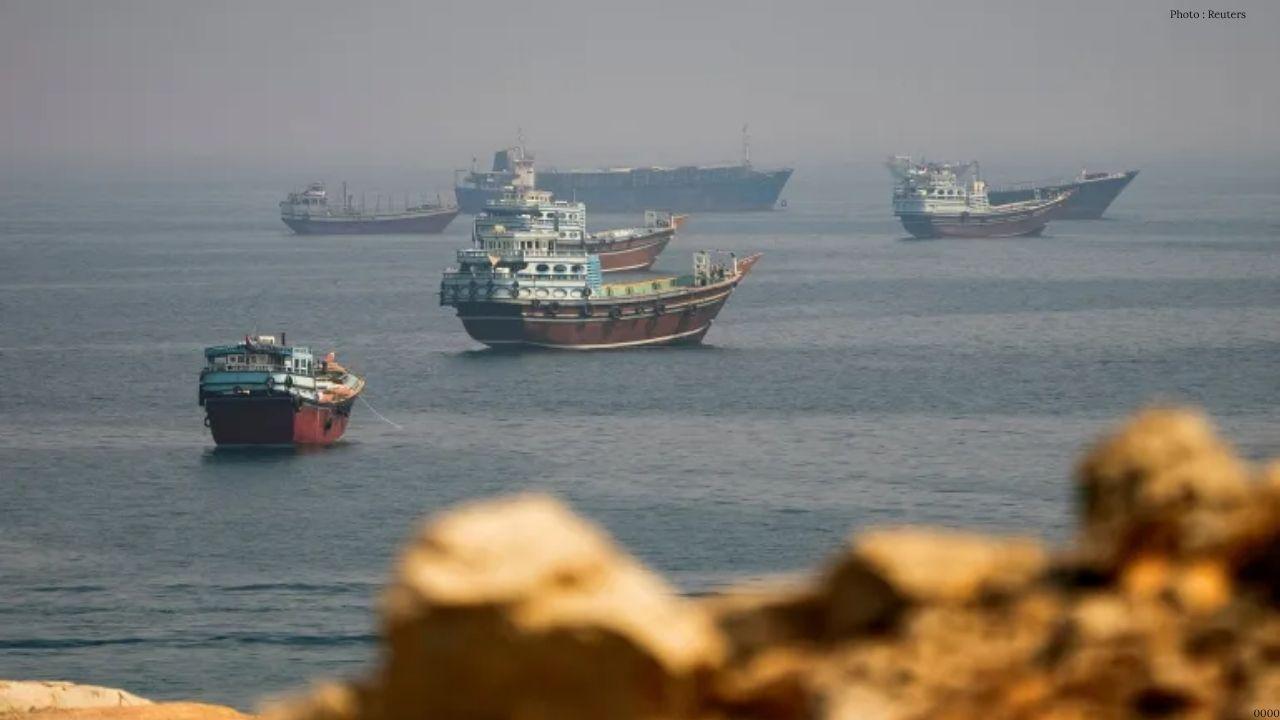
The Strait of Hormuz has re-entered the spotlight after Iran announced that it will remain open for maritime activities, albeit with potential transit fees for passing vessels. This announcement comes at a time of rising tensions in the region and growing apprehension regarding energy supply chains globally. As a crucial route for a substantial portion of the world's oil and gas exports, any news related to this passage is scrutinized by governments, traders, and market analysts alike.
This vital waterway, linking the Persian Gulf to global shipping lanes, is one of the busiest trade routes worldwide. Daily, millions of barrels of crude oil and other energy commodities traverse these waters en route to destinations in Asia, Europe, and beyond. Given the significance of this corridor, even slight uncertainties can sway energy prices and market sentiments substantially.
Iran's recent declaration indicates that commercial shipping will be unaffected by the ongoing geopolitical fracas. The introduction of shipping fees has generated debate among policymakers and analysts, with some seeing it as a prudent measure amidst instability. While the news lessens immediate fears of a closure, there are lingering questions about how these fees might be applied and how they will be received by international shipping entities.
For various nations, the core message is that transit will proceed. An interruption of this passage could lead to severe setbacks for global energy markets. Oil-importing countries rely heavily on consistent supplies, and any disruption can swiftly impact fuel prices, production cycles, and overall economic stability.
The implications of the Strait of Hormuz extend well beyond the Middle East's borders. Asian nations depend significantly on the energy transported through this route. Major economies—such as China, India, Japan, and South Korea—receive tremendous volumes of crude oil from Gulf exporters. Therefore, any change in transit circumstances could affect billions of lives, leading to heightened costs for fuel and consumer goods.
Energy markets tend to respond vigorously to uncertainties. Investors are keenly aware of developments concerning major shipping corridors, as any disruption in supply chains can trigger swift price fluctuations. The latest announcement may alleviate some pressures by clarifying that ships will be allowed to navigate this crucial corridor.
However, the implementation of transit fees introduces an intriguing new dynamic. Shipping companies are already contending with considerable operational costs, including fuel, insurance, and security. Adding more fees could escalate transportation costs, impacting energy pricing in the long run. The degree of this influence depends on the scale of the transit fees and the mechanisms through which they are instituted.
This scenario also brings up broader discussions regarding international maritime regulations and navigation rights. Global trade hinges on open shipping routes, allowing for efficient movement of goods among nations. Changes affecting essential waterways often lead to diplomatic negotiations among governments, shipping alliances, and international bodies.
Furthermore, regional security remains a significant concern. The Persian Gulf has witnessed tensions that have previously raised alarms regarding commercial shipping and energy exports. Preserving stability is deemed essential for safeguarding global supply chains and fostering economic development. Thus, many countries support ongoing diplomatic initiatives aimed at quelling conflicts and promoting dialogue.
Oil-exporting countries within the Gulf region are paying close attention to these developments, as their economies are heavily reliant on the exports moving through this maritime pathway. Secure access to international markets is vital for national revenues, investment strategies, and growth initiatives. Any fluctuations in shipping conditions can have profound effects on long-term planning and investor confidence.
To consumers worldwide, events in the Strait of Hormuz may feel remote, but their repercussions can be significant in daily lives. Changes in oil prices directly affect transport fares, utility bills, production costs, and overall prices of goods. This interconnection necessitates close monitoring by governments and businesses regarding energy route developments.
Iran’s latest position could offer a momentary season of reassurance for global markets by allaying fears of imminent disruption. Nevertheless, investors, shipping operators, and policymakers will continue to observe the circumstances closely. Continued stability in this region is crucial for ensuring seamless energy transactions and supporting economic growth across multiple continents.
The destiny of the Strait of Hormuz remains a pivotal topic in international discourse due to its central role in global trade and energy security. While Iran's declaration of maintaining an open route offers some solace to concerned markets, the ongoing dialogue around transit fees demonstrates the intricate ways in which economic interests, regional dynamics, and maritime security intertwine. As reliance on secure energy transport persists, ensuring the safe passage through this significant thoroughfare will remain a priority for the global community.


 English