Post by : Saif
Al-Najjar
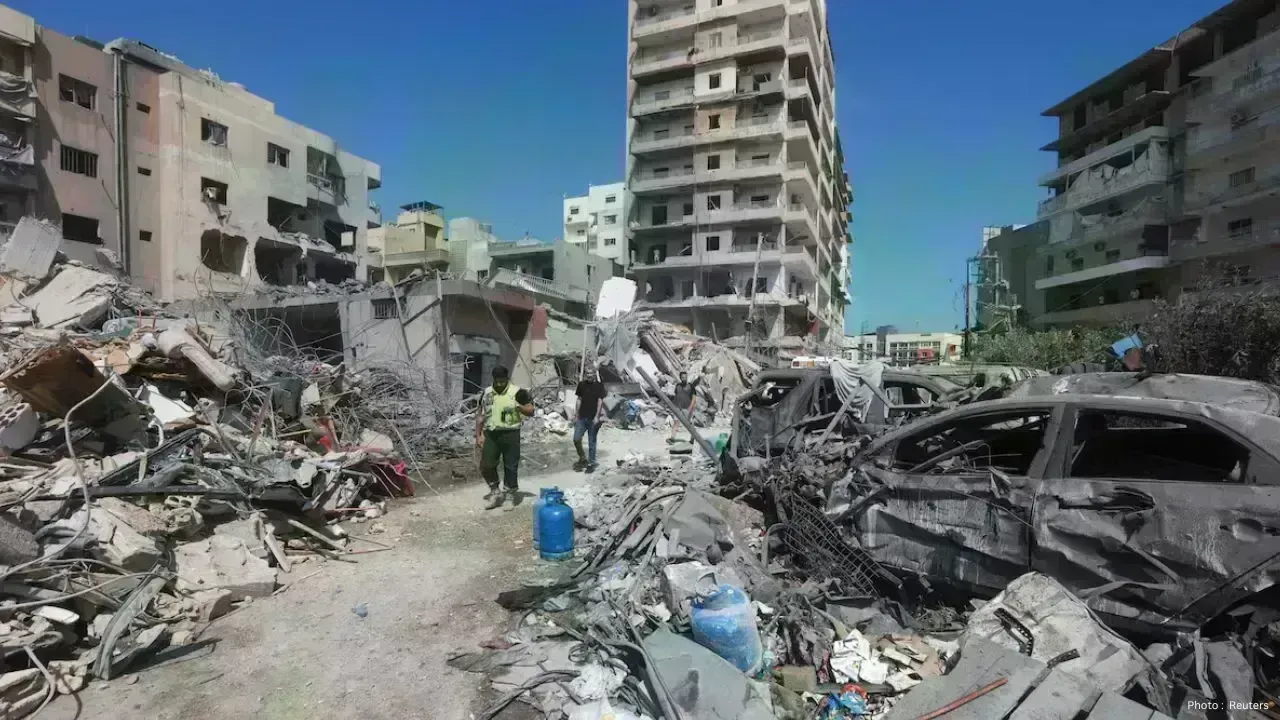
The ongoing military exchanges between Iran and the United States are obstructing diplomatic efforts aimed at stabilizing the Middle East. Despite extensive discussions, key disagreements regarding security, sanctions, and regional influence have stalled meaningful progress. The situation on the ground, marked by escalating attacks and military reactions, raises alarms about a potential wider conflict.
This developing crisis underscores the complexities of harmonizing diplomatic initiatives with ongoing military operations. Officials have frequently emphasized the necessity of talks, yet recent events reveal that a durable resolution is becoming increasingly elusive. Reports of missile and drone strikes targeting U.S. military locations in the Gulf have prompted retaliatory actions by U.S. forces against Iranian positions. Such military engagements may overshadow the prospects of successful diplomacy.
At the heart of the crisis lies the protracted dispute surrounding Iran's nuclear intentions. The U.S. seeks stringent guarantees regarding Iran's nuclear activities, whereas Tehran maintains that its program is for peaceful purposes and demands an easing of economic sanctions. This divide remains a significant hurdle in the path to negotiations.
The conflict has also expanded into various dimensions, encompassing security matters linked to shipping channels, military alliances, and economic conditions. This ripple effect impacts not only the directly involved nations but also neighboring states and the global marketplace.
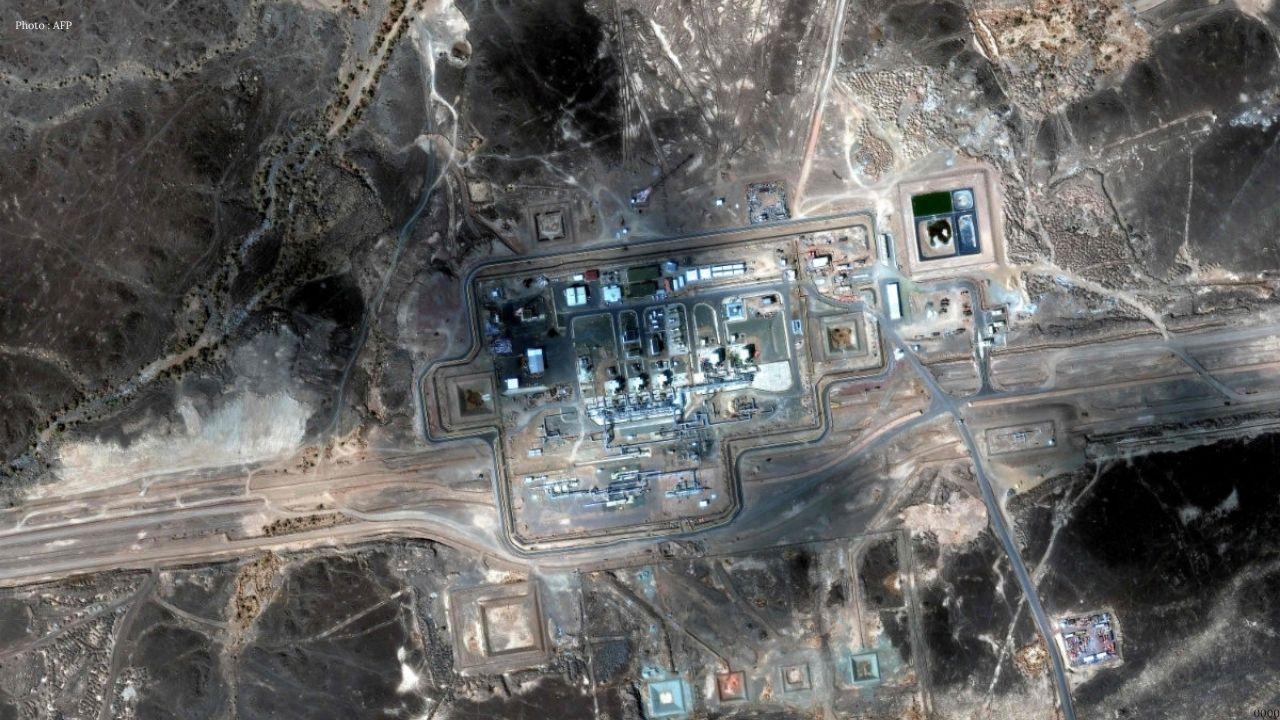
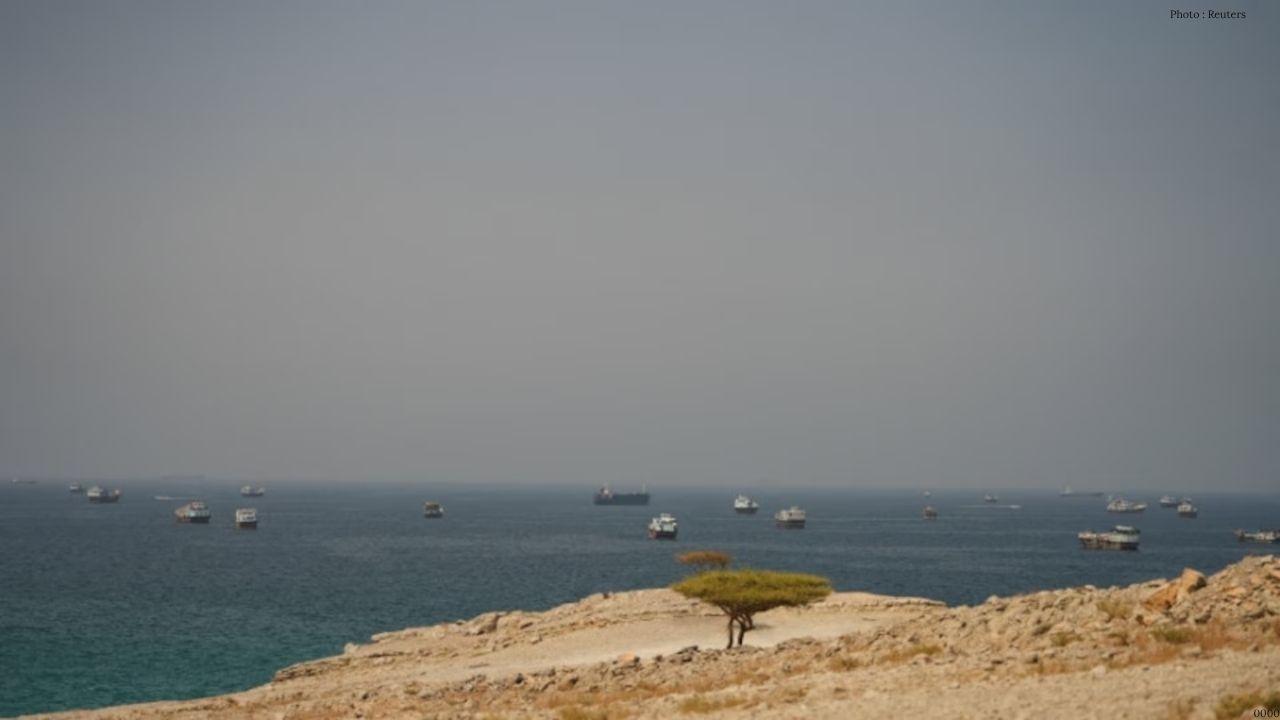
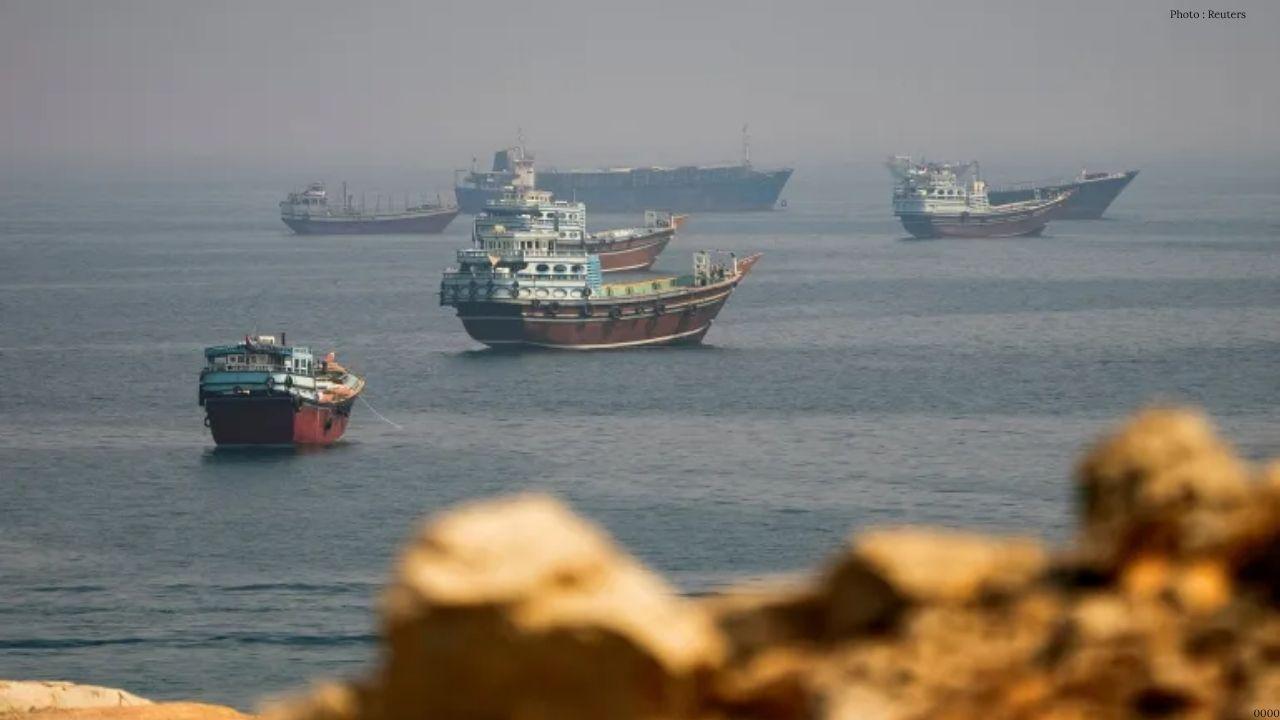
A critical fallout from this escalating crisis is the strain on energy supplies. The Strait of Hormuz, a pivotal maritime passage for oil and natural gas, is under scrutiny as disruptions attract widespread international concern. Given that a considerable proportion of global energy shipments traverse this route, current security anxieties have already led to disruptions in shipping activities and fluctuations in oil prices.
Rising energy prices have broader ramifications on global economies. Transportation and production costs for businesses have surged, often translating into higher prices for consumers. Even nations far from the Middle East could face economic repercussions if instability extends over time.
The humanitarian toll remains a pressing concern as well. Ongoing military actions and regional hostilities have displaced thousands and exacerbated hardships for vulnerable populations. Communities already struggling with economic challenges now confront further uncertainties, as humanitarian organizations highlight the escalating needs of civilians caught amidst the turmoil.
Trust, a vital component for successful negotiations, continues to dwindle between the conflicting parties. Each new military incident complicates efforts to establish confidence, making it increasingly challenging to shift focus from immediate security threats to long-term solutions.
From an editorial perspective, the real danger lies not only in persistent hostilities but also in a potential deadlock, where neither party achieves its objectives amidst escalating violence. Such stalemates could trigger further economic strain, prolong humanitarian crises, and complicate future diplomatic endeavors.
Historical context suggests that military actions often fail to yield sustainable peace. Dialogue, compromise, and addressing root issues generally pave the way for more enduring resolutions. Although diplomatic efforts may progress slowly, they remain the most viable avenue for easing tensions and averting further escalation.
International entities play a crucial role as well, with regional governments and global organizations essential for fostering credible negotiations and supporting conflict mitigation efforts. Cooperation among these stakeholders is pivotal for creating a conducive environment for diplomacy.
As one of the world's strategically vital regions, the Middle East's stability is a global priority. Ongoing conflicts not only threaten regional safety but can also impact international trade, energy sectors, and economic progress. The ramifications of prolonged instability could reverberate well beyond the nations directly engaged.
The upcoming months will be critical in determining whether diplomatic channels can regain their footing or if military exchanges will continue to dominate the landscape. While the road to resolution is fraught with challenges, enduring dialogue remains the most hopeful pathway towards sustained stability and security.


 English