Post by : Saif
Al-Najjar
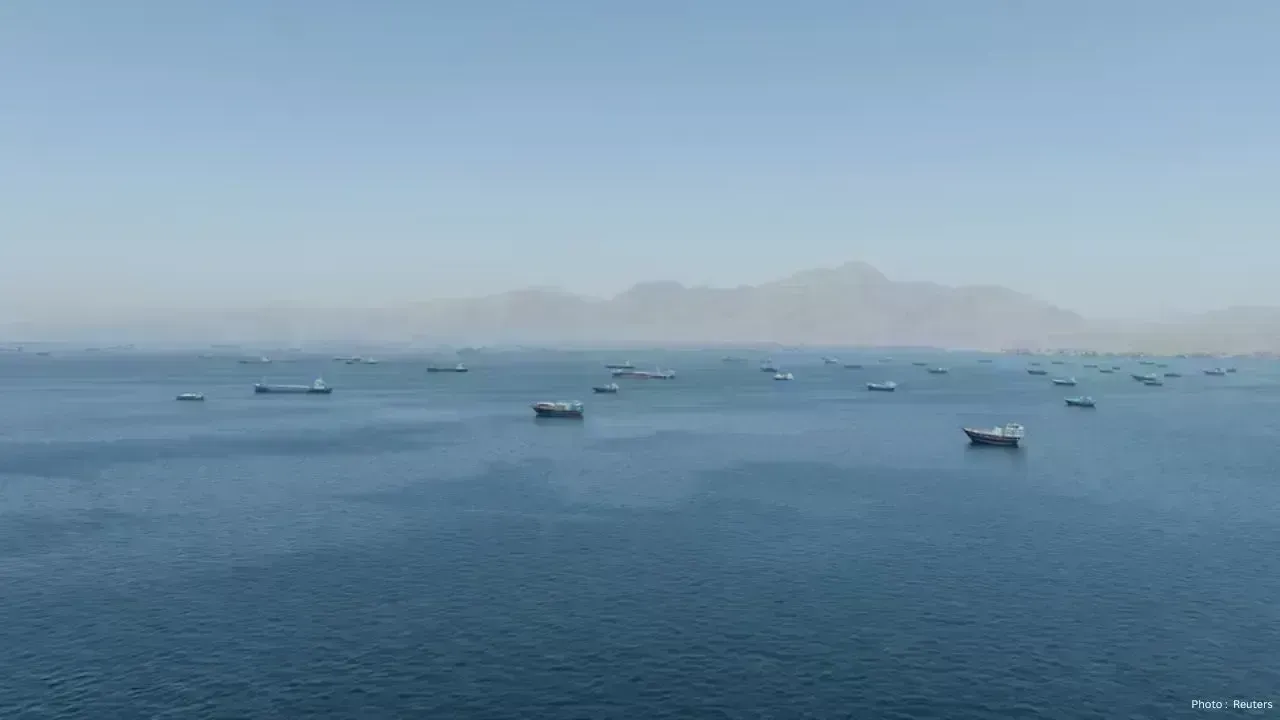
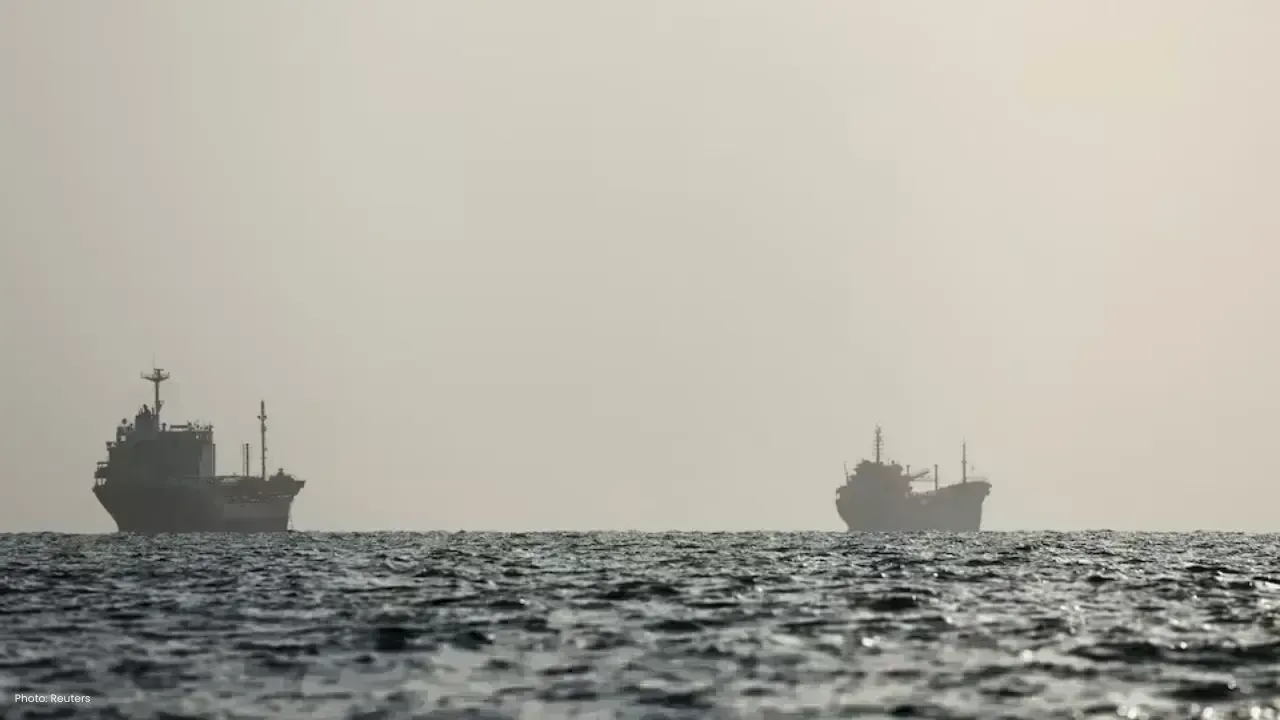
Iran recently announced that the Strait of Hormuz might reopen in 30 days pending an agreement with the United States that could put a halt to ongoing regional conflicts. This assertion has sparked international interest as the strait is a crucial route for oil shipments and pivotal to global energy markets.
The comments emerge amid increasing diplomatic conversations surrounding the Middle East's tensions. Reports indicate that Iranian officials are optimistic that regional stability and successful negotiations could facilitate safer navigation through this vital waterway.
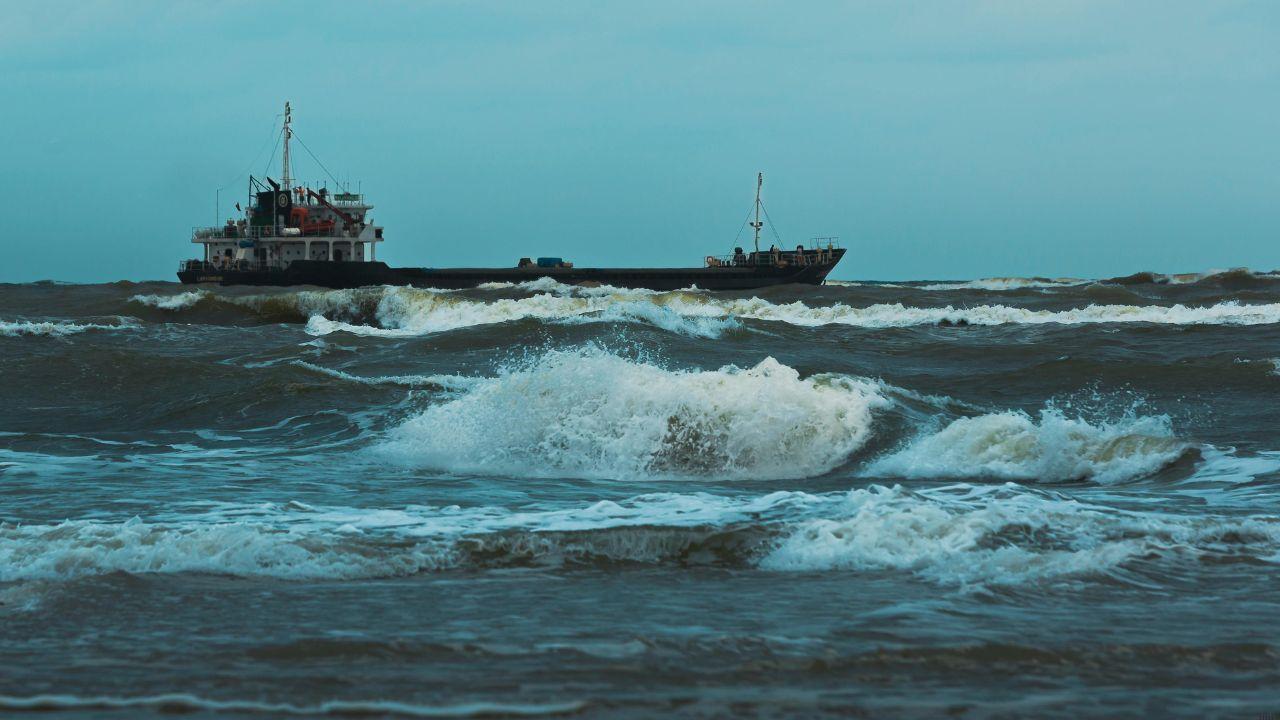
The Strait of Hormuz, a narrow maritime corridor between Iran and Oman, sees a significant portion of the world’s oil and gas transported daily. Disruption in this passage can lead to immediate impacts on global oil prices, shipping activities, and broader international trade.
Given its strategic significance, this area often grapples with high sensitivity to political or military unrest. Over the years, anxiety surrounding security in the strait has frequently led to volatility in energy markets and heightened fears of supply disruptions.
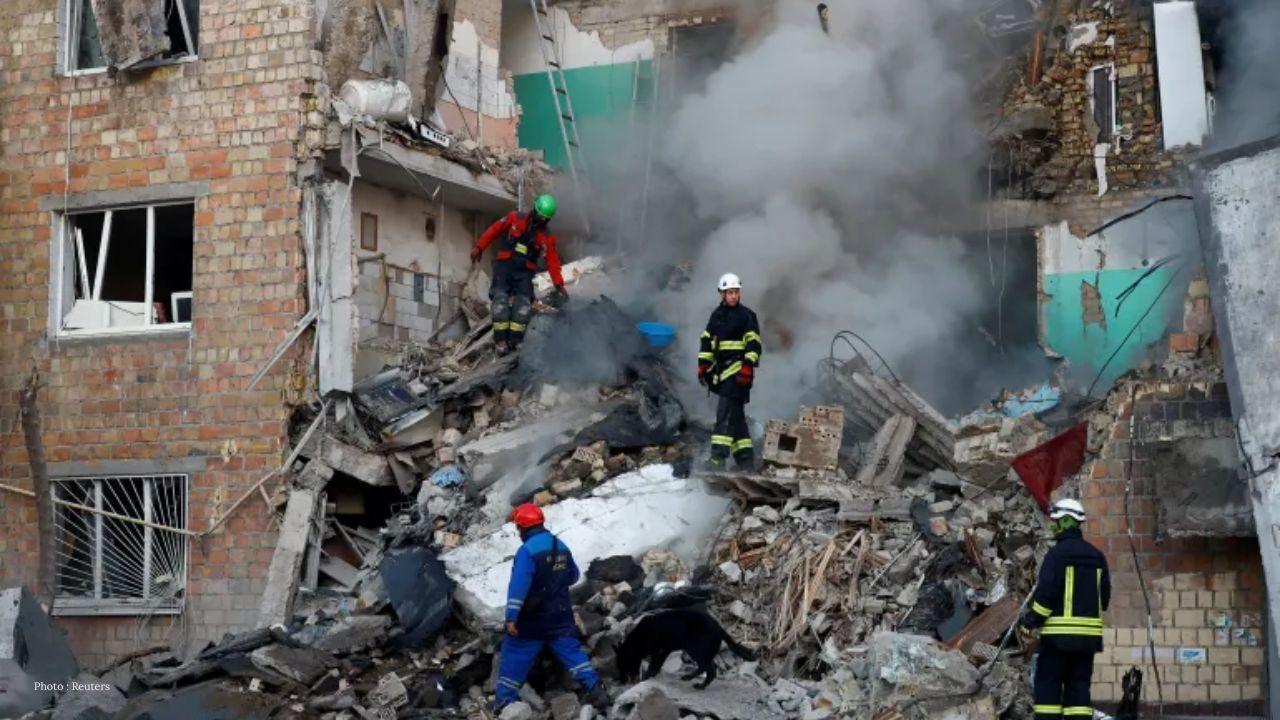
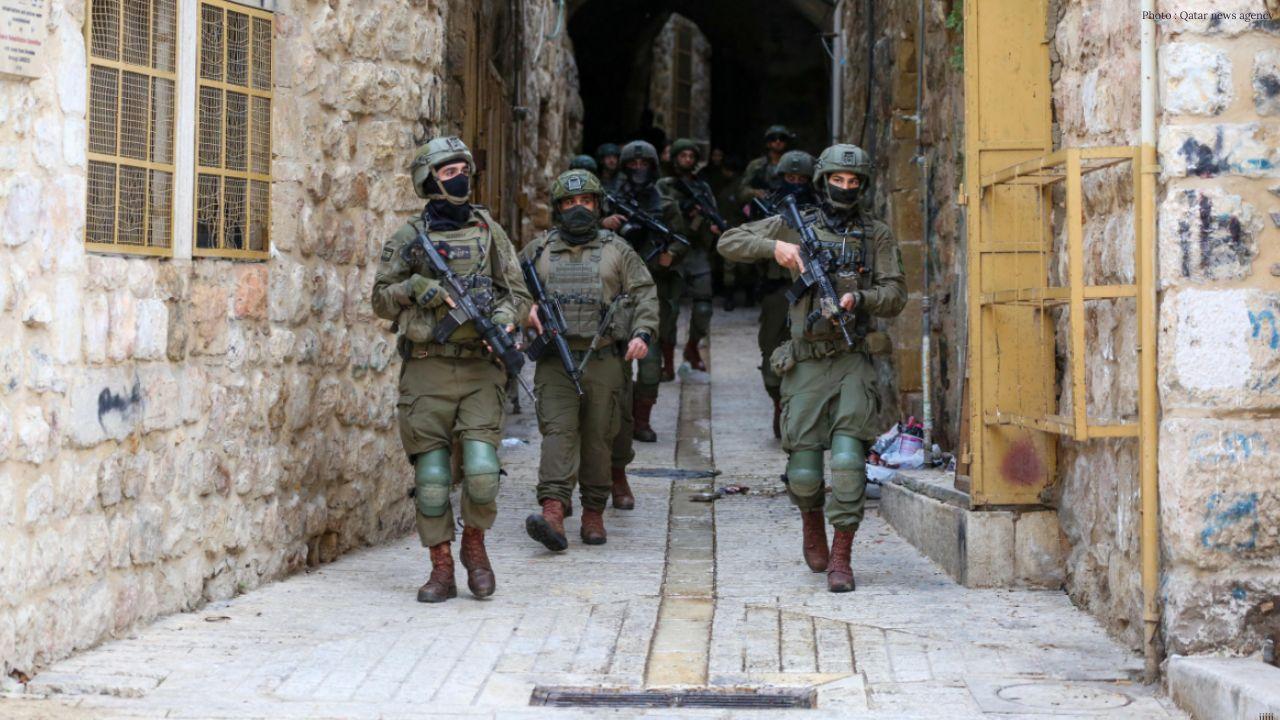
Iran's latest comments emerge at a time when the region is entangled in conflict, diplomatic challenges, and escalating global worries about its stability. Increased fighting in various areas has raised alarms that tensions may further escalate and impact economic activities worldwide.
Countries reliant on energy imports are closely monitoring these developments, as even minimal disruptions in oil transport can translate to rising fuel prices globally. For nations such as India, China, Japan, and numerous European countries, maintaining secure shipping through the Strait of Hormuz is essential for their economies and energy needs.
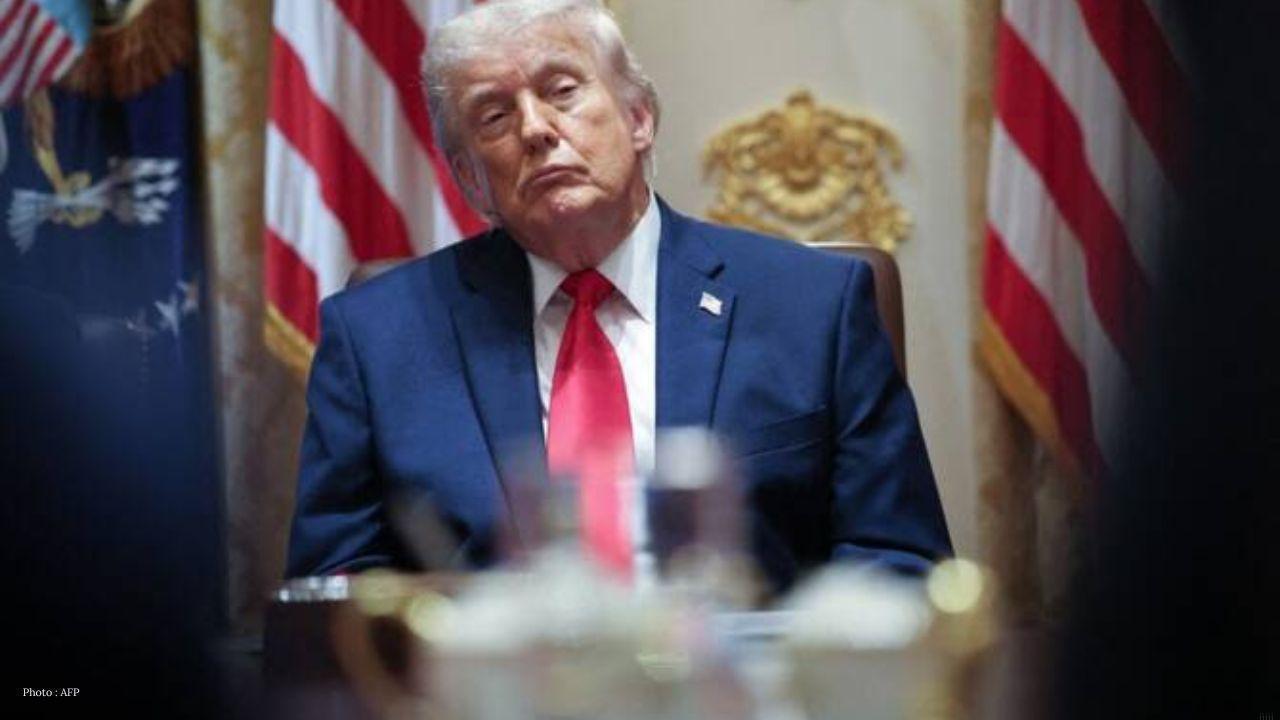
This statement from Iran may also communicate a broader diplomatic intent directed at the United States and other global powers. Ongoing discussions surrounding sanctions, security measures, and military pressures have persisted for years as all parties attempt to safeguard their geopolitical interests.
The prospect of restored or stabilized shipping routes could potentially sway oil prices in global markets. Investors and energy traders frequently respond swiftly to political shifts in the Middle East due to the region’s critical role in energy supplies.
However, analysts caution that the situation remains intricate. Political resolutions in this region often involve multiple nations, security issues, and long-standing disputes that are not easily resolved.
The current environment encompasses various sensitive themes including military engagements, economic sanctions, and intricate negotiations involving leading global players. Thus, any push toward stability will likely necessitate thorough and sustained discussions.
The remarks about the Strait of Hormuz are perceived as both an economic and political indicator. Safer shipping routes could alleviate pressure from global energy markets while effective diplomatic talks may ease regional frictions.
Shipping entities and global markets remain vigilant regarding these developments. Uncertainty in the Gulf region generally influences insurance rates, cargo transit, fuel costs, and investor trust throughout international trade systems.
Governments worldwide are also concentrating on averting substantial disruptions to maritime security. Various nations have retained naval presence and surveillance operations in the vicinity due to the strait’s strategic significance.
This latest update underscores the close interconnection between politics and economics in the Middle East. Decisions regarding diplomacy, security, and military actions can rapidly affect global trade and daily fuel prices in numerous countries.
For the average citizen, variations in oil prices can impact transport costs, utility bills, grocery prices, and overall household budgets. This connection is why events surrounding the Strait of Hormuz attract considerable global attention, even beyond the Middle East.
Despite ongoing uncertainties surrounding forthcoming negotiations, Iran’s comments have ignited cautious discourse about whether diplomacy might play a role in alleviating tensions in one of the globe’s most volatile regions.
The forthcoming weeks are poised to be crucial for both regional politics and global energy markets as stakeholders keep an eye out for potential progress in dialogue, security resolutions, and endeavors aimed at diminishing conflicts in the Middle East.


 English