Post by : Saif
Al-Najjar
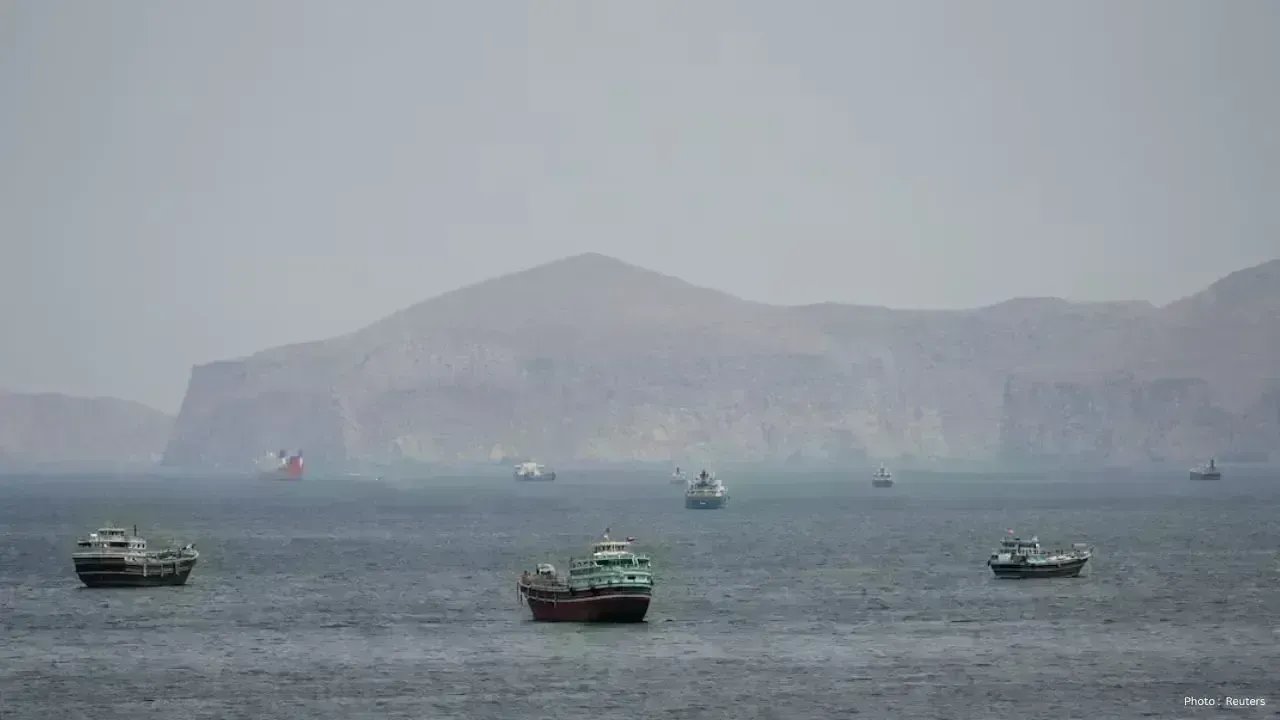
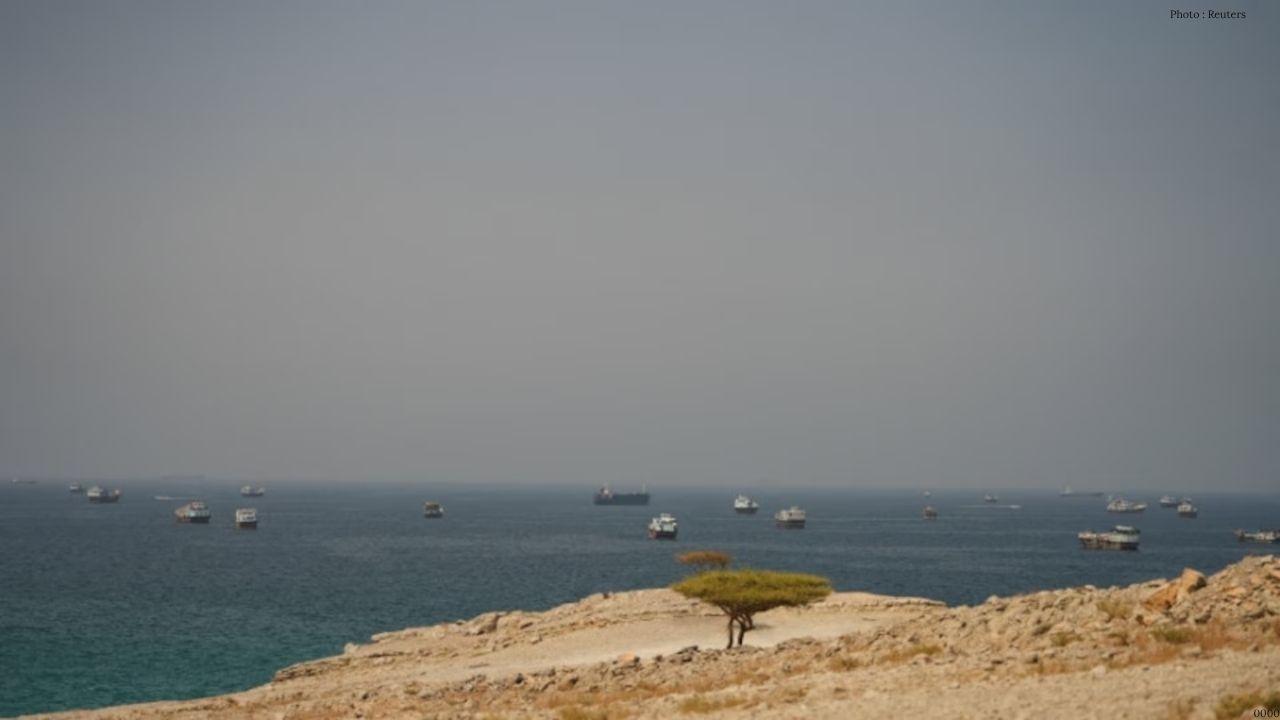
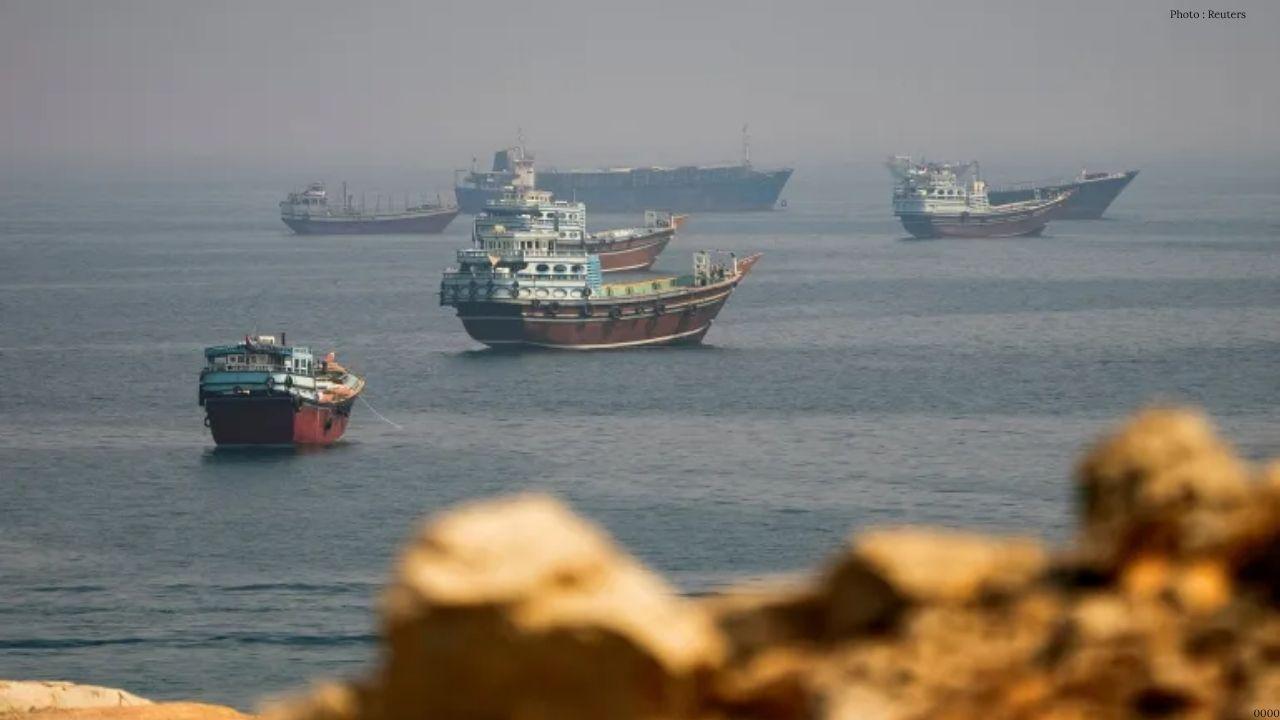
Following the United States' decision to pause military operations, Iran has intensified its control over the Strait of Hormuz, as reported on Thursday. This development has heightened tensions in the region and sparked worries regarding the global oil supply and the safety of maritime operations.
The Strait of Hormuz serves as a vital maritime corridor, with a significant fraction of the world's oil transit occurring through this narrow pathway on a daily basis. Conflicts or restrictions in this region can swiftly influence oil prices and trade dynamics internationally.
In light of the US's military operations pause, Iranian authorities have escalated their patrols in the Strait. It’s been reported that Iranian forces have taken two ships into custody, alleging violations of maritime regulations. However, information regarding the ships and their origins remains unverified.
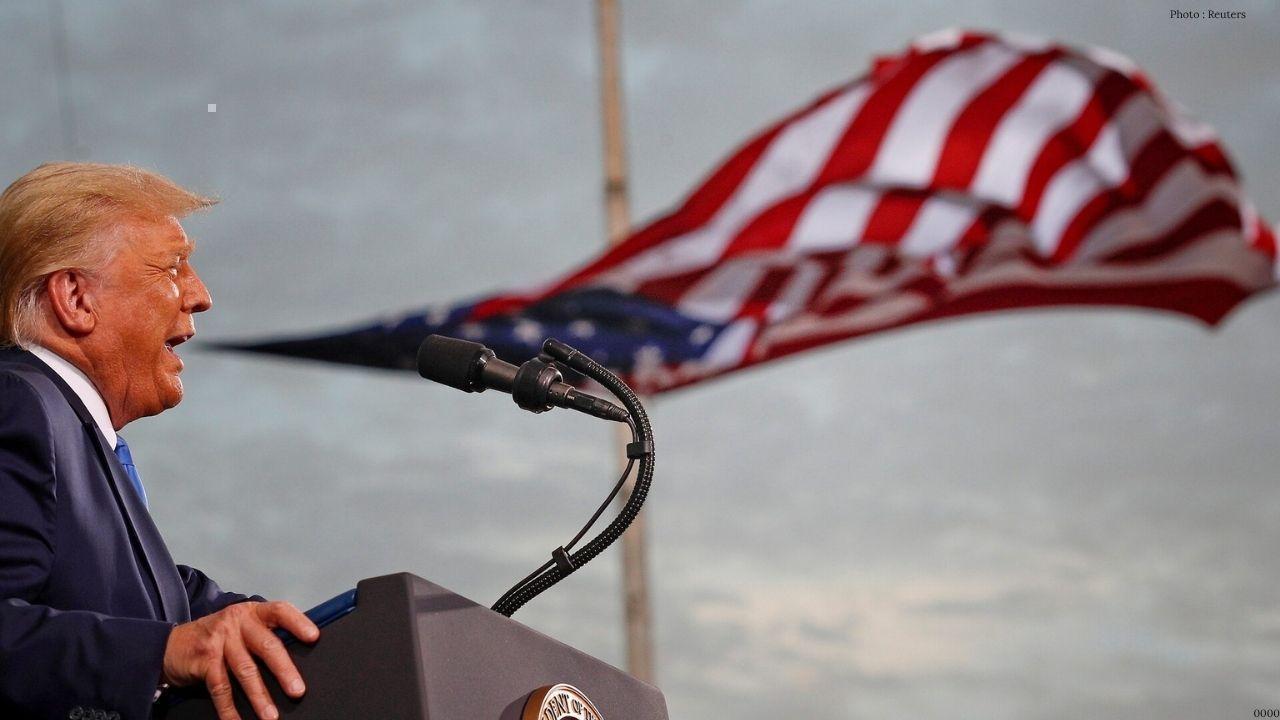
While the US has announced an extension of its operational pause, officials have not confirmed any formal accord with Iran, leading to ambiguity regarding the existence of a ceasefire.
Iran has not accepted the US position unequivocally. Officials from Iran have stated that any long-term agreements will be conditional on lifting restrictions and pressures imposed by the US. This discrepancy in viewpoints contributes to the current uncertainties.
In response to escalating risks, shipping companies are taking heightened precautions. Some vessels are steering clear of the Strait, while others are opting for additional security measures. Correspondingly, there has been a rise in insurance costs for ships transiting the area.
The decrease in shipping activity could have repercussions for global markets. A reduction in vessel traffic through this crucial route risks diminishing oil supplies and driving up prices, potentially impacting fuel expenses and various industries worldwide.
The ongoing tensions between Iran and the US have been an issue for an extended period. Recent military maneuvers have compounded the prevailing uncertainty. Despite the US's current pause in attacks, ground-level tensions persist.
International observers are closely monitoring these developments. Numerous nations rely on oil shipments passing through the Strait of Hormuz, making any disruptions potentially damaging to their economies. There are increasing calls to maintain calm and to prevent further escalation.
As of now, a durable resolution remains elusive. The situation continues to be sensitive, with any minor incident posing the risk of rekindling tensions. The coming days will be crucial in determining if the situation stabilizes or deteriorates.


 English