Post by : Shweta
On Monday, Israel and Iran seemingly halted military aggression after engaging in armed exchanges for the first time since a ceasefire mediated by the United States in April. This latest surge of violence has sparked fears of a renewed widespread conflict in the Middle East. However, both nations indicated a willingness to avoid further clashes while cautioning that they would respond swiftly to any further provocations.
This renewal of hostilities marks a significant breach of the ceasefire established to cease months of conflict between these two regional adversaries. Since the escalation began in late February, it has influenced global market dynamics, increased energy costs, and heightened prices of everyday essentials around the world.
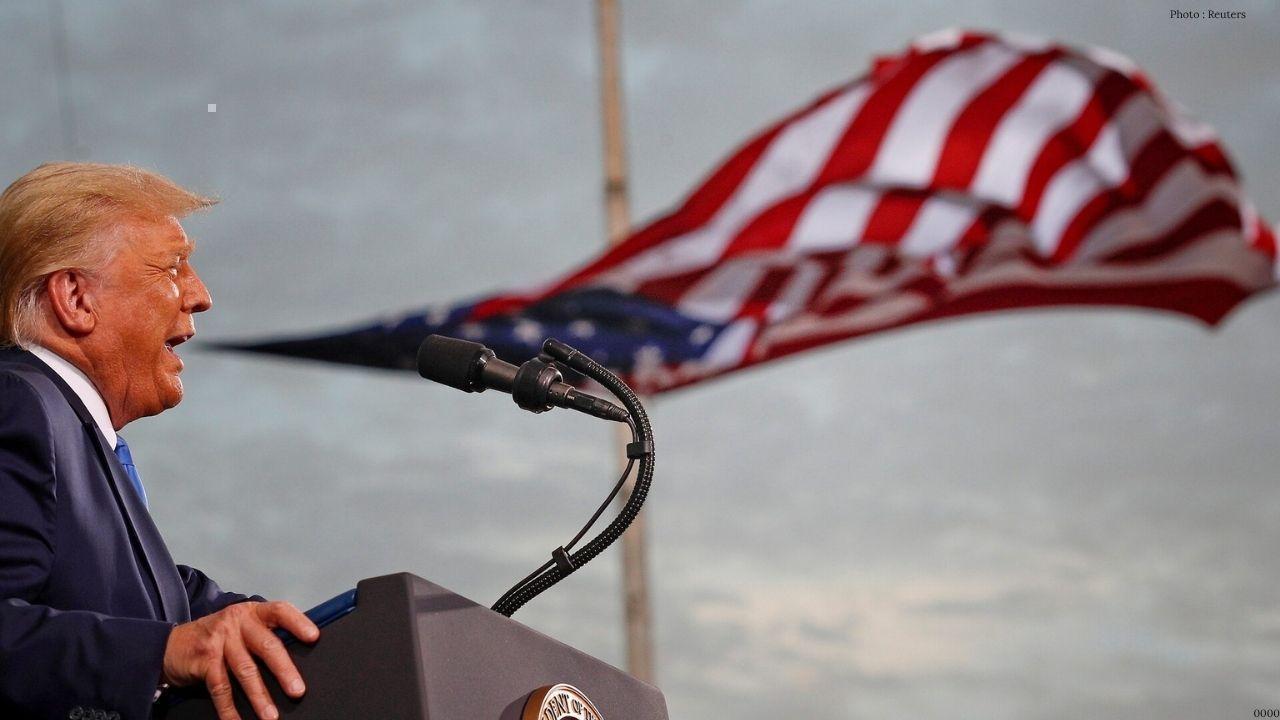
In response to the escalating violence, U.S. President Donald Trump called for an immediate cessation of hostilities. Shortly afterward, Iran’s military declared a suspension of offensive maneuvers, though officials warned that any additional Israeli assaults would elicit a robust retaliation.
Israeli Prime Minister Benjamin Netanyahu recognized the curtailment of recent military action, yet affirmed that Israel would respond forcefully should Iran undertake further aggression. He reiterated Israel's commitment to ongoing military endeavors against Hezbollah in Lebanon and asserted the nation’s right to self-defense as necessary.
As tensions began to de-escalate, both countries commenced lifting emergency protocols imposed during the clashes. Israeli officials announced the reopening of schools that had been closed, while Iranian authorities reinstated civilian flight access through the country’s airspace.
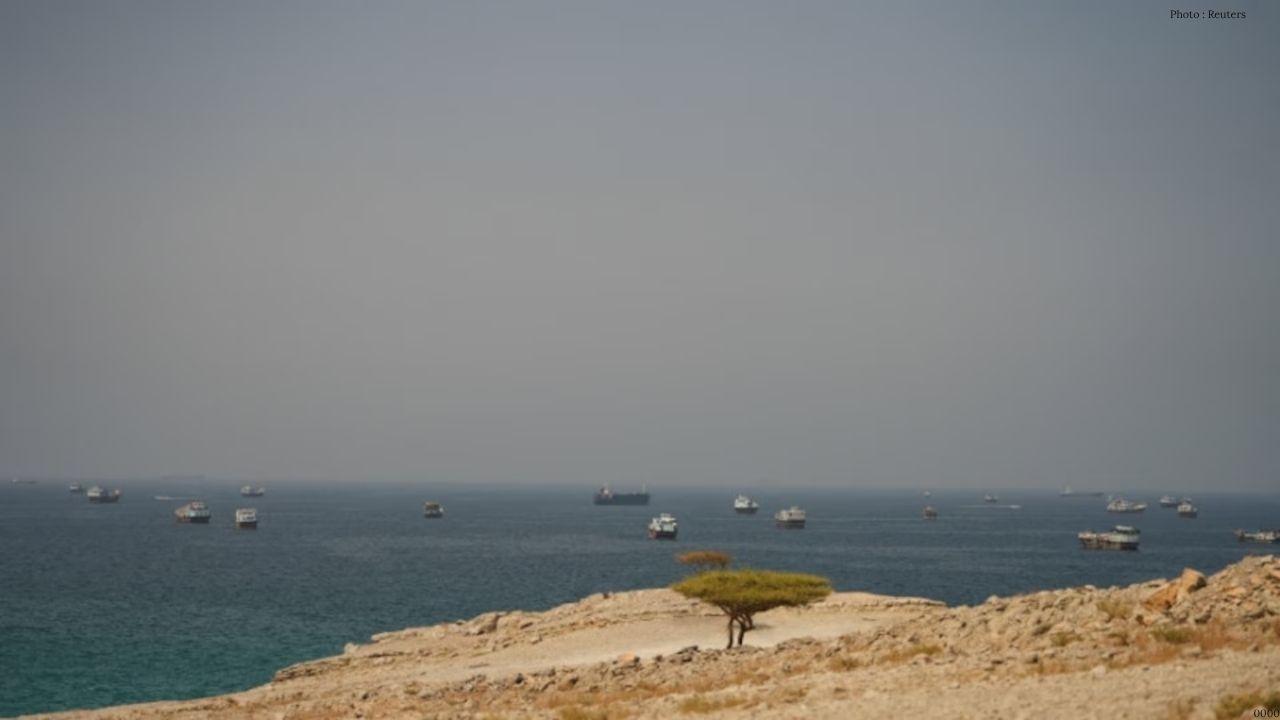
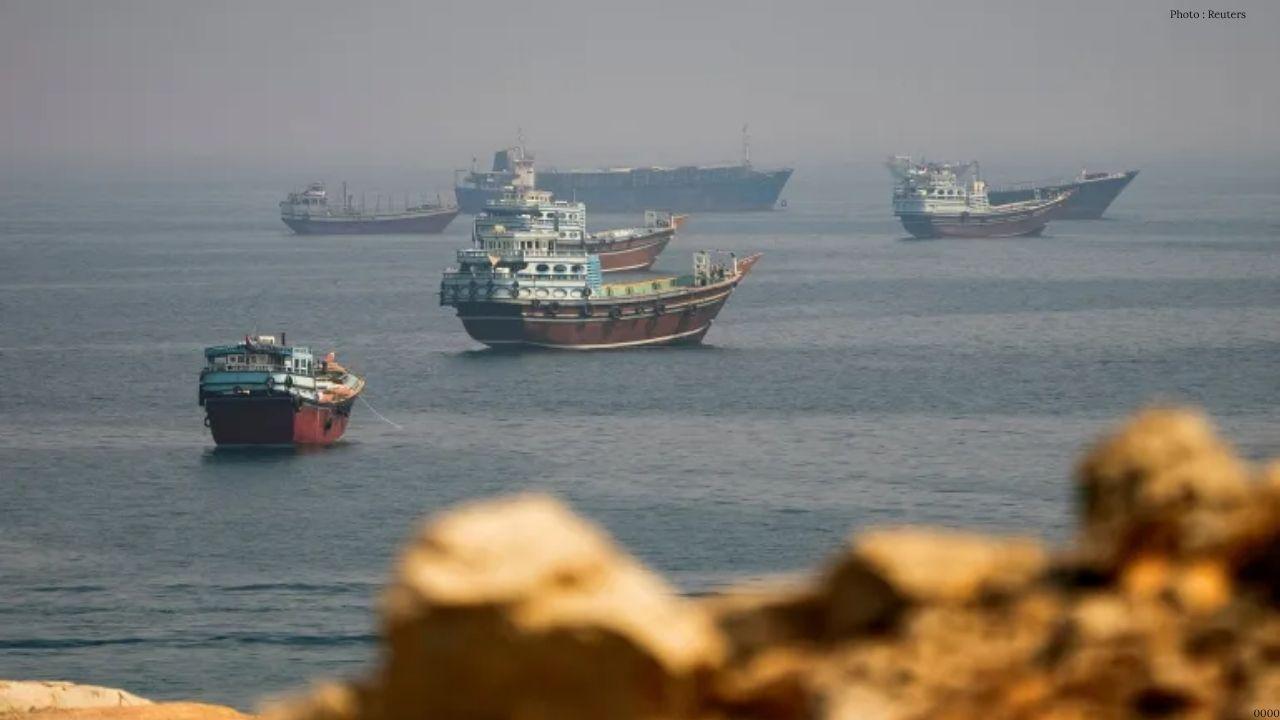
Despite the easing of immediate tensions, several lingering issues still pose threats to the tenuous ceasefire. Iran’s stringent control over the Strait of Hormuz, integral for global oil and natural gas transport, continues to pose risks that have contributed to rising fuel prices globally.
Meanwhile, Israel has persisted in operations against Hezbollah in Lebanon, while the U.S. has maintained its embargo on Iranian ports. On Monday, U.S. Central Command reported disabling an oil tanker in the Gulf of Oman that allegedly sought to breach the blockade. Indian officials later confirmed that all 24 crew members aboard were unharmed after a fire incident.
Diplomatic initiatives have ramped up as regional powers strive to avert a return to full-scale warfare. Leaders from Egypt, Saudi Arabia, Türkiye, Pakistan, and Qatar urged Washington to compel Israel to cease military actions and called on Iran to refrain from attacks against Israel.
Prime Minister Shehbaz Sharif of Pakistan called for restraint, advocating that all involved parties give diplomacy another opportunity. Iran’s U.N. ambassador expressed hope that ongoing talks with the U.S. might lead to a wider peace framework.
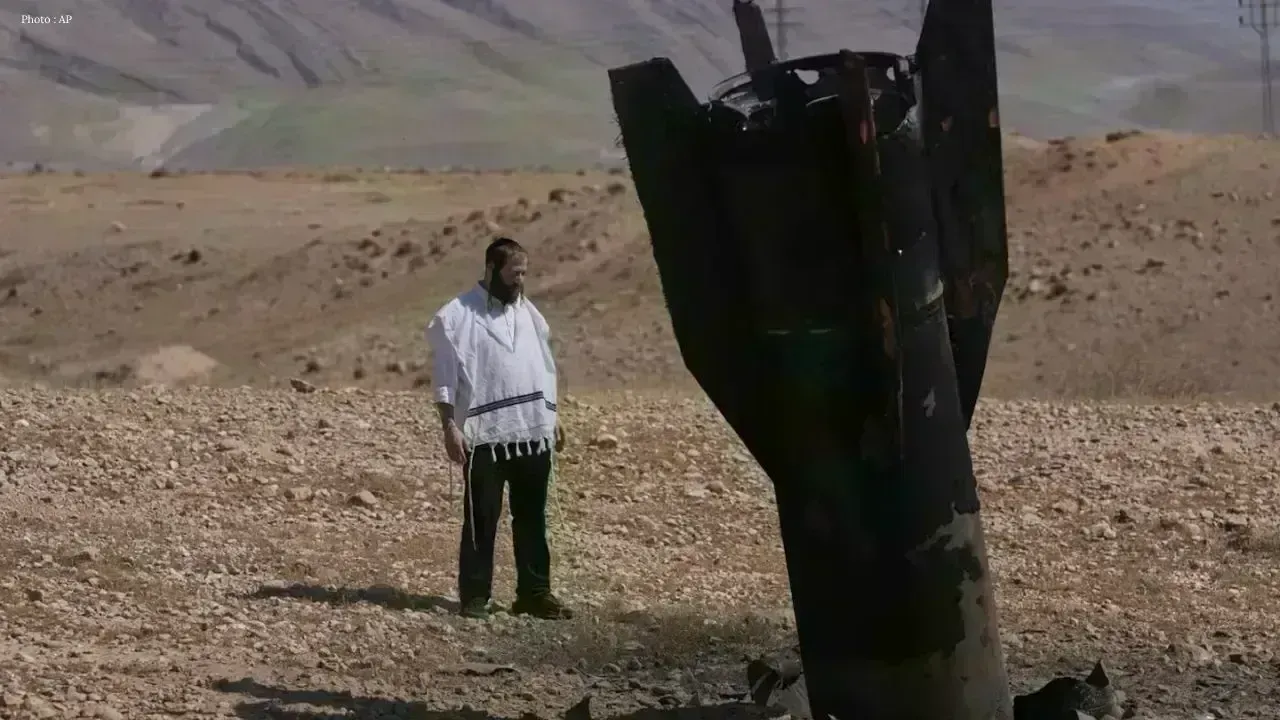
Prior to the calming of tensions, Iran conducted several assaults aimed at Israel, while Israeli forces targeted locations in central and western Iran. Iranian news outlets reported at least 15 injuries due to explosions in Tehran and other urban areas, though no fatalities were immediately reported.
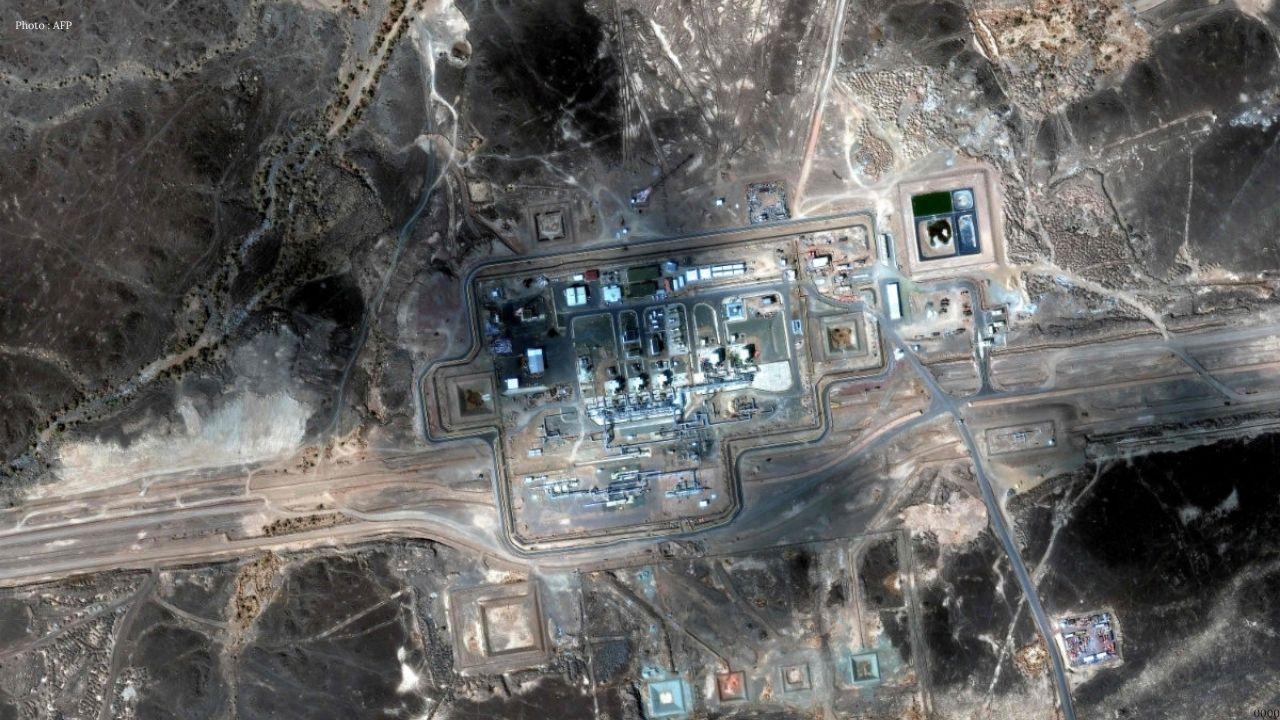
Israeli agents stated they targeted sites associated with missile production and mobile launchers. In retaliation, Iran's Revolutionary Guard claimed to have struck two military installations within Israel.
Iran accused the U.S. of endorsing Israeli operations, asserting that Israel would not act without American coordination. This accusation underscores heightened tensions in the region and reflects the U.S.'s precarious role in curbing further escalation.
Observers note an emerging rift between Trump and Netanyahu. Although the two leaders closely coordinated early in the conflict, diverging strategies have surfaced, with Trump seeking to conclude the war and alleviate economic instability, while Netanyahu faces domestic pressures due to impending elections and remains focused on threats posed by Iran and Hezbollah.
Complicating matters further, the Iran-aligned Houthi movement in Yemen announced its renewed targeting of Israel-linked vessels in the Red Sea, recalling how prior assaults during the Israel-Hamas conflict disrupted key international shipping routes.
While Monday’s cessation has allayed immediate fears of large-scale warfare, uncertainty lingers. Diplomatic engagements are ongoing, with leaders across the region working to uphold the ceasefire and stave off further significant escalations that may destabilize the Middle East and influence the global economy.
For the latest updates and insights, stay tuned with us.


 English