Post by : Bianca
Haleem
Israel’s Finance Minister Bezalel Smotrich has said that Israel should extend its northern border up to the Litani River, deep inside Lebanon, as military operations in the region continue to intensify.
His statement is one of the strongest signals yet from a senior Israeli official suggesting possible territorial changes. Israel says its ongoing military campaign is aimed at weakening Hezbollah, which has been launching rocket attacks into Israel.
The conflict expanded on March 2 when Hezbollah fired missiles into northern Israel. Since then, Israeli forces have carried out heavy airstrikes and ground operations in southern Lebanon, especially in areas south of the Litani River, which Israel considers a Hezbollah stronghold.
Israeli authorities have also ordered residents in these areas to evacuate, while continuing air raids and military actions. According to Lebanese officials, more than 1,000 people have been killed and over one million displaced due to the ongoing assault.
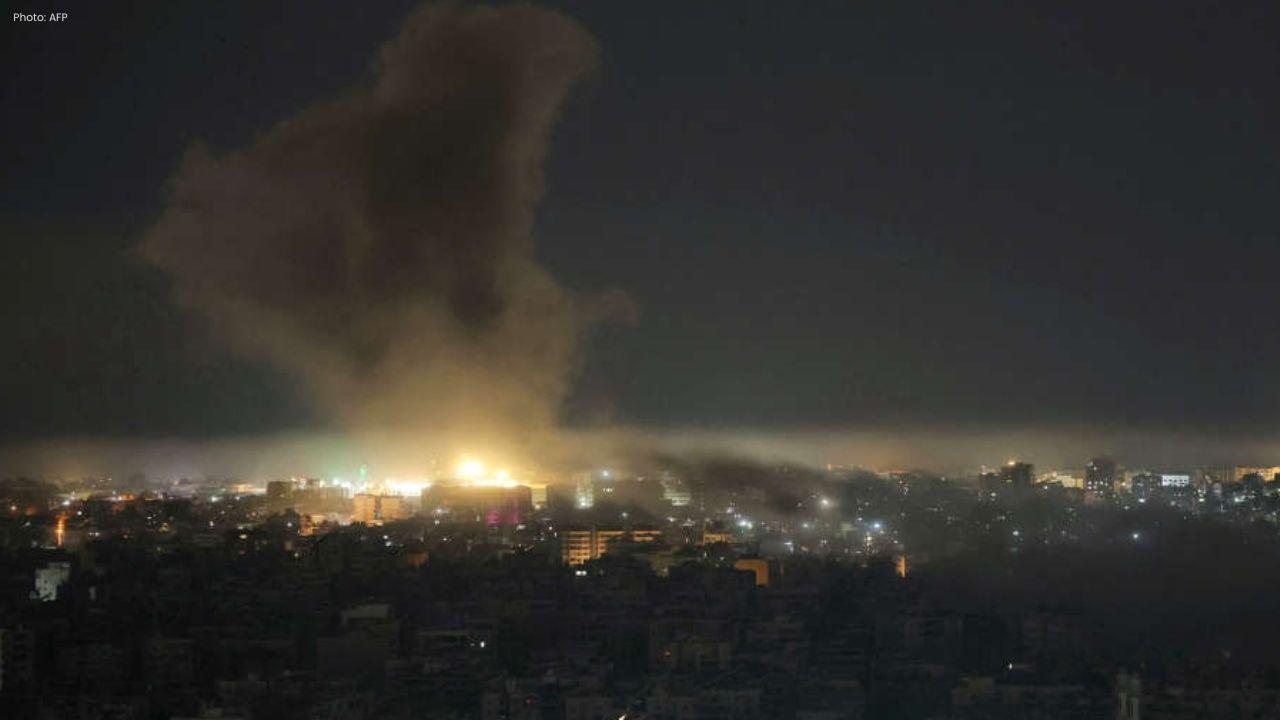
Late Monday, multiple explosions were reported in Beirut’s Dahiyeh district, a known Hezbollah area. The Israeli military said it targeted Hezbollah sites in the city and claimed an earlier strike killed a commander linked to Iran’s Quds Force.
Smotrich stated that the war should end with a “completely different reality,” including changes to Israel’s borders. He said clearly that “the new Israeli border must be the Litani.”
However, a military official declined to comment on political statements, saying current ground operations are limited to areas near the border.
Prime Minister Benjamin Netanyahu has not officially responded to Smotrich’s remarks. Meanwhile, Defence Minister Israel Katz warned earlier that Lebanon could face territorial loss if Hezbollah is not disarmed.
Lebanon has strongly reacted to these statements, as the country has a long history of conflict and past Israeli occupations, including a military presence in southern Lebanon from 1982 to 2000.
The Lebanese government says it is working through diplomatic channels and has proposed direct talks to ease tensions.
On the ground, Israeli strikes have also targeted infrastructure. Bridges over the Litani River have been bombed, cutting off key routes between southern Lebanon and other regions. Local officials report growing shortages of water, electricity, and fuel.
Residents in border towns are facing increasing hardship, with limited access to essential supplies. Movement has become difficult due to damaged roads and ongoing military activity.
The situation remains tense, with fears of further escalation in the region as both sides continue their actions.


 English