Post by : Shweta
Israel and Lebanon have come to an agreement to renew their ceasefire, aimed at alleviating tensions along their shared border and preventing further hostilities. This development follows weeks filled with heightened military exchanges and security incidents that posed risks to regional stability. Officials from both nations, supported by international negotiators, are optimistic that this renewed commitment will foster a more peaceful atmosphere and create room for diplomatic initiatives.
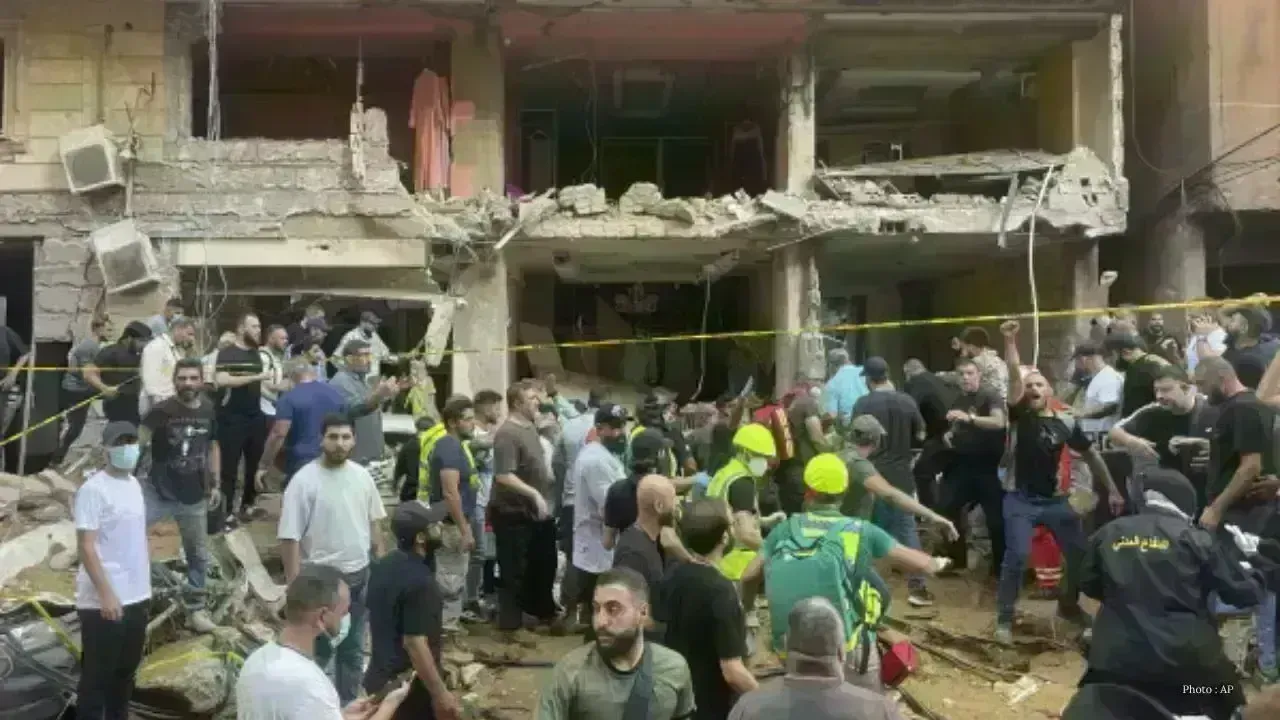
The ceasefire seeks to halt conflicts between Israeli military forces and armed factions in southern Lebanon. Although prior agreements have helped curb violence, achieving lasting stability has proven to be a daunting task. Instances of clashes, cross-border attacks, and military responses consistently challenge the efforts to secure peace along the borders.
International mediators have welcomed the recent agreement, noting its significance in preventing a broader conflict. Diplomatic representatives urge all parties to comply with the ceasefire and refrain from escalating tensions, highlighting the necessity for ongoing dialogue to mitigate security concerns and misunderstandings.
For decades, the border area between Israel and Lebanon has been rife with instability, often related to disputes involving armed organizations, territorial matters, and broader geopolitical conflicts. While ceasefires have occasionally stilled violence, many underlying political and security challenges remain unsolved.
Experts warn that maintaining this ceasefire will demand restraint from involved parties. Any isolated incident could swiftly destabilize the agreement and reignite hostilities. Therefore, monitoring efforts will intensify in the upcoming weeks to ensure adherence to the agreement's terms.
The renewed ceasefire holds particular significance for civilians living near the border. Communities on both sides have experienced disruption and uncertainty from ongoing security threats. Residents frequently adapt their daily routines in light of military activities, making the pursuit of stability essential for local populations.
Humanitarian organizations have expressed support for efforts to mitigate violence. Aid groups continually warn that renewed combat could exacerbate conditions for communities and add strain to local resources. A prolonged calm would enable humanitarian agencies to operate unhindered.
Governments and international stakeholders closely monitor this evolving situation. Numerous countries have advocated for diplomatic strategies to contend with the potential repercussions of escalated conflict beyond the immediate border area. Ensuring stability remains crucial for global leaders aiming to avert larger security crises.
Analysts indicate that the renewed agreement demonstrates a mutual interest in sidestepping a more extensive conflict. Despite considerable differences, the commitment to extend the ceasefire reflects an acknowledgment of the risks tied to heightened military activity. Nevertheless, experts caution that the deal is delicate and will necessitate continual diplomatic efforts for effective implementation.
The ceasefire underscores the importance of international mediation in managing regional conflicts. Diplomacy has facilitated crucial communication during tense periods and created openings for addressing immediate security concerns. Continued involvement from international partners may be crucial for future negotiations and maintaining stability.
Despite these promising strides, observers maintain that achieving long-term peace hinges on resolving deeper political and security issues that have historically fueled tensions. Without advancements in these areas, ceasefire agreements may remain susceptible to failure.
For Canada and other nations watching developments in the Middle East, this renewed ceasefire signifies a positive move toward reducing conflict and fostering regional stability. Countries around the globe continue to advocate for peaceful dialogue and cooperative solutions as the favored approach forward.
The next few weeks will be critical in assessing whether the ceasefire can endure. Adherence to the agreement by all parties could diminish immediate security threats and pave the way for additional diplomatic dialogues. Despite the challenges, this renewed ceasefire presents an opportunity to avoid escalating violence and reinforce stability along the Israel-Lebanon border.


 English