Post by : Sami
Al-Rahmani
Key Factors Driving Public Transport Efficiency in Urban Settings
The effectiveness of public transport isn’t by chance. Cities that boast smooth, effective, and widely utilized public transport systems have achieved this through strategic planning, wise investments, and a focus on user needs. While countless urban areas grapple with traffic congestion, environmental issues, and inconsistent services, others manage to transport millions daily with ease. Understanding what distinguishes effective public transport systems from those that lag offers significant insights for global urban development.
Public transport efficiency encompasses more than just punctual buses and trains; it showcases how a city prioritizes accessibility, cost, integration, and user satisfaction. When all these components work in harmony, public transport becomes the preferred means of travel rather than a secondary choice.
Urban Planning and Density Considerations
A crucial element of effective public transport is well-thought-out urban density.
Cities with compact living, working, and service areas naturally foster public transport use. High-density neighborhoods enable transit systems like buses, metros, and trams to efficiently serve larger populations, making operations more feasible.
In contrast, poorly organized urban sprawl compels citizens to depend on private vehicles, rendering public transport inefficient. Successful cities strategically design transport routes that align with residential areas, business hubs, educational institutions, and essential services.
Effective transportation networks are organized around people’s daily commuting patterns rather than arbitrary political lines.
Unified Transport Networks
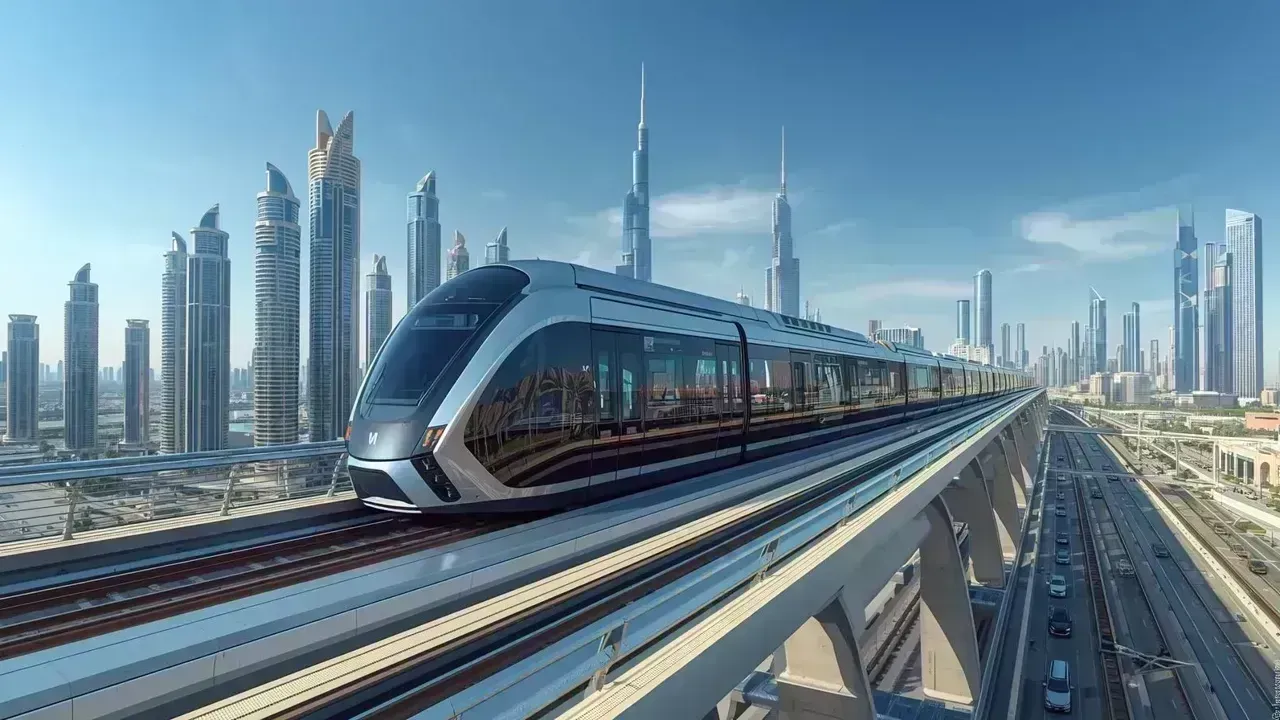
Efficient cities view buses, trains, metros, ferries, and cycling as parts of a cohesive transport network.
Integration entails:
-
Smooth transitions between different transport modes
-
Unified ticketing solutions
-
Coordinated service schedules
-
Clear maps and signage
Commuters should be able to switch from bus to metro to tram with one ticket and minimal wait times. When transport systems cooperate, total travel times diminish, even if segments are brief.
Inadequate integration leads to frustration, missed connections, and a decline in public transport usage.
Prioritizing Frequency and Reliability
Efficiency relies more on consistent service frequency and reliability than on luxury amenities.
People prioritize knowing buses or trains will arrive promptly over high-end interiors. Effective transport systems focus on:
-
High-frequency services during peak commuting hours
-
Reliable schedules
-
Minimal disruptions
-
Real-time information
When public transport is dependable, individuals plan their activities around it. In contrast, unreliable services struggle to attract even budget-conscious passengers.
Dedicated Infrastructure for Transit
Effective cities allocate physical space to prioritize public transport.
Examples include:
-
Exclusive bus lanes
-
Separate metro pathways
-
Traffic signals favoring transit
-
Protected tram lines
Allocating priority to public transport mitigates delays caused by regular traffic. Buses caught in mixed traffic diminish efficiency and trust.
Successful cities grasp that roadways are limited, and emphasizing high-capacity transport benefits the broader populace.
Harnessing Technology and Data
Technological advancements are pivotal to enhancing efficiency.
Effective systems leverage:
-
GPS for real-time tracking
-
Smart traffic control
-
Demand-based service scheduling
-
Data-informed route enhancements
Analyzing passenger patterns allows authorities to adjust service frequency, refine routes, and decrease overcrowding. User-friendly mobile applications deliver real-time updates, service alerts, and route planning tools, simplifying public transport usage.
Technological integration minimizes uncertainty, a key barrier to adoption.
Simplified and Affordable Fare Systems
Complex pricing structures deter usage.
Effective public transport networks provide clear, budget-friendly fare systems that are straightforward. Fixed fares, daily caps, monthly subscriptions, and bundled tickets reduce confusion among users.
When pricing is steady and fair, public willingness to transition from private transport increases. Subsidies often play a role, justified by less congestion, decreased pollution, and lower health costs.
Public transport flourishes when viewed as essential infrastructure rather than merely a business.
Consistent Political Support and Policy Initiatives
Effective systems stem from unyielding political commitment.
Cities with robust public transport are often backed by governments that:
-
Engage in consistent investment, avoiding sporadic funding
-
Safeguard transport budgets
-
Favor long-term planning over immediate popularity
-
Coordinate efforts across departments
Transport infrastructure requires years to provide returns. Cities that continuously alter policies or abandon projects early encounter challenges in establishing trust and efficiency.
Political stability and a clear vision for transport are essential.
Accessibility and Inclusivity Standards
Efficiency encompasses who benefits from the system, not solely speed.
Successful public transport systems ensure accessibility for:
-
Senior citizens
-
Individuals with disabilities
-
Younger populations and students
-
Low-income families
Features like step-free access, audio indicators, clear signs, safe boarding zones, and affordable fare options enhance inclusivity.
When public transport caters to everyone, overall utilization increases.
Emphasis on Safety and Cleanliness
Many people shy away from public transport if they feel unsafe or uncomfortable.
Efficient cities invest in:
-
Well-illuminated stations
-
Visible security personnel
-
Clean transit vehicles and platforms
-
Routine upkeep
Safety cultivates trust, particularly for women, elderly users, and those traveling at night. A clean environment reflects reliability and respect for users.
Inefficiency prevails when fear or discomfort deter individuals from utilizing the service.
Addressing Last-Mile Connectivity
No public transport system can function optimally without addressing the last-mile issue.
Efficient cities provide:
-
Feeder bus services
-
Bicycle-sharing initiatives
-
Walkable infrastructure
-
Ride-sharing partnerships
Transit doesn’t conclude at the terminal. When last-mile solutions are accessible and affordable, public transport transitions into a realistic option for daily commuting.
Neglecting last-mile solutions nudges people towards private vehicles.
Cultural Dynamics and Public Engagement
Efficiency is equally about culture.
Cities where public transport excels often feature citizens who perceive it as normal, esteemed, and responsible. Campaigns to raise public awareness, educational outreach in schools, and positive messaging can help normalize usage.
When community leaders, professionals, and educated individuals opt for public transport, it garners societal acceptance. This reduces stigma and fosters political backing.
Culture reinforces infrastructure.
Stable Funding Strategies
Efficient networks demand a solid funding regime.
Successful urban transit relies on a blend of:
Ongoing Enhancements Instead of One-Off Initiatives
Efficiency in public transport is an ongoing journey.
Successful cities continually:
-
Assess performance
-
Gather passenger feedback
-
Methodically upgrade systems
-
Adapt to growth
They perceive transport as an evolving system rather than a completed task.
Complacency leads to decline.
Challenges Faced by Investment-Rich Cities
Having substantial budgets does not necessarily equate to efficiency.
Commonly encountered challenges include:
-
Inadequate collaboration across agencies
-
Corruption and poor management
-
Neglecting user experience
-
Political meddling
-
Failure to plan for maintenance
Achieving efficiency hinges on quality of execution, rather than merely level of investment.
The Broader Implications of Efficient Public Transport
Effective transportation systems deliver benefits that extend far beyond mere mobility.
They:
-
Alleviate traffic congestion
-
Enhance air quality
-
Boost workforce productivity
-
Facilitate economic expansion
-
Improve overall quality of life
Cities with strong public transportation systems attract talent, tourism, and investments.
Transport efficiency is a catalyst for urban prosperity.
Essential Lessons for Urban Development
The most efficient public transit systems didn’t aim for instant perfection. They focused on people, dependability, and foresight.
Achieving effective public transport stems from:
Disclaimer
This article aims to inform general audiences only. It does not offer explicit urban planning, transportation, or policy advice. The efficiency of public transport depends on various local factors, including governance, infrastructure, population density, and economic conditions. Readers are advised to consult relevant authorities before implementing the discussed concepts in specific scenarios.


 English