Post by : Shweta
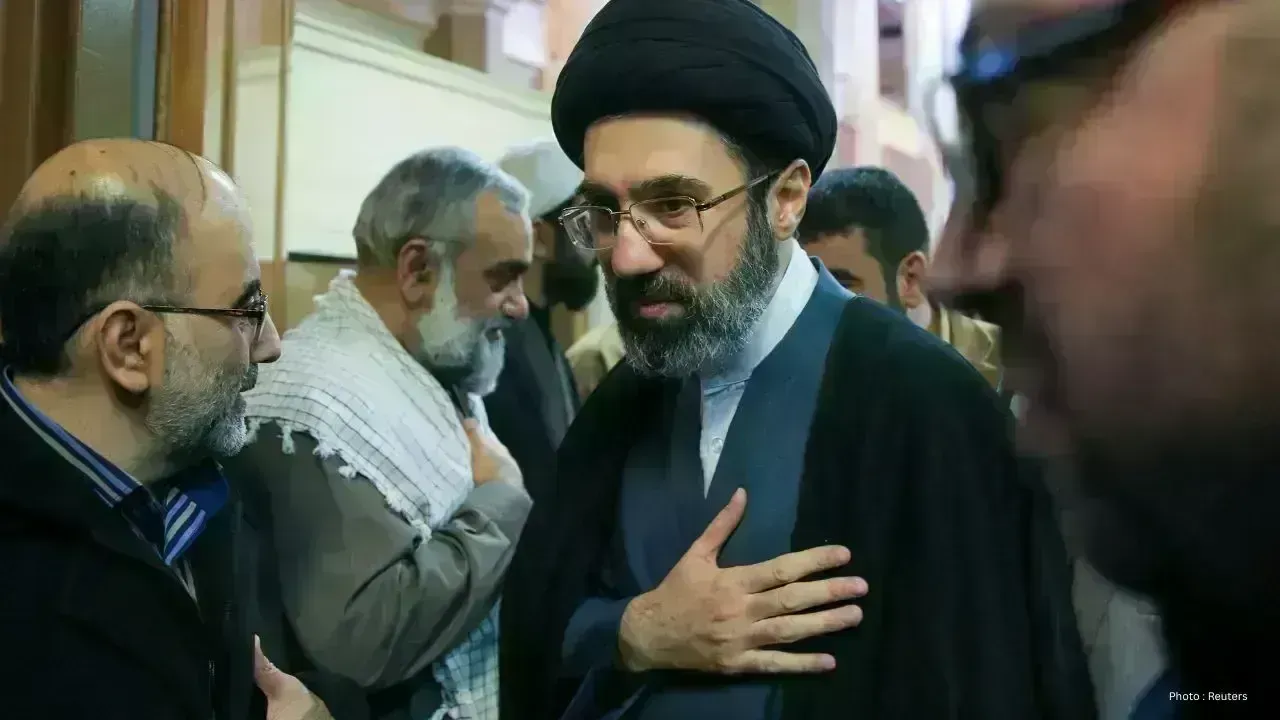
Iran's Supreme Leader Mojtaba Khamenei is reportedly working from a concealed location due to escalating security threats, which is hindering critical negotiations with the United States. As per multiple global reports, officials in Iran are struggling to communicate since messages directed at Khamenei must be conveyed via trusted couriers rather than through standard official channels.
These sources assert that Khamenei has limited his direct interactions with senior officials, prompted by concerns over potential assassination attempts and soaring regional tensions. Consequently, even top Iranian negotiators are experiencing delays in securing approvals and feedback, complicating sensitive negotiations with the administration of U.S. President Donald Trump.
The United States and Iran have been engaged in indirect talks for months regarding regional security, sanctions relief, and Iran's nuclear program. These discussions also encompass tensions in the Strait of Hormuz and military activities throughout the Middle East. However, negotiators indicate that decision-making in Iran has notably slowed, as all final approvals depend on Khamenei's secure communication network.
According to intelligence reports referenced by international media, Khamenei is residing in an undisclosed underground or highly secure site. Only a select group of trusted aides and security personnel are believed to know his precise location. Some sources further allege that electronic communications are largely avoided to mitigate surveillance or attack risks.
The secrecy surrounding Iran's leadership coincides with heightened political and military uncertainties in the region. Faced with ongoing pressures from the United States and Israel amid rising security fears, diplomatic initiatives continue; however, analysts warn that internal communication delays could stall negotiations more than anticipated.
While Iranian officials have publicly dismissed claims of a near-final agreement with the United States, spokespersons state that talks remain ongoing with significant disagreements still unresolved. Key issues concerning sanctions, uranium enrichment, regional disputes, and security guarantees continue to serve as considerable hurdles in the negotiations.
Political analysts observe that current conditions underscore how security concerns can have a direct impact on international diplomacy. The unusual secrecy enveloping Khamenei's activities has introduced uncertainty into Iran's political climate and raised doubts about the speed of decision-making during pivotal negotiations. Many observers predict that the lack of improved communication could prolong the ongoing talks between Washington and Tehran.


 English