Post by : Shweta
Latvia’s Prime Minister has stepped down in the wake of intense political scrutiny regarding stray Ukrainian military drones that allegedly entered the nation's airspace, igniting a national dialogue about border security and defense capabilities amid ongoing regional tensions due to the Ukraine conflict.
This resignation follows a sustained wave of criticism from opposition leaders and security experts, who raised concerns about the lack of immediate action from authorities in response to the unauthorized drones crossing into Latvian airspace. The issue has become significantly sensitive given Latvia's NATO membership and its geographical proximity to Russia and Belarus, making the implications for regional safety much more pertinent.
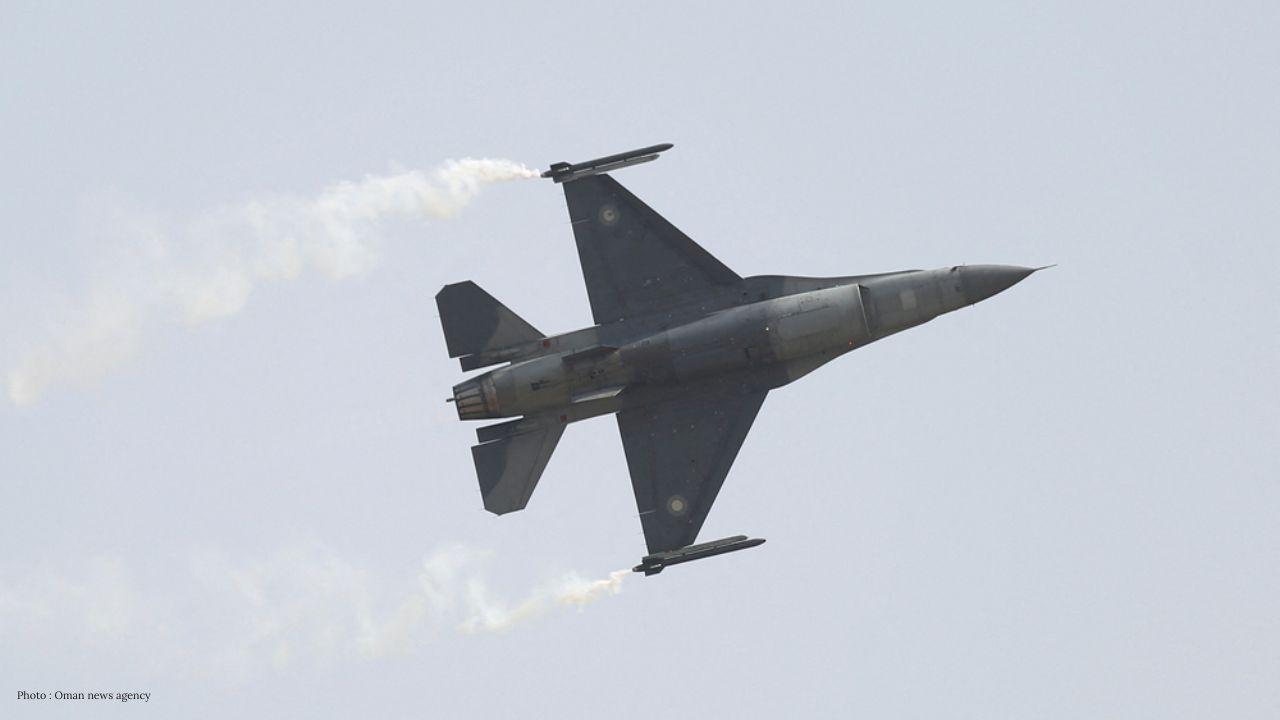
Reports indicate that the uproar began when several drones believed to be associated with Ukrainian military operations were detected close to or within Latvian borders. Officials suggested that these drones may have deviated from their intended paths due to navigation issues, electronic disruption, or military activities stemming from the ongoing conflict.
Despite assurances from authorities that there was no evidence suggesting hostile intent behind the drones, critics contended that the incident highlighted vulnerabilities in Latvia’s air defense mechanisms and emergency readiness. Opposition factions accused the government of sluggish responses and inadequate communication during this significant security incident.
The pressure on the Prime Minister mounted in parliament and from coalition allies as discussions intensified around national defense preparedness. Political rivals stressed that Latvia, situated strategically on NATO's eastern flank, must enhance its monitoring systems and responsiveness to unauthorized aircraft operations.
In announcing his choice to resign, the Prime Minister indicated that this decision aimed to promote political stability and unity. Government officials reiterated Latvia's commitment to supporting Ukraine, while also reinforcing their focus on domestic security enhancement.
This incident encapsulates wider concerns throughout Eastern Europe regarding the escalating dangers posed by the ongoing Russia-Ukraine war. Numerous nations bordering the conflict zone have reported occurrences of missiles, drones, or military debris inadvertently intruding into neighboring territories amid hostilities.
Since the commencement of the war, NATO allies in the region have markedly amplified military surveillance and air defense collaborations to ensure member states are shielded from unintended repercussions associated with the conflict.
Latvia stands out as one of Ukraine’s staunchest allies since the onset of Russia's large-scale invasion, supplying military aid and humanitarian support while also voicing concerns over the broader security challenges in the region spurred by the war.
However, the drone incident has raised domestic anxieties regarding Latvia's preparedness to tackle contemporary aerial threats like drones, missiles, and electronic warfare strategies that are increasingly apparent in modern warfare.
Experts on security affirmed that drone technology represents a growing dilemma for global governance as small unmanned vehicles can traverse extensive distances, evade detection, and foster uncertainty even during unintentional occurrences. Eastern European nations near active combat zones remain particularly susceptible to such risks.
Political commentators suggested the resignation reflects how security-related crises can swiftly alter domestic political landscapes in nations situated close to geopolitical tensions. Public anticipation regarding defense readiness has notably surged across Europe since the commencement of the Ukraine war.
In light of this situation, Latvian officials are now expected to scrutinize air defense protocols, border surveillance frameworks, and emergency communication strategies. NATO allies may also heighten their collaboration with Baltic nations to bolster regional monitoring and rapid response abilities.
The transition in government arrives at a time when Europe is grappling with increased military and political uncertainty linked to the Ukraine conflict. Latvia's incoming leadership is likely to contend with ongoing pressure to uphold robust support for Kyiv while addressing rising public demands for enhanced national security measures.


 English