Post by : Saif
Al-Najjar
Two decades ago, the 2006 Winter Olympics ignited enthusiasm, pride, and international focus on Turin, a city primarily recognized for its industrial prowess and Fiat’s headquarters. Through these Games, Turin aimed to showcase its evolution into a vibrant hub of culture, cuisine, sports, and tourism. The motto “Passion lives here” still resonates with locals, evoking feelings of unity and optimism.
The Games were pivotal in altering Turin's global perception. New sports facilities were constructed, transportation infrastructure was upgraded, and the city unveiled its first metro line. Public spaces became more inviting, while access to nearby Alpine resorts improved dramatically. Most notably, residents experienced a renewed self-esteem; Turin was no longer just an industrial town but a candidate for hosting international spectacles.
Key stakeholders recall the Olympics as a unique collaboration among public institutions, private sectors, and volunteers, all aligned towards a common goal. Events, concerts, and celebrations enlivened the city around the clock, creating a vibrant atmosphere largely missed today. This surge in activity also spurred tourism, revitalizing museums, restoring heritage sites, and paving the way for future significant events such as the Eurovision Song Contest and international tennis championships.
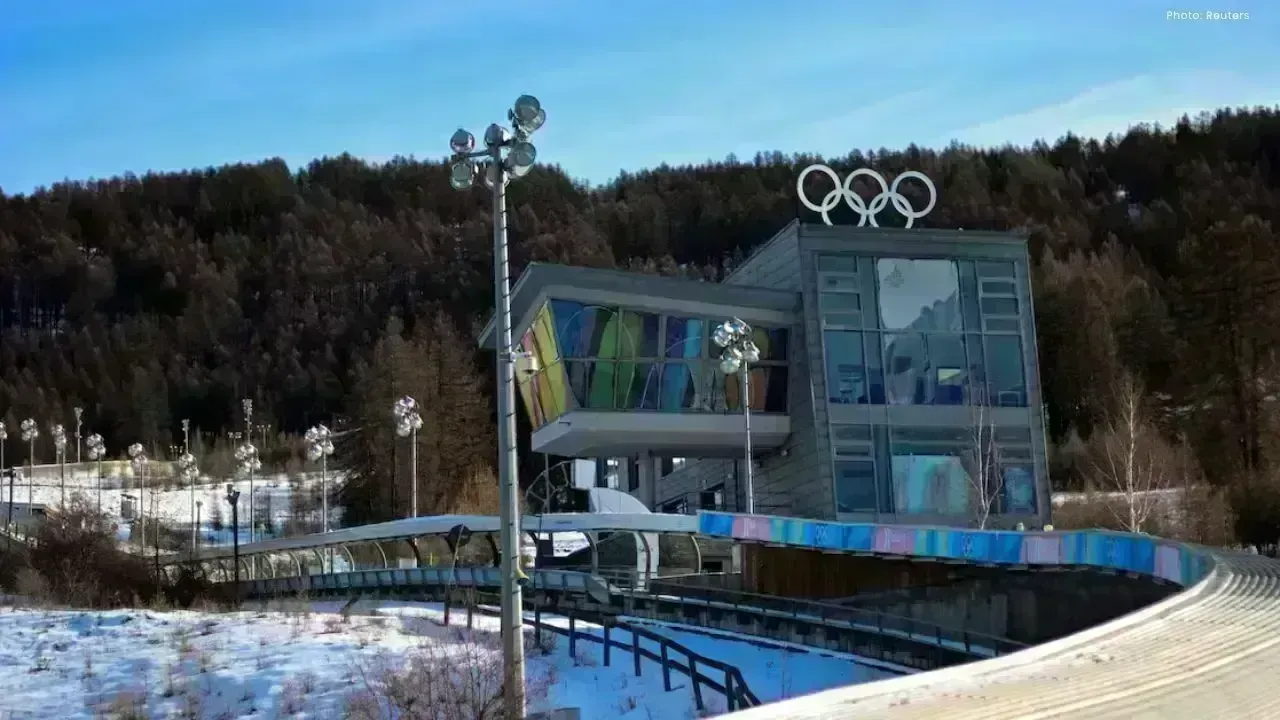
Nevertheless, a more sobering aspect lurked beneath this success narrative. The Olympics left Turin grappling with substantial debt and numerous facilities that became either underutilized or abandoned. While certain venues found new purposes, others have not fared as well. The bobsleigh track in Cesana and the ski jumps at Pragelato remain derelict, having been closed down long ago.
Within the city, one of the Olympic Villages has suffered from years of neglect, leading to damage, illegal occupancy, and unsafe conditions. Eventually, it was cleaned and repurposed for student housing and social residences. In another area adjacent to the old Fiat Lingotto factory, redevelopment plans remain uncertain, leading many locals to perceive it as a squandered opportunity for cultural or educational initiatives.
The daunting financial repercussions of the Games linger in Turin’s landscape. Experts estimate the Olympics incurred costs around 3.3 billion euros. While long-term advantages estimated at 2.5 billion euros in tourism and infrastructure were gained, it still left the city with a net debt of approximately 1.3 billion euros. This financial strain pushed Turin into significant indebtedness, necessitating years of austerity that severely impacted social services and welfare provisions.
Turin still stands as one of Italy’s most indebted cities, although conditions are gradually ameliorating. Substantial public funds continue to be earmarked annually to manage this debt, with former city officials asserting that the Olympics’ financial burden has restricted the city’s investments in education, housing, and vulnerable populations.
These lessons have informed Turin's stance on future events. When Italy proposed hosting the 2026 Winter Olympics, Turin expressed interest in utilizing its existing venues to mitigate costs, but its proposal was overlooked. Consequently, local officials opted against co-hosting with Milan and Cortina, arguing that limited participation would yield minimal benefits while exacerbating expenses.
As Milan and Cortina gear up for the 2026 Games, predicted to exceed 5 billion euros, Turin’s journey serves as a sobering reminder. While major sporting events can foster pride, development, and international fame, they also pose significant long-term risks. Without meticulous planning and realistic financial projections, the gleam of the Games can give way to enduring financial strain.
Ultimately, the legacy of the 2006 Turin Olympics is a complex one. It illustrated how a city could transform and uplift its citizens. Nonetheless, it reaffirmed the crucial truth that passion alone cannot suffice to cover expenses. For upcoming Olympic hosts, Turin’s experience offers both a source of inspiration and a cautionary lesson that must not be overlooked.


 English