Post by : Anis
Al-Rashid
The Significance of Lohri
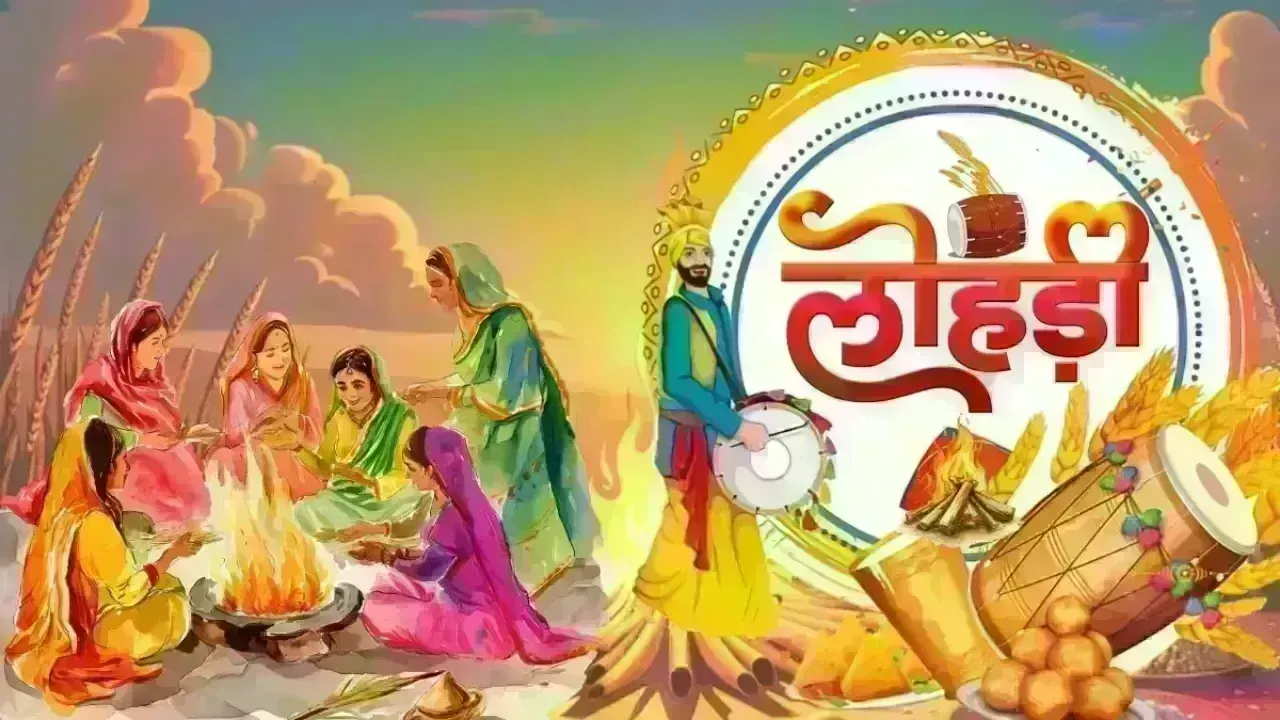
Lohri transcends a mere festival; it embodies a heartfelt expression of community ties, resilience, and appreciation. Originating in North India's rural heart, Lohri denotes the pivotal transition from winter's chill to the promise of brighter days ahead. In 2026, Lohri transforms into a moment of collective joy, with firelight illuminating the night and fostering communal bonds through shared rituals.
Intricately linked to agricultural cycles, Lohri has long served as a beacon of hope for farmers, marking a pause to honor their toil and patience. However, the essence of Lohri is broader—symbolizing bravery, renewal, productivity, and the enduring connection between humanity and nature. Even as urban lifestyles evolve, Lohri remains a vibrant affirmation of tradition and emotional depth.
Date and Timing for Lohri 2026
Lohri Celebration Calendar 2026
Lohri is celebrated every January 13, coinciding with the eve of Makar Sankranti. In 2026, it falls on Tuesday, January 13, with festivities commencing post-sunset, as families gather around bonfires to celebrate the seasonal change.
This alignment with the sun’s journey towards the northern hemisphere is symbolic, embodying extended daylight, agricultural optimism, and an uplifting energy, positioning Lohri at the intersection of culture, astronomy, and nature.
The Fixed Date of Lohri
Differing from many Indian festivals that follow the lunar calendar, Lohri adheres to the solar cycle. This fixed observance emphasizes its connection to nature over ritualistic timing, solidifying Lohri's status as a seasonal marker intimately linked to climate and agricultural realities.
Lohri's Historical Roots
Agricultural Origins
Historically, Lohri’s roots lie in agrarian practices. The festival heralded the sowing of rabi crops, particularly wheat, crucial to North India's sustenance. It served as a moment of appreciation for farmers’ labor throughout the winter, casting hope for an abundant harvest ahead.
As a moment of reflection and gratitude, Lohri evolved from farming into a broader cultural commemoration, extending far beyond rural communities.
The Legend of Dulla Bhatti
A beloved tale linked to Lohri is that of Dulla Bhatti, a folk hero celebrated for his bravery and kindness. The festival sees folk songs recounting his tales, reminding participants of the values of justice and empathy. Thus, history remains alive, shared through generations via oral tradition.
The Bonfire's Twofold Significance
Fire as a Symbol
The centrally placed bonfire serves as a metaphor for warmth, purification, and the energizing force of the sun. Lighting the bonfire signifies purging negativity and welcoming growth and prosperity.
Gathering in a circle around the fire symbolizes equality and unity, reflecting Lohri’s essence of shared humanity.
Rituals Around the Fire
Common offerings—sesame seeds, jaggery, peanuts, popcorn—are tossed into the flames as gestures of appreciation and hope. Families encircle the bonfire, singing folk songs or engaging in silent reflection, nurturing a joyful yet contemplative ambiance.
Cultural Expression through Song and Dance
The Role of Folk Songs
Lohri songs represent vital cultural expressions, recounting heroism, seasonal transitions, and community life. These tunes convey a sense of belonging, linking participants to the narratives of ancestors.
Dancing in Celebration
Bhangra and Gidda dances ripple through Lohri nights, showcasing both strength and joy. These vibrant displays are not just performances but also serve as collective expressions of elation, engaging everyone present.
Culinary Traditions and Significance
Seasonal Fare
The foods associated with Lohri are simple yet steeped in meaning. Dishes like makki di roti and sarson da saag resonate with the agricultural heritage of winter. These culinary treats provide not only sustenance but also a cultural connection to the land.
The Spirit of Sharing
During Lohri, food embodies community spirit. Sharing sweets and snacks fosters a sense of togetherness, transforming personal festivities into collective joy.
Family and Community Connections
Celebrating Life’s Milestones
Lohri holds extra meaning for newlyweds and families with newborns. It publicly acknowledges new beginnings, blending individual happiness with communal blessings.
Passing on Traditions
Children experience their first cultural lessons through Lohri, learning rituals, music, and stories organically, ensuring the continuity of tradition.
Lohri 2026 Today
Modern Celebrations
In urban centers, Lohri adapts to modernity, celebrated in apartments and community halls. While bonfires may be smaller, the spirit of unity remains unbroken.
Digital Celebrations
Technology enhances Lohri with virtual greetings and video calls, enabling participation across distances and expanding the festival's reach while preserving its core essence.
Environmental Responsibility
Eco-Friendly Practices
Increasing awareness promotes more environmentally-conscious Lohri celebrations. Smaller bonfires and sustainable materials hint at a commitment to balancing tradition with ecological responsibility.
Simplicity Above All
Contemporary Lohri emphasizes rituals, familial bonds, and gratitude rather than extravagance, reinforcing the festival's fundamental values.
Conclusion: Lohri as a Dynamic Tradition
Lohri 2026 reminds us that festivals are deep reflections of shared values rather than mere dates. Rooted in nature's gratitude, respect for hard work, and the joy of unity, Lohri continues to bridge generations across evolving landscapes. As warm bonfires glow and songs fill the winter air, Lohri once again celebrates renewal, hope, and the meaning of togetherness.
Disclaimer:
This article is meant solely for information and cultural purposes. Lohri celebrations may differ across regions, families, and communities.


 English