Post by : Saif
Al-Najjar
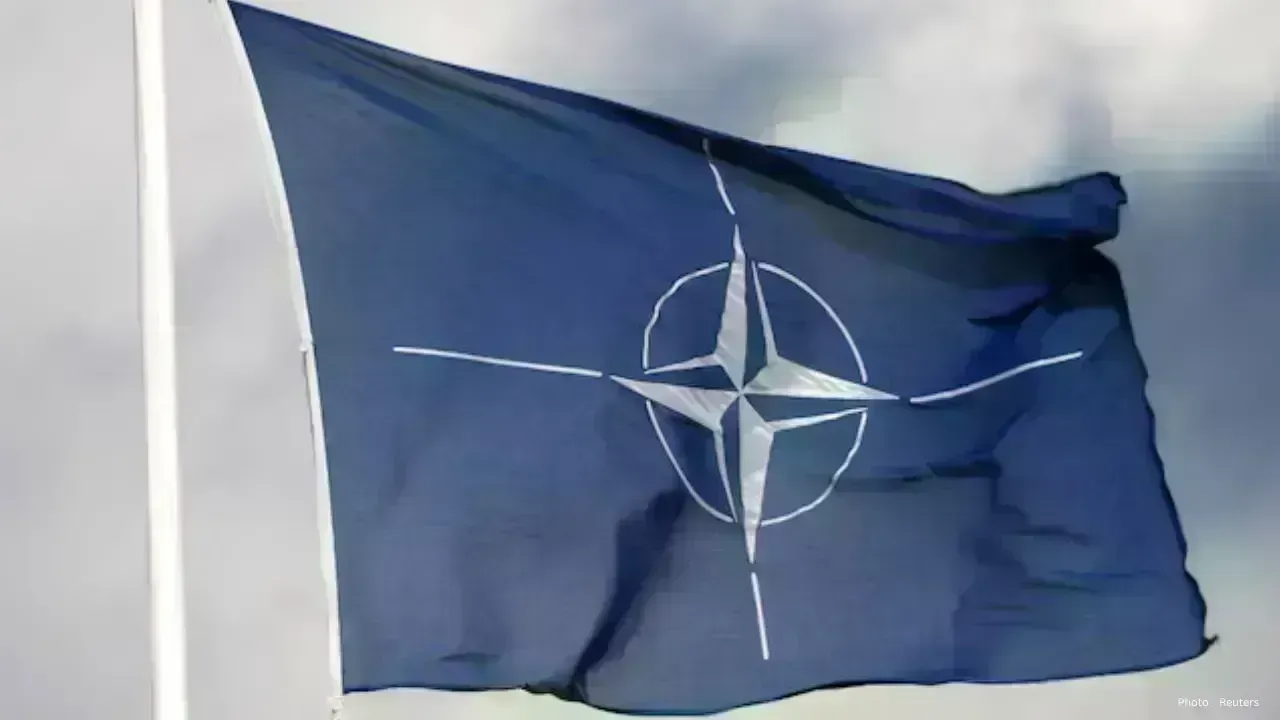
NATO has expressed deep concerns regarding the nuclear strategies of Russia and China, advocating for their collaboration with the United States to enhance global security. This appeal comes amidst escalating tensions among major powers as the world gears up for a pivotal international conference concerning nuclear weapons control.
In its statements, NATO condemned Russia for its aggressive rhetoric concerning nuclear armaments and its withdrawal from critical arms control accords. Additionally, the alliance criticized China's expansion of its nuclear capabilities lacking sufficient transparency.
NATO leaders highlighted that only through cooperation among major powers can the related risks be diminished and misunderstandings averted. Greater transparency, improved communication, and heightened efforts to maintain safety are essential to prevent the unchecked escalation of nuclear arsenals.
The concerns were voiced ahead of the significant review conference for the Treaty on the Non-Proliferation of Nuclear Weapons (NPT), set to occur at the United Nations in New York City. The NPT is a cornerstone global agreement aimed at curbing the proliferation of nuclear arms and encouraging peaceful nuclear energy use.
NATO has reaffirmed its commitment to this treaty, labeling it a vital component of global security. However, previous meetings have often found it challenging to achieve consensus, illustrating the difficulties in aligning countries on such delicate matters.
A NATO representative cited Russia’s deployment of a nuclear-capable missile in Ukraine as an instance of what it terms “irresponsible nuclear signaling,” actions that only heighten global apprehensions.
In contrast, Russia maintains its position as a responsible nuclear entity, accusing NATO of actions exacerbating tensions. China has similarly dismissed the critique, asserting that its nuclear developments are defensive and aimed solely at national security.
The complexity of the situation has intensified with the expiration of significant arms control agreements such as New START, which regulated nuclear arsenals between the US and Russia. Experts caution that, in the absence of such treaties, the potential for a new arms race might rise.
The leading nuclear powers, including Russia and the United States, along with China, France, and the United Kingdom, are significant in shaping the landscape of global peace and security.
NATO maintains that it is a defensive alliance, emphasizing its role is not to threaten but to safeguard its members and contribute to international stability. Nevertheless, it has justified the actions of its members as necessary responses to escalating threats.
The call for collaboration underscores the necessity of dialogue, even amid tensions. The absence of communication risks deepening misunderstandings and increasing perils. Many specialists advocate for renewed discussions involving the United States, Russia, and China to mitigate the potential for further escalation.
The forthcoming conference is anticipated with much scrutiny by the global community as leaders will endeavor to fortify existing accords and potentially establish new agreements. However, reaching a mutual consensus may be a formidable challenge given the diverging interests and lack of trust.
This situation epitomizes a broader dilemma facing the contemporary world. As technology evolves and global frictions amplify, the management of nuclear arsenals grows ever more critical. Nations must navigate their security requirements alongside the obligation to avert conflict.
NATO’s stance is unequivocal: cooperation, transparency, and dialogue are essential for sustaining peace. The feasibility of achieving these objectives will depend on the readiness of major powers to collaborate in the forthcoming months.


 English