Post by : Sami
Al-Rahmani
Navigating Indian Cuisine: A Guide to Mild and Spicy Dishes for Travelers
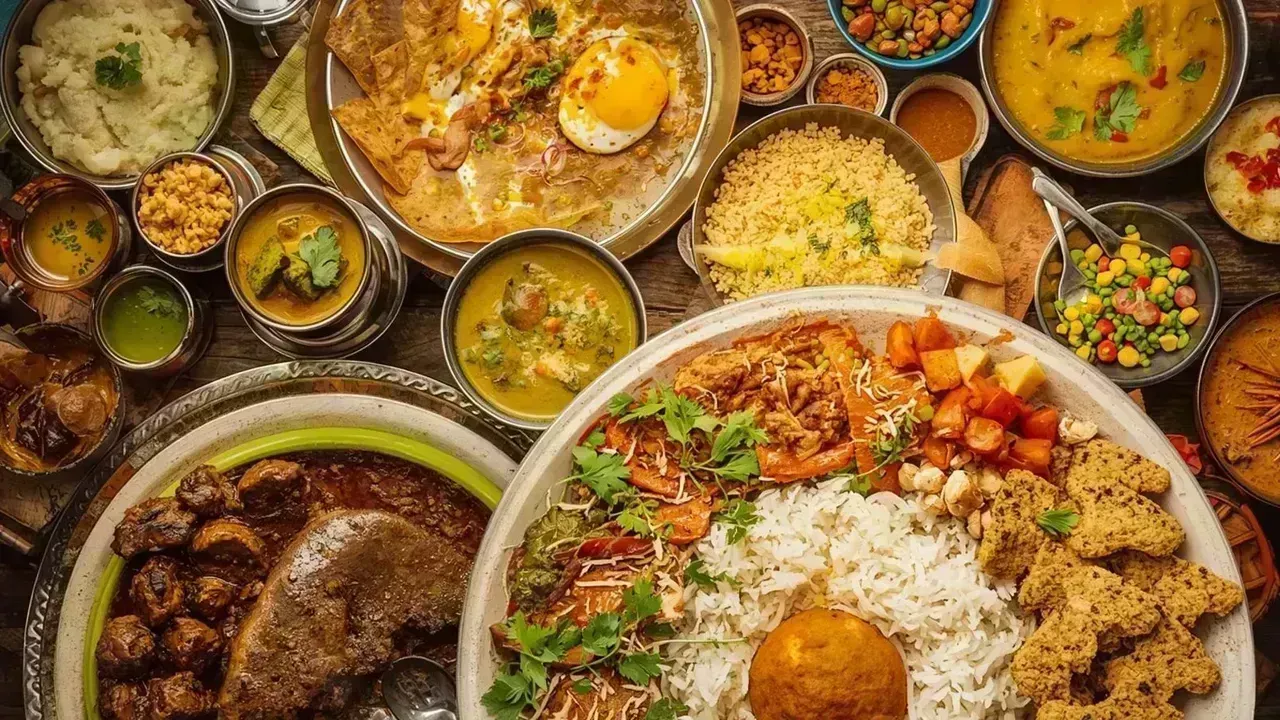
Renowned for its bold flavors and aromatic spices, Indian cuisine can be daunting for newcomers. Many foreigners mistakenly believe that all Indian dishes are fiery, but there's a broad spectrum of heat, from gentle comfort food to highly spiced regional specialties. This guide helps visitors differentiate between mild and spicy offerings in Indian food.
Decoding Spice Levels in Indian Cooking
It's essential to understand that spice does not automatically equate to heat. Many Indian dishes utilize spices such as cumin, coriander, and turmeric to enhance flavor without overwhelming the palate. In contrast, heat usually stems from various types of chili, and a dish can be flavorful yet mild at the same time.
How spiciness is classified in India
In the Indian context, the term “mild” refers to dishes with minimal or no chili heat, whereas “medium” indicates a balanced presence of spices. “Spicy” denotes a significant chili presence, which might be intense for those unaccustomed to it. It's important to note that Indian spice tolerance tends to be higher than that of many Western palates.
Mild Indian Dishes for the Cautious Eater
Several Indian dishes are naturally mild, making them ideal for first-time diners.
Butter Chicken
This popular dish features a creamy tomato gravy that's perfectly balanced with mild spices, making it a favorite among travelers seeking something gentle.
Korma
A rich, nut-based curry, korma is characterized by its creamy texture and mild spices such as cardamom, steering clear of intense chili heat.
Dal Makhani
Made with black lentils and kidney beans cooked in a buttery sauce, dal makhani is not just filling but also very mild, making it a safe choice.
Malai Kofta
This dish features soft dumplings made from vegetables or paneer and is served in a creamy, mildly sweet gravy.
Plain Rice and Breads
Accompanying staple options such as steamed rice, naan, and plain roti can help mitigate the heat of spicier dishes.
Moderately Spiced Options
These dishes deliver some heat, but they're generally manageable when paired with rice or bread.
Chicken Tikka Masala
While spicier than butter chicken, chicken tikka masala maintains a well-rounded flavor profile that's suitable for most visitors.
Palak Paneer
With its creamy spinach base, palak paneer contains green chilies but is generally deemed moderate in spice.
Chole
This North Indian chickpea curry tends to be flavorful without being overwhelmingly spicy, thanks to its tangy spice profile.
Vegetable Biryani
This aromatic rice dish incorporates spices that may range from mild to slightly spicy, especially when served with cooling yogurt.
Approaching Spicy Dishes with Caution
Some Indian dishes are significantly hotter and can be overwhelming for the uninitiated.
Vindaloo
Particularly renowned from Goa, vindaloo features a strong chili and vinegar base, making it one of the spiciest curry options.
Phaal Curry
This dish is recognized as one of the hottest curries available in India and is not recommended for casual dining.
Andhra Chicken Curry
Dishes from Andhra Pradesh are known for their abundant use of red chilies, making them flavorful yet very hot.
Chettinad Curries
Originating from Tamil Nadu, these curries are rich in black pepper and chilies, delivering an intense heat experience.
Spice Levels in South Indian Cuisine
The spice levels in South Indian food can vary significantly.
Idli and dosa are generally mild, especially when served with coconut chutneys. However, Andhra-style foods can be quite hot.
Street Food: A Spicy Dilemma
Street food in India offers a variety of spice levels.
Options like pani puri and samosas can be spicy depending on the chutneys used. However, items like pav bhaji are usually moderate in heat.
How to Order Milder Fare in India
Visitors can simply ask for “no spicy” or “mild, please.” Most tourist-friendly restaurants accommodate these requests. Also, incorporating yogurt or raita can help tone down the heat.
Common Misconceptions About Indian Food
It’s a common myth that all Indian food is spicy. Many home-cooked dishes are surprisingly mild.
Best Regions for Milder Fare
Northern Indian and Mughlai cuisines are typically milder, while Gujarati dishes are often sweet and low in heat.
Why Spicy Food is So Popular in India
Spices are revered for their digestive properties and flavor enhancement, and many Indians build a spice tolerance over time.
Final Recommendations for Travelers
Start with milder dishes and gradually explore the spicier options. Combining meals with rice and yogurt can create a balanced experience. Enjoy the flavorful diversity that Indian cuisine presents!
Indian food is incredibly varied, offering everything from mild curries to fiery specialties, enabling all diners to find something to delight their taste buds.
Disclaimer
This article serves informational purposes; spice levels can differ based on region and preparation. Always inquire with restaurant staff regarding dietary concerns.


 English