Post by : Saif
Al-Najjar
North Korea has commanded the world's attention once more as it unveiled images and details about its uranium enrichment endeavors. This revelation has reignited worries among global leaders and security analysts regarding the nation's nuclear goals and the future of peace in East Asia.
This latest announcement coincides with heightened global focus on multiple pressing security issues. By showcasing advancements in its nuclear program, Pyongyang seems determined to signal its intent to bolster its strategic capabilities in the face of international sanctions and pressure.
Uranium enrichment plays a pivotal role in the advancement of nuclear technology. While enriched uranium can be harnessed for peaceful applications like energy generation, it can also be transformed into nuclear arms when enriched to higher levels. This dual-use characteristic makes enrichment facilities subject to intense scrutiny from global governments and regulatory bodies.
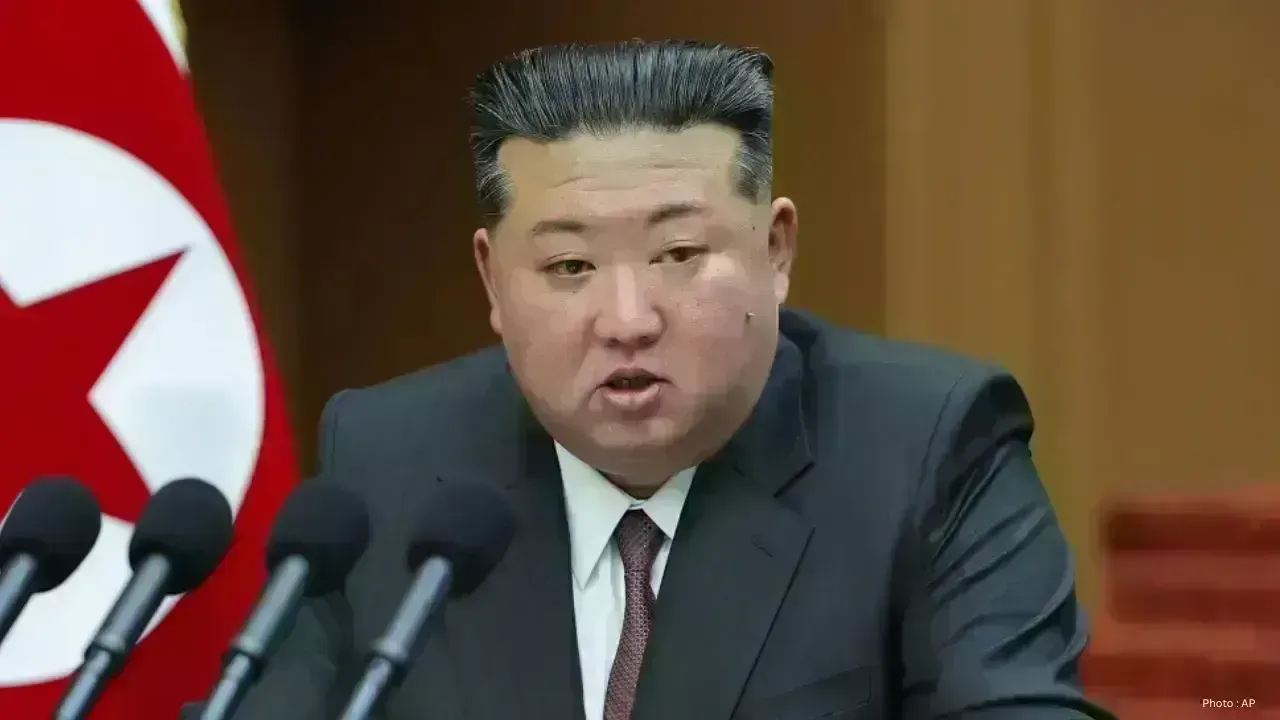
Reportedly, images from state media portrayed leader Kim Jong Un inspecting a uranium enrichment site. This visit was framed as an initiative to enhance the nation's defense infrastructure. Analysts interpret such public exhibitions as efforts to validate military achievements while reinforcing political narratives both at home and abroad.
The nuclear agenda of North Korea has been a continuous source of international friction for decades. Numerous rounds of diplomatic efforts to tackle weapons development concerns have occurred, but reaching sustainable agreements has been fraught with difficulties. Ongoing negotiations among regional powers and global stakeholders have repeatedly hit snags due to disagreements over sanctions, security assurances, and disarmament initiatives.
Experts in military affairs suggest that sustained investment in nuclear facilities may augment North Korea's capacity to expand its strategic arsenal. Enhancements in enrichment processes could allow for increased production capability, which may in turn shape future military planning in the region. These trends are under close observation by neighboring nations and global security organizations.
Regional authorities are expected to approach this recent announcement with caution. South Korea and Japan, both key allies of the United States, have regularly voiced concerns over North Korea's nuclear and missile advancements. Any progress in these areas can significantly impact security strategies across Northeast Asia.
Washington maintains a vested interest in the developments surrounding North Korea's program. Successive U.S. administrations have pursued avenues to curtail nuclear expansion through diplomacy, sanctions, and broader international collaboration. Nonetheless, achieving substantial advancements has proven challenging, due to deep-rooted political divides and conflicting security priorities.
The recent advancements may also sway military strategies across the region. Governments often revise defense policies in response to shifting security landscapes. There may be an increase in expenditure on missile defense systems, surveillance capabilities, and military readiness as part of broader strategies to cope with evolving challenges.
The economic ramifications are equally significant. Prolonged tensions can dampen investor confidence, disrupt trade ties, and hinder long-term development projects. Businesses typically prefer stable operating environments, and uncertainties surrounding security can markedly influence economic decision-making throughout the region.
International organizations continue to underscore the imperative of diplomatic engagement. Experts frequently argue that maintaining dialogue remains the most viable route to mitigating risks and averting escalation. Although negotiations can be arduous and lengthy, diplomatic resolutions are often regarded as the most effective means to secure enduring stability.
Publicly parading nuclear-related activities may also aim to fortify North Korea's negotiating position in future discussions. Demonstrating technological advancements can provide leverage during diplomatic engagements, enabling leaders to approach talks from a presumed position of strength.
Yet, there are ongoing concerns regarding the prospect of heightened regional competition. When a nation enhances its strategic capabilities, neighboring countries often reassess their defense frameworks. This scenario can lead to increased military expenditures and a greater focus on preparedness.
This situation underscores the intricate ties between national security, diplomacy, and international collaboration. Striking a balance among these variables requires meticulous decision-making from governments throughout the region. The actions of one nation can generate extensive repercussions on political and security dynamics beyond its borders.
Addressing nuclear-related issues remains a paramount challenge for the international community. Efforts to foster dialogue, transparency, and confidence-building will continue to be crucial in reducing misunderstandings and ensuring stability.
North Korea's latest uranium enrichment developments underscore the ongoing centrality of nuclear issues in regional security dialogues. As governments closely monitor these developments, the spotlight remains on whether future diplomatic initiatives can attenuate tensions and promote a more secure environment.


 English