Post by : Anis
Al-Rashid
A New Dawn for Ocean Energy
For years, wave and tidal energy remained on the fringe of renewable energy discussions. Despite their vast potential, technical challenges and costs hampered expansion. Today, this narrative is changing as commercial wave and tidal projects gain momentum, thanks to collaboration among governments, researchers, and clean-tech innovators.
In contrast to solar and wind, which rely on variable conditions, marine energy provides a stable and consistent power source. This reliability positions wave and tidal energy as a vital renewable option, especially for countries blessed with extensive coastlines and powerful ocean currents.
Importance of Ocean Energy in Today's Context
A confluence of global challenges is pushing us toward ocean-based energy solutions:
-
the urgent need for consistent clean energy
-
strict climate goals aimed at achieving net-zero emissions
-
a need for diversified renewable resources
-
a push to reduce dependency on fossil-fuel power backups
-
coastal nations striving for energy autonomy
Wave and tidal energy's predictability—years in advance—offers grid managers an essential, stable power flow, distinguishing it from other renewable options.
The Mechanics of Wave and Tidal Energy
Wave energy captures surface wave movement, while tidal energy utilizes the gravitational forces of the moon and sun to harness predictable tidal movements.
Key attributes are:
-
predictability: tides operate on a defined schedule
-
consistency: waves are affected by global wind patterns
-
high energy density: ocean water is denser than air
-
minimal visual footprint: most apparatuses stay underwater
-
strong night performance: energy generation continues after sunset
These factors position ocean energy as an optimal partner for wind and solar, enhancing the stability of national energy frameworks.
Innovations Fuelling the Transition
In the last year, marine energy technology has evolved rapidly, resulting in devices that are more robust, efficient, and cost-effective. Innovations cover all aspects, from design and materials to installation techniques.
Significant advancements include:
-
corrosion-resistant materials that enhance longevity
-
versatile floating platforms that lower installation budgets
-
compact turbines minimizing seabed impact
-
modular components facilitating effortless repairs
-
AI-enhanced predictive maintenance
-
energy capturing devices effective in low-wave areas
-
underwater robotics improving the installation and oversight processes
These innovations are dismantling the historical roadblocks that plagued ocean energy.
Leading Technology: Tidal Stream Turbines
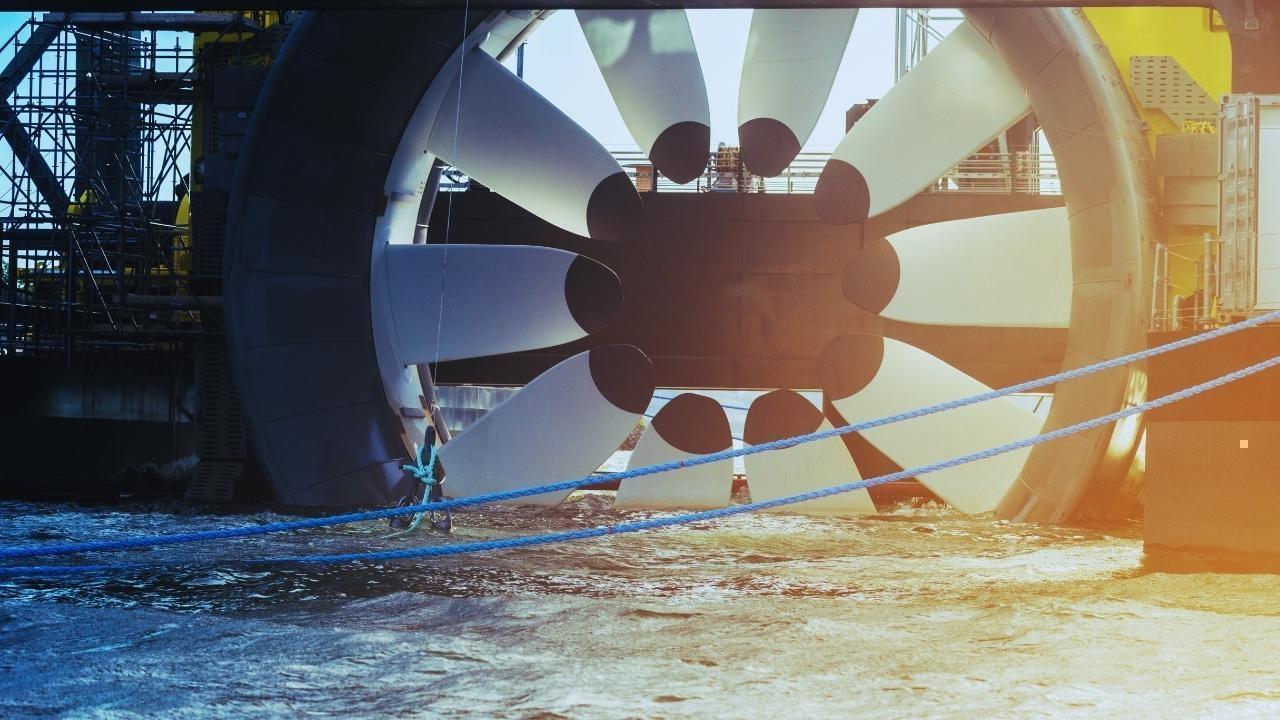
Tidal stream turbines function similarly to underwater wind turbines and represent the frontrunners in commercial marine energy technologies.
Reasons for their rapid adoption include:
-
predictable energy generation
-
modular and efficient architecture
-
ability to harness strong current
-
limited impact on maritime activities
-
reduced upkeep due to shielded components
Nations with natural tidal flows, including the UK, Canada, France, South Korea, and parts of Southeast Asia, are progressively boosting their capacity.
Wave Energy Converters: Emerging Contenders
Wave energy converters, available in numerous designs like point absorbers and oscillating water columns, are enjoying recent engineering successes.
Novel advancements feature:
-
flexible membranes mimicking aquatic life
-
multi-directional energy capture
-
hybrid WEC-solar systems
-
small-scale technologies targeting island populations
These advancements make wave energy feasible in areas where prior efforts faltered.
Growth Through Hybrid Marine Systems
Marine hybrid solutions represent an exciting breakthrough. Companies are starting to combine wave and tidal technologies with:
This integration shares infrastructure while reducing costs. Hybrid platforms help stabilize energy production—when wind is low, waves may be high, and vice versa.
Decreasing Costs Trend
Previously, wave and tidal energy were costly, but prices are quickly falling due to:
-
enhanced materials
-
scalable manufacturing practices
-
more effective supply chain strategies
-
extended equipment lifetimes
-
streamlined installation methods
-
optimized designs to minimize wear
As production levels increase, further cost reductions are expected, mirroring trends noted in solar and wind energy.
Positive Environmental Impact
Initial critiques raised alarms over potential marine life disruption caused by ocean devices. However, emerging studies suggest a much more favorable outlook.
Ocean energy technologies can:
-
form artificial reefs
-
attract diverse marine species
-
eliminate seabed drilling
-
curtail carbon-intensive coastal energy generation
-
operate quietly in comparison to traditional maritime or oil operations
When designed thoughtfully, wave and tidal power systems can benefit marine ecosystems.
Direct Advantages for Coastal Communities
Wave and tidal energy initiatives provide reliable electricity to underserved coastal and island regions where conventional renewable options are limited.
Benefits encompass:
-
consistent and clean electric supply
-
lessened reliance on diesel generators
-
job creation within marine sectors
-
enhanced energy self-sufficiency
-
predictable output year-round
Communities in areas like the North Atlantic, Pacific Islands, and Nordic coastlines are experiencing these advantages directly.
Grid Enhancement: A Vital Benefit
Renewable energy’s primary challenge is its variability. Ocean energy offers a robust solution:
-
steady daily energy cycles
-
power even during storm conditions
-
reduced seasonal variations compared to wind and solar
This reliability positions tidal and wave power as key assets for national energy management.
The Role of Marine Energy in Meeting Climate Goals
To achieve climate targets, nations require a diverse array of renewable energy sources. Wave and tidal power bring:
-
high reliability
-
excellent compatibility with energy storage
-
strong performance at night
-
suitable solutions for countries with expansive marine territories
As decarbonization efforts ramp up, ocean energy is increasingly becoming integral to national energy strategies across the globe.
Rising Investments and Policy Backing
There is a marked increase in funding from governments and private sectors for marine energy initiatives. Coastal nations are implementing:
-
tax benefits
-
grants for green infrastructure
-
streamlined regulatory processes
-
green-lighting pilot projects
-
collaboration on research initiatives
These approaches are expediting deployment significantly.
Ongoing Challenges to Overcome
Despite advances, ocean energy still grapples with several hurdles:
-
significant initial expenses
-
challenging marine environments
-
restricted supply chain capacities
-
slow-moving regulatory timelines
-
challenges in scaling up production
-
complex maintenance requirements
Nevertheless, advancements in engineering and international collaboration are addressing these concerns head-on.
Optimism for the Coming Decade
There's strong belief among experts that wave and tidal energy will see explosive growth due to:
-
global electrification demands
-
the urgency of addressing climate change
-
reducing cost trajectories
-
enhanced longevity of devices
-
solid backing from governments
-
growing investor interest in stable renewable ventures
As these elements converge, marine energy is set to become a significant power player.
Future Visions for Marine Energy
Looking ahead, we can anticipate:
-
multi-technology ocean energy hubs
-
modular tidal systems suitable for rivers
-
underwater energy storage solutions
-
floating hydrogen energy production
-
marine charging stations for vessels
-
AI-managed marine microgrid systems
Ocean energy is poised to extend its reach beyond residential use, potentially impacting industries, transportation networks, and offshore operations.
In Closing
Wave and tidal energy are moving beyond the experimental phase. Thanks to technological advancements, greater environmental compatibility, decreased costs, and bolstered policy support, these renewable sources are beginning to scale up. Coastal nations and island communities stand to gain immensely as ocean power becomes an integral part of clean energy solutions globally.
This transition signifies a pivotal point in the progression towards resilient, sustainable, and diversified renewable energy landscapes.
Disclaimer:
This article outlines developments in global clean energy. Actual deployment and performance of technologies may vary by location, and local energy authorities should be consulted for region-specific information.


 English