Post by : Shakul
Global oil prices retreated sharply on Friday as traders reassessed supply risks in the Middle East and reduced positions built during recent geopolitical tensions. The decline pushed major crude benchmarks below the important $90 per barrel level, reversing gains that had been fueled by fears of disruptions around the Strait of Hormuz.
Brent crude, the international benchmark, dropped to $87.70 per barrel, while West Texas Intermediate fell to $84.99. Murban crude, a key benchmark for Middle Eastern exports to Asia, also recorded significant losses and slipped below $84 per barrel. The decline reflected growing confidence that major oil supplies remain uninterrupted despite ongoing regional tensions.
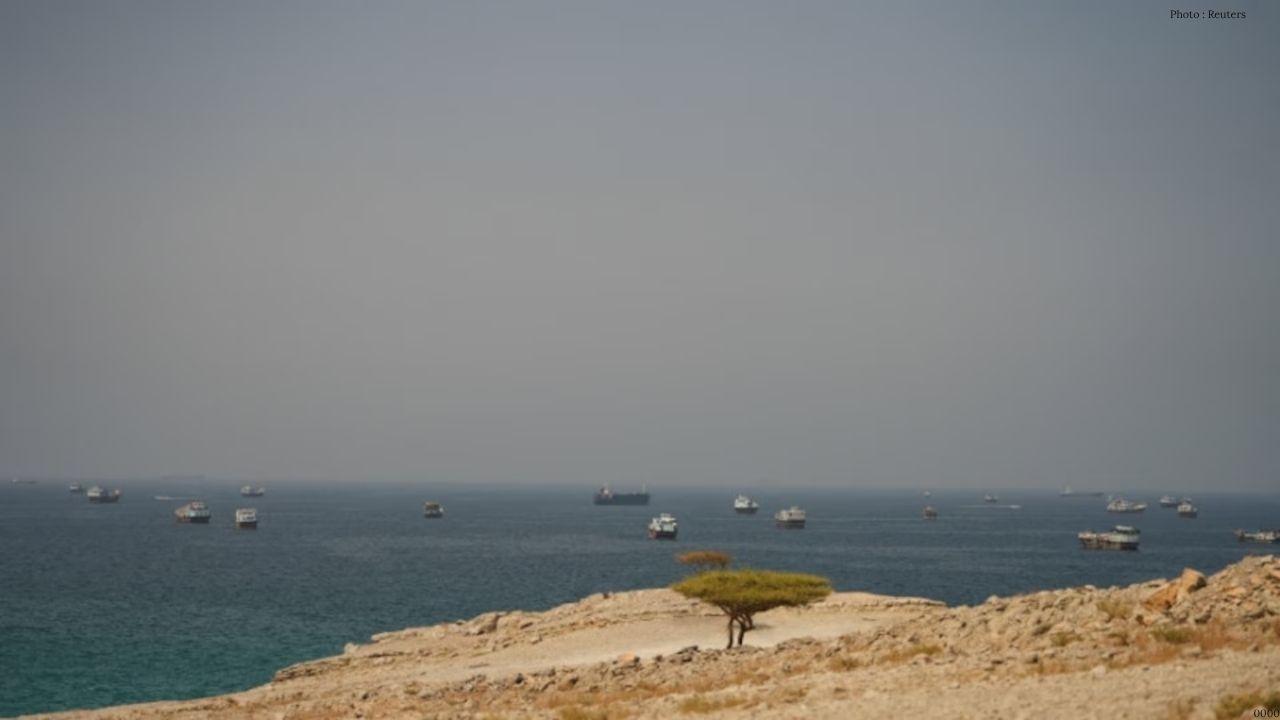
Market participants had earlier feared that escalating tensions involving Iran, the United States and regional allies could threaten shipping activity through the Strait of Hormuz, one of the world’s most important energy corridors. However, oil tankers continue to move through the waterway and no major Gulf producer has reported significant disruptions to exports.
Analysts believe traders are now removing a large portion of the geopolitical premium that had been built into prices during the recent crisis. Investors increasingly expect that spare production capacity held by Saudi Arabia and other OPEC+ producers could help offset any potential reduction in supplies if disruptions occur in the future.
At the same time, attention has shifted back toward concerns about global demand. Slower manufacturing activity in Europe, uneven economic recovery in China and persistently high interest rates in several major economies have raised questions about future fuel consumption. These factors have placed additional downward pressure on crude prices.
The recent decline was also accelerated by profit-taking among hedge funds and commodity traders who had accumulated bullish positions during the Middle East tensions. As oil failed to maintain momentum above the $90 threshold, many investors chose to lock in gains, contributing to the sharp pullback across energy markets.
Despite the latest decline, analysts caution that oil markets remain highly sensitive to developments in the Gulf region. Any disruption to shipping through the Strait of Hormuz could quickly reverse the current trend and send prices sharply higher. For now, however, traders appear focused on stable supplies, sufficient production capacity and softer global demand, resulting in a more balanced outlook for crude markets.


 English