Post by : Saif
Al-Najjar
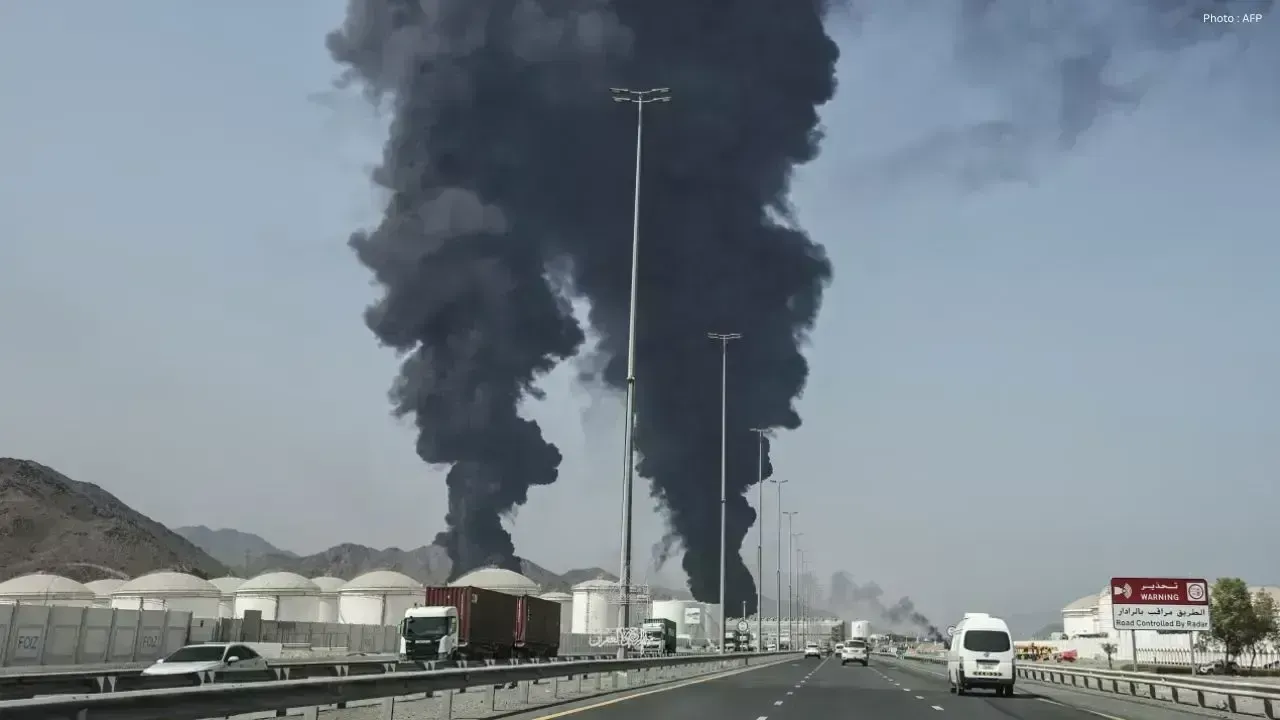
In light of an explosion at the Mina al Fahal export terminal, Oman has temporarily ceased oil loading operations. This terminal is vital to the country's crude oil export framework, compelling global energy markets to take notice.
The timing of this suspension is critical, as international energy supplies remain delicate. Traders and governments are keenly watching developments in the Middle East, where any major disruption can unsettle market confidence and raise doubts about oil shipments.
While the cause of the explosion has not yet been fully disclosed, the halt in loading activities reflects Oman's commitment to safety as officials conduct assessments and inspect the damaged facility. Post-incident safety measures are standard practice for energy infrastructure to ensure operational security.
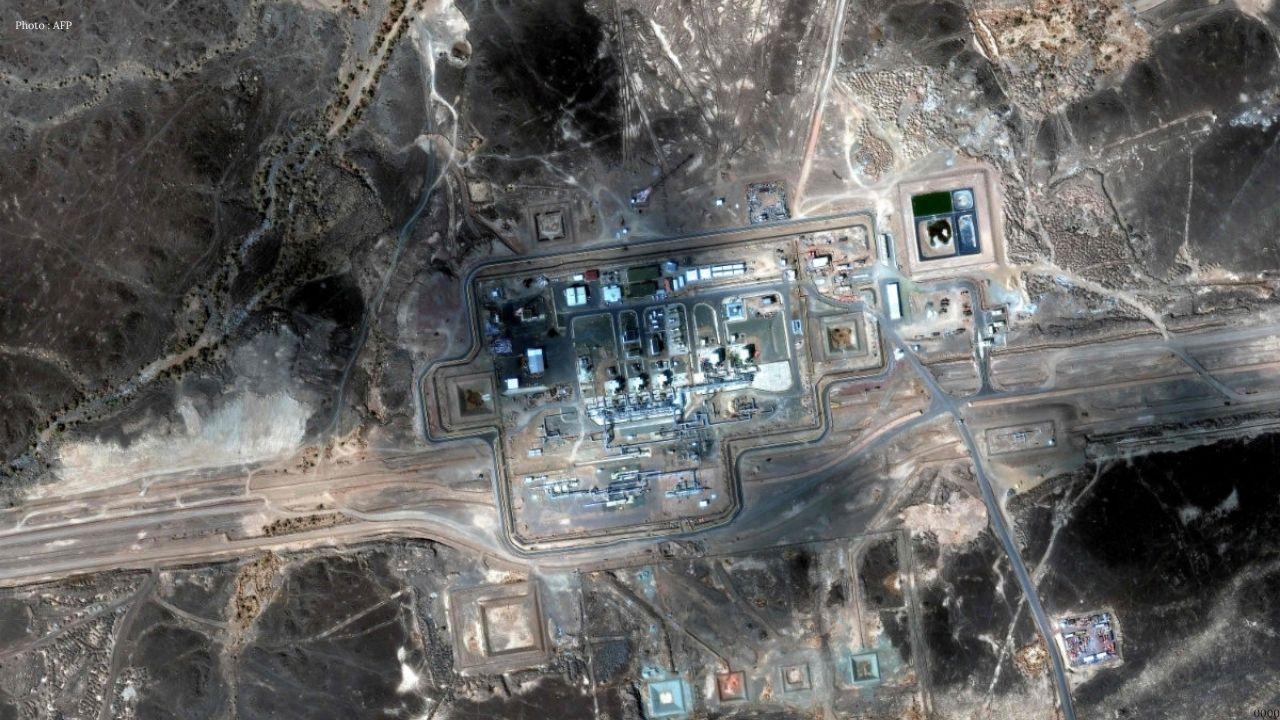
Mina al Fahal stands as one of Oman's primary oil export facilities, positioned near Muscat. It plays a significant role in the country’s crude shipments to international clients, making any stoppage attract attention from energy firms and financial circles globally.
This incident sheds light on the interconnected nature of global energy systems. The modern oil market hinges on a complex web of production sites, pipelines, and ports. Disruptions in one area can swiftly resonate throughout the entire market.
Industry specialists emphasize that the immediate fallout will depend on the scale of the damage and the duration of the shutdown. A quick return to operations might limit supply impact, but an extended halt could further stress energy markets already grappling with geopolitical uncertainties.
The Middle East is a crucial hub for energy production, with numerous economies reliant on oil exports from the Gulf. Events affecting this infrastructure are closely monitored by both governments and businesses.
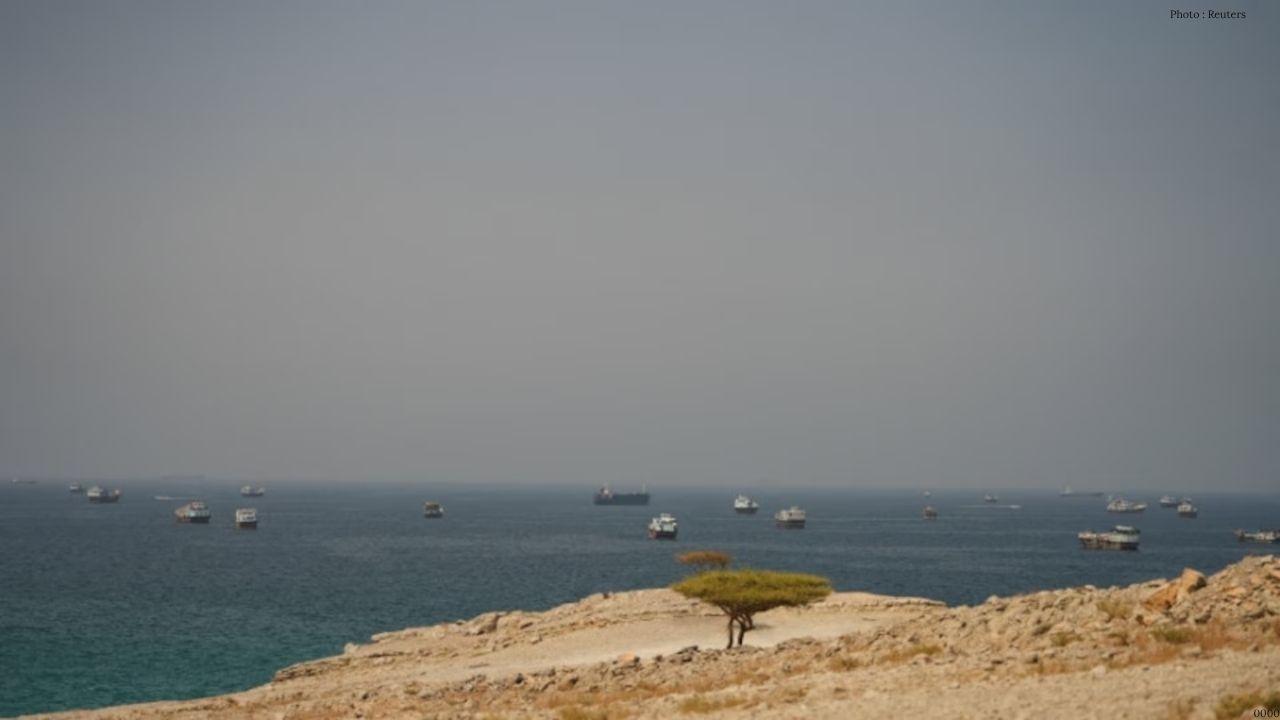
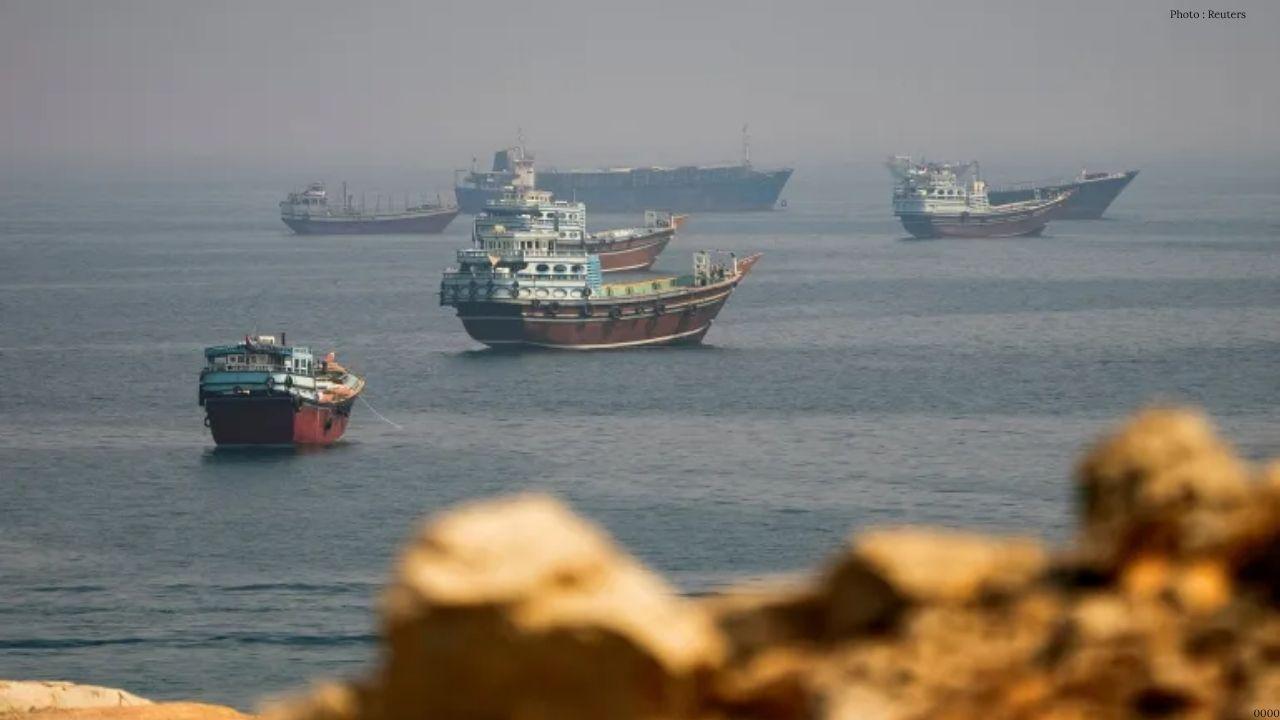
Shipping firms are also keeping a watchful eye on the situation. Export terminals serve as vital links between producers and buyers. Any interruption can hamper schedules, complicate logistics, and potentially delay shipments, yielding significant ripple effects across supply chains.
For Oman, sustaining reliable energy exports is pivotal to its economy. Revenues from oil sales significantly support government finances and development initiatives, making the safety and functionality of export facilities a top priority.
This situation also underscores the complexities involved in managing large-scale industrial structures. Oil terminals require ongoing maintenance and security measures to operate efficiently. Despite stringent regulations, unforeseen incidents can occur, demanding immediate responses.
Market reactions will largely hinge on forthcoming updates from authorities and industry players. Investors favor transparency regarding damage assessments, repair timelines, and implications for export volumes, as it helps alleviate uncertainty.
This incident emerges amidst a backdrop of heightened sensitivity in global energy markets due to geopolitical developments. Existing tensions, security worries, and economic shifts have intensified scrutiny on oil-exporting nations, where any unexpected disruptions attract significant international focus.
Beyond immediate market implications, the event emphasizes the necessity for robust infrastructure. Nations reliant on energy exports must consistently invest in safety measures and crisis management strategies to mitigate risks and ensure operational continuity.
Government entities and industry representatives will continue to investigate the explosion's cause while striving to restore normalcy as safely as possible. Insights from this investigation may pave the way for enhanced safety protocols to prevent future incidents.
The suspension of oil loading operations at Mina al Fahal reinforces the pivotal role such terminals play in the global energy landscape. Although the full implications of the explosion are yet to unfold, it has already accentuated the criticality of infrastructure security and effective crisis management in the energy sector.
As investigations proceed and information becomes available, global markets will maintain vigilant oversight. The pace at which operations can safely recommence will likely shape the long-term economic ramifications. For now, Oman’s efforts to navigate this disruption remain in the spotlight while sustaining confidence in its energy sector.


 English