Post by : Bianca
Haleem
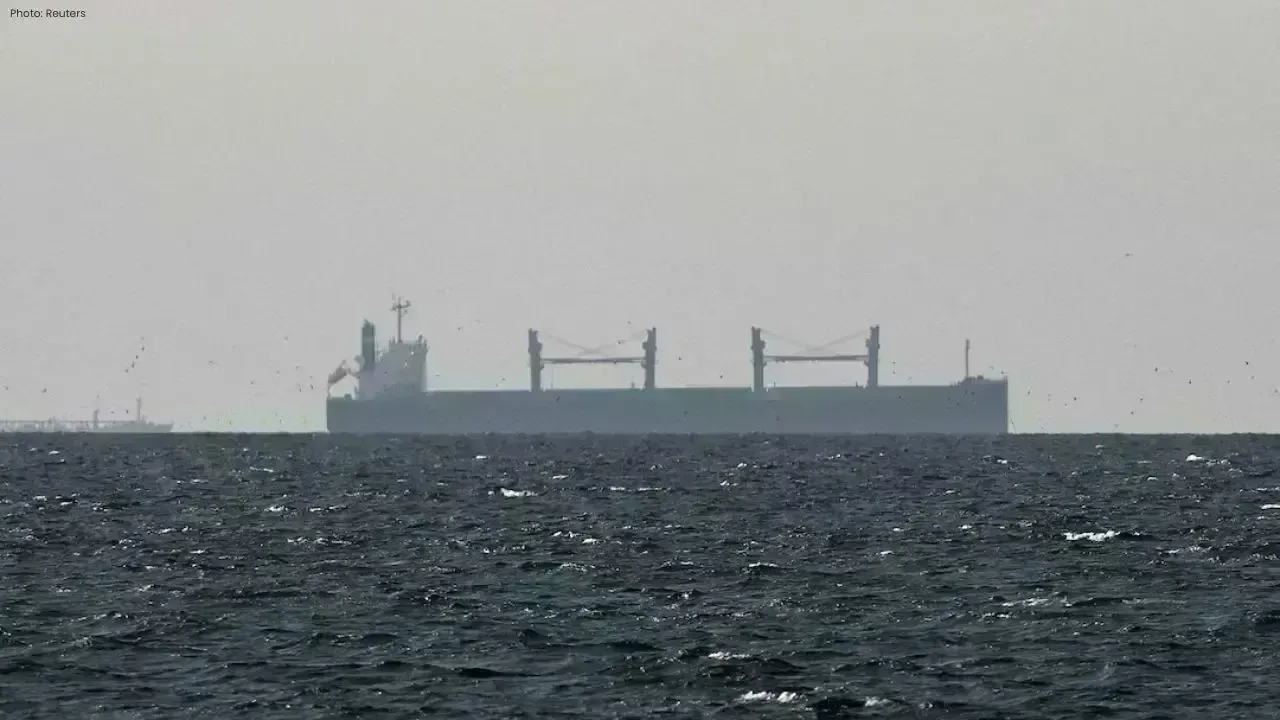
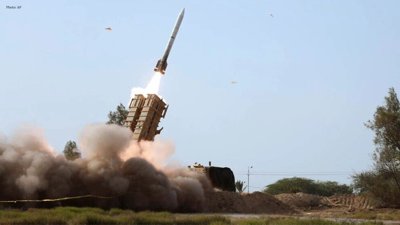
On Thursday, over 40 nations allied with the United States held a significant virtual conference aimed at addressing the deepening crisis in the Strait of Hormuz, a key artery for global energy trade, which has been affected by rising tensions with Iran.
Chairing the meeting was the United Kingdom, with participation from various countries across Europe, the Middle East, Asia, alongside Australia and Canada. The central discussion revolved around pursuing diplomatic initiatives with Tehran and contemplating cooperative sanctions should Iran not enable the reopening of this crucial maritime route.
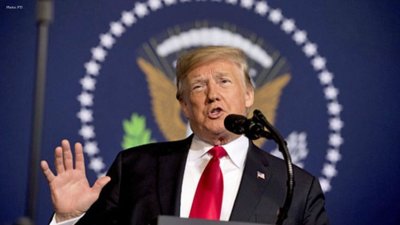
The meeting underscored increasing global alarm regarding the ramifications of the conflict, particularly given the unpredictability surrounding US President Donald Trump’s forthcoming actions. Nations took turns voicing concerns that the US might choose to step back without establishing a definitive strategy to ensure safe navigation through the strait.
Allied participants asserted that any ceasefire dialogues with Iran should encompass a clear approach to restoring access to the Hormuz passage, vital for global oil transportation. Nevertheless, the gathering also signalled the potential necessity for allied countries to pursue independent measures in the event of diminishing US engagement.
This meeting occurs against a backdrop of increasing friction between the US and NATO allies, spurred by Trump’s critiques over their hesitance to send military resources to the region. It also revealed a readiness among European nations, particularly the UK and France, to play a role in stabilizing the region.
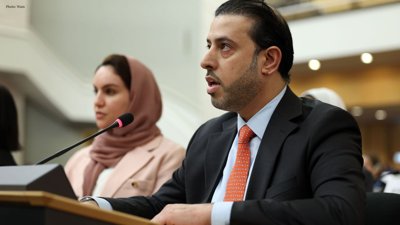
Japan, represented by Foreign Minister Toshimitsu Motegi, was instrumental during talks, advocating for global collaboration to create secure maritime channels for vessels beleaguered in the Persian Gulf. He stressed the need for stable energy supplies worldwide.
Looking forward, next week will see military strategists from involved nations convening to assess potential naval deployments, including de-mining operations post-conflict. However, there remains a reluctance to employ military action to reopen the strait, as most countries contend that a lasting resolution hinges on cooperation from Iran.
The discussion also pinpointed the United Nations' pivotal role in steering diplomatic conversation, with nations agreeing to collaborate with Gulf partners to guarantee freedom of navigation and avert the installation of any Iranian toll system that could create a worrying precedent globally.
Additionally, participants examined economic strategies, such as targeted sanctions, intended to prevent Iran from profiting during the ongoing disruptions of one of the world’s essential shipping arteries.


 English