Post by : Saif
Al-Najjar
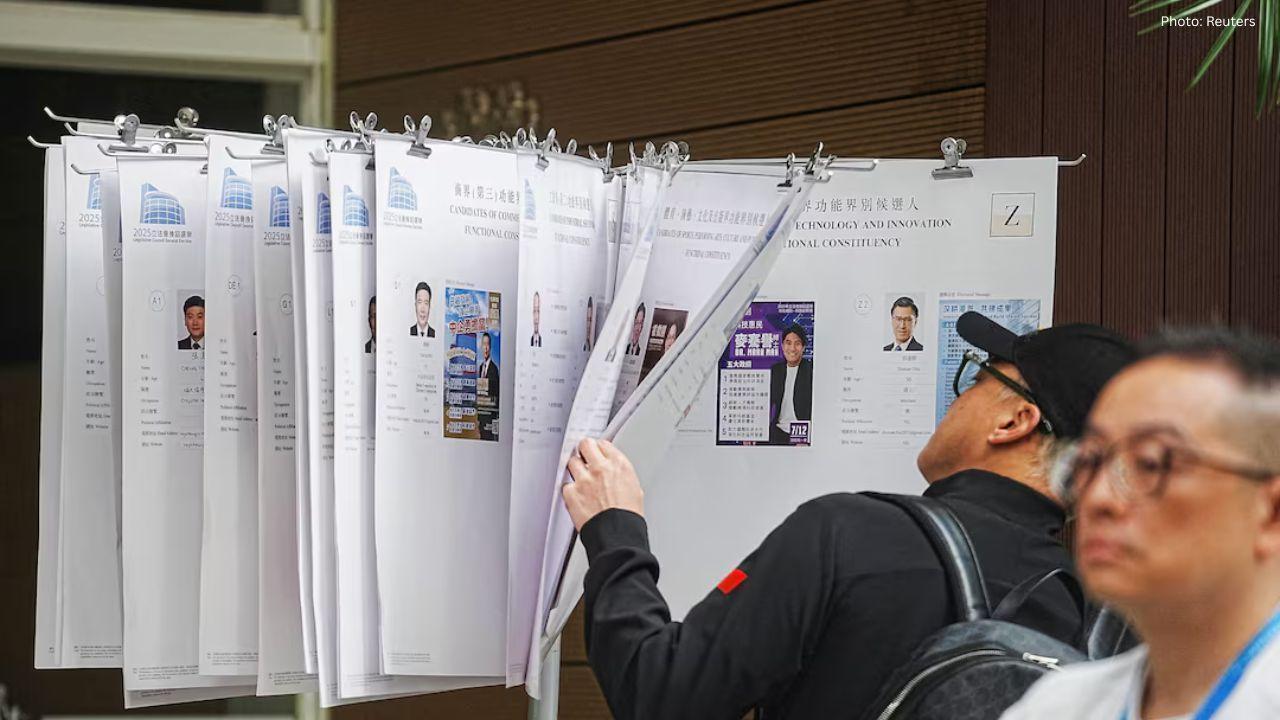
The recent legislative elections in Hong Kong have highlighted a significant decline in public trust, with voter turnout dropping to near record lows following the city’s most devastating fire in nearly eight decades. Grief, anger, and fear overshadowed political discussions after the tragedy, which resulted in the deaths of at least 159 individuals.
This election recorded a turnout of just 31.9%, marginally higher than the previous event in 2021, yet the actual number of voters decreased from four years prior. This indicates that while the turnout percentage saw a slight increase, fewer citizens were genuinely motivated to participate. Many opted to abstain from voting, driven not by apathy but by feelings of disappointment and mistrust.
A significant factor contributing to this disenchantment is the election framework itself. Out of the 90 legislative seats, a mere 20 were elected directly by the public, while the remaining positions are filled by an electoral committee predominantly consisting of individuals loyal to Beijing or those connected to powerful interest groups. Only candidates deemed as “patriots” were permitted to run, effectively silencing voices advocating for greater democracy.
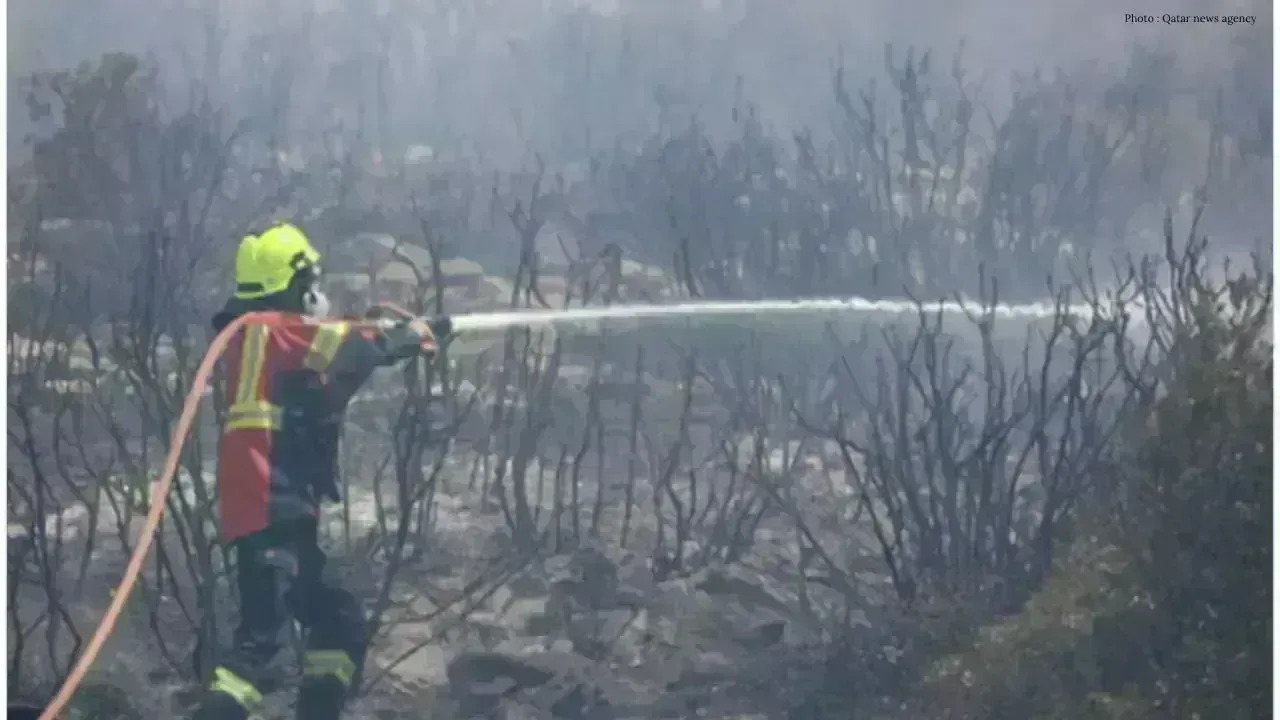
The catastrophic fire that erupted on November 26 fundamentally altered the public mood. Flames consumed seven residential towers in Tai Po, with firefighting efforts taking nearly two days to contain, leaving many families devastated. Authorities later disclosed that substandard construction materials used during renovations contributed to the rapid spread of the fire.
For numerous residents, this incident transcended being a mere accident; it represented a failure in governmental oversight. Questions arose regarding the negligence in adhering to safety protocols and why inspections failed to identify the hazards sooner. Cheng, a local resident in his late 70s, expressed his silent protest by choosing not to vote, stating he was profoundly troubled and could not endorse politicians who failed to safeguard lives.
Instead of allowing the public to mourn, the authorities' actions heightened tensions. There was a visible police presence in the affected locales, and floral tributes by grieving residents were removed from nearby parks during the night. Many interpreted this move as an effort to suppress public sentiment rather than honor it.
In tandem, arrests were made, including four individuals for allegedly promoting a vote boycott online. Another person was apprehended for a similar social media post. Under revised laws, advocating a vote boycott is now a punishable offense. Such measures have led numerous citizens to feel that fear, rather than trust, is being deployed to manage public reactions.
Chief Executive John Lee has pledged to advance reforms and enhance construction safety. Authorities announced the initiation of criminal and corruption investigations to determine accountability for the disaster. Although these commitments sound resolute, many residents remain skeptical, hopeful for genuine accountability rather than mere rhetoric.
This election and the tragic event have emerged as pivotal challenges for Beijing's governance over Hong Kong. Following the mass protests of 2019, stringent national security laws were instituted, reshaping the city’s governance and electoral processes. Pro-democracy voices have largely been sidelined within the political arena, causing many to feel they lack a genuine platform.
The declining number of registered voters also narrates a poignant story. Each year since 2021 has seen a gradual decrease in voter registrations, a quiet indication of frustration and a waning sense of hope.
Democracy encompasses more than just casting a vote; it involves feeling acknowledged, secure, and confident that leaders prioritize the well-being of citizens. When trust is undermined, elections transform into hollow rituals devoid of genuine choice.
Hong Kong finds itself at a critical juncture in its history. True healing will not emerge from arrests or stringent controls, but through honesty, transparency, and a respectful acknowledgment of the public's grief and voice.


 English